

Over 6 million US children have ADHD, and finding the right ADHD treatment options can feel overwhelming. Medications like stimulants and non-stimulants help manage symptoms, but they come with trade-offs. Behavioral strategies offer non-drug approaches that build lifelong skills. Let's break down what works, what doesn't, and how to combine them effectively.
How Stimulant Medications Work for ADHD
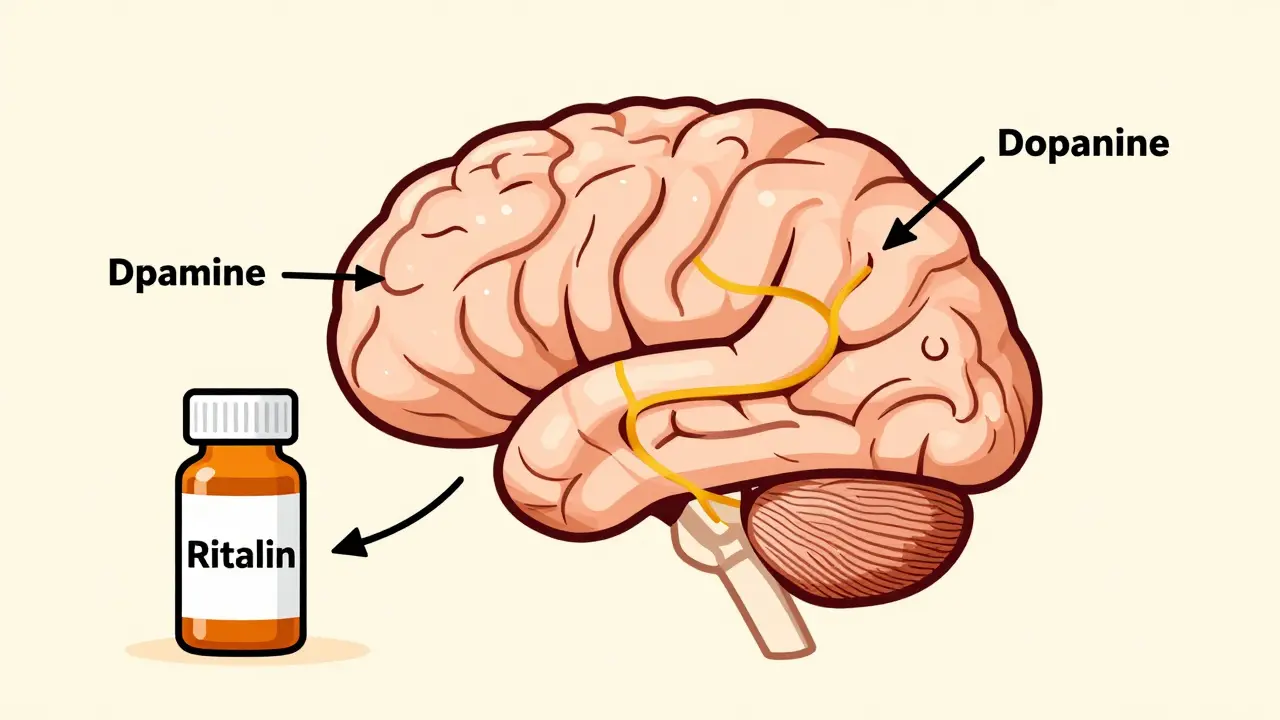
Stimulants are the most commonly prescribed ADHD medications. They work by increasing dopamine and norepinephrine in the brain, which helps improve focus and control impulses. Two main types exist: methylphenidate-based drugs like Ritalin and Concerta, and amphetamine-based drugs like Adderall and Vyvanse.
Studies show about 70-80% of children respond well to stimulants. The MTA Cooperative Group study found that stimulants significantly improve attention and reduce hyperactivity. However, side effects like appetite loss (affecting 50-60% of users) and sleep problems (30-50%) are common. Doctors usually start with a low dose and gradually increase it to find the right balance.
Common Stimulant Medications and Side Effects
Methylphenidate products include immediate-release Ritalin (works 3-4 hours) and extended-release Concerta (10-12 hours). Amphetamine-based drugs like Adderall last 4-6 hours, while Vyvanse (a prodrug) provides 10-12 hours of steady effect. Extended-release formulations improve adherence by reducing dosing frequency.
Side effects vary by individual. Appetite suppression is the most common, reported in 50-60% of children. Sleep onset delays affect 30-50% of users. Headaches (15-25%) and stomachaches (10-20%) also occur. A 2023 FDA review confirmed cardiovascular risks like increased heart rate (5-10% of users) and blood pressure changes (2-5%), requiring regular monitoring. Generic methylphenidate costs $15-$25 monthly, while brand-name extended-release versions range from $250-$400 without insurance.
Non-Stimulant Alternatives: When and Why
Non-stimulants like atomoxetine (Strattera), guanfacine (Intuniv), and clonidine (Kapvay) offer alternatives for those who can't tolerate stimulants. They work differently: atomoxetine blocks norepinephrine reuptake, while guanfacine and clonidine modulate brain signals through alpha-2 receptors.
Non-stimulants have slower onset (4-6 weeks for full effect) but fewer cardiovascular risks. They're preferred for patients with tics, substance abuse history, or anxiety. Atomoxetine shows 50-60% symptom improvement, lower than stimulants' 70-80% response rate. However, it avoids abuse potential and has better long-term safety profiles. Guanfacine XR reduces impulsivity and emotional outbursts in 45% of children with ADHD and oppositional behavior, per 2023 clinical data.
Behavioral Strategies That Actually Work
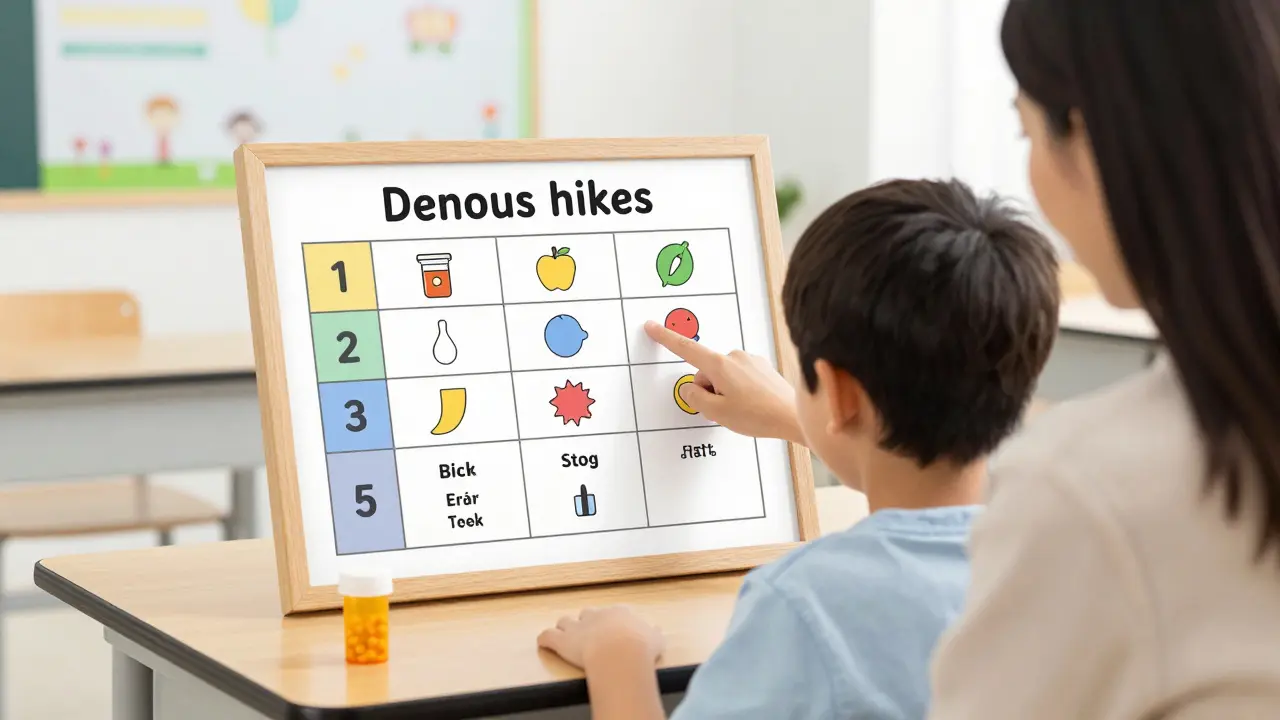
Behavioral strategies build skills beyond medication. The New Forest Parenting Programme teaches parents structured routines, clear rewards, and consistent consequences. Studies show it improves parent-rated symptoms by 40-50% when done consistently for 12-16 weekly sessions. School accommodations like preferential seating, extra time on tests, and visual schedules also help.
For adults, cognitive behavioral therapy (CBT) addresses executive function challenges. Techniques include breaking tasks into small steps, using timers for focus, and organizing workspaces. A 2023 Child Mind Institute survey found 68% of adults using CBT reported better daily functioning. Digital tools like focus apps and digital planners also support structure without medication.
Combining Treatments for Best Results
Research consistently shows combination treatment works best. The MTA Cooperative Group study found medication plus behavioral therapy outperformed either alone in academic performance, social skills, and family relationships. For children, starting with a low-dose stimulant and adding parent training creates immediate symptom relief while building long-term coping skills.
Adults benefit from medication paired with ADHD coaching. A 2024 American Academy of Pediatrics guideline update recommends this approach for all age groups. Timing matters too: take medication 30-60 minutes before school/work, and schedule behavioral strategy practice during medication's peak effect. Consistency is key-missing doses or skipping therapy sessions reduces effectiveness.
Managing Side Effects: Practical Tips
Appetite suppression is common with stimulants. Eat high-protein breakfasts before taking medication, and schedule meals after the medication wears off. For sleep issues, avoid late doses and try a calming bedtime routine. If side effects persist, talk to your doctor about switching formulations-extended-release versions often reduce side effects compared to immediate-release.
For growth concerns, the CDC recommends height and weight checks every 6 months. Temporary growth delays occur in 30% of children during the first year but typically normalize by year 3. Non-stimulants like guanfacine have lower appetite risks (7% vs. 38% in stimulants), making them better for young children with eating challenges.
What's New in ADHD Treatment
In 2023, the FDA approved AZSTARYS, a novel prodrug that reduces misuse potential while maintaining 13-hour efficacy. New research also shows pharmacogenetic testing can predict medication response-Genomind's test identifies 65% of non-responders based on genetic markers. The National Institute of Mental Health is funding $47 million for digital therapies like VR-based cognitive training, which shows promise for children who don't respond to traditional treatments.
Do stimulants work for everyone with ADHD?
No, about 20-30% of people don't respond well to stimulants or experience severe side effects. If stimulants aren't working, non-stimulant options like atomoxetine or behavioral therapy may be better. Genetic testing can now help predict who will respond to specific medications, reducing trial-and-error.
Can you take non-stimulants and stimulants together?
Yes, sometimes doctors prescribe both for complex cases. For example, a stimulant might address core attention issues while a non-stimulant like guanfacine helps with emotional regulation. This combination requires careful monitoring but can be effective when single treatments fail.
How long before behavioral strategies show results?
Behavioral strategies take consistent practice. Parent training programs like the New Forest Parenting Programme show symptom improvement in 4-6 weeks with weekly sessions. For adults, CBT techniques often take 8-12 weeks to build new habits. Unlike medication, these strategies build lifelong skills but require ongoing effort.
Are there natural alternatives to ADHD medication?
No proven natural alternatives replace medication for moderate to severe ADHD. While omega-3 supplements or mindfulness may help mild symptoms, research shows they're not sufficient alone. The American Academy of Pediatrics emphasizes evidence-based treatments-medication and behavioral therapy-over unproven supplements.
What should I ask my doctor about ADHD meds?
Ask about: 1) Why they recommend a specific medication for you, 2) Expected side effects and how to manage them, 3) How often to check in for monitoring, 4) Whether behavioral therapy could complement medication, and 5) How to adjust doses if symptoms change. Always discuss concerns openly-your doctor needs accurate information to tailor treatment.





February 6, 2026 AT 11:24
Stimulants are overprescribed. Non-stimulants like Strattera are safer for long-term use. No data on long-term effects of stimulants on growth. The FDA should regulate them more strictly.