Every year, thousands of people find themselves in a situation where their body suddenly reacts violently to something they thought was safe. Sometimes this happens after eating peanuts, but often it comes from medicine intended to help them get better. When your body turns against a medication like penicillin or a contrast dye, the result can be medication-induced anaphylaxis, defined as a severe, life-threatening systemic allergic reaction characterized by sudden onset and rapid progression of airway, breathing, and circulation problems. While many people associate allergies with hives and sneezing, this specific type of reaction threatens your airway and blood pressure within minutes.
If you have ever wondered why doctors stress that seconds count, look at the data. According to the latest guidelines from the Resuscitation Council UK, medication triggers account for roughly 20-30% of all anaphylaxis cases in hospitals. What makes this different from a mild rash is speed. A study published in the Journal of Emergency Medicine notes that skin symptoms are actually absent in 10-20% of these severe cases. If you rely solely on looking for a rash, you might miss the warning signs until it is too late. Your priority isn't just treating the itch; it is stopping your heart from stopping.
Recognizing the Warning Signs
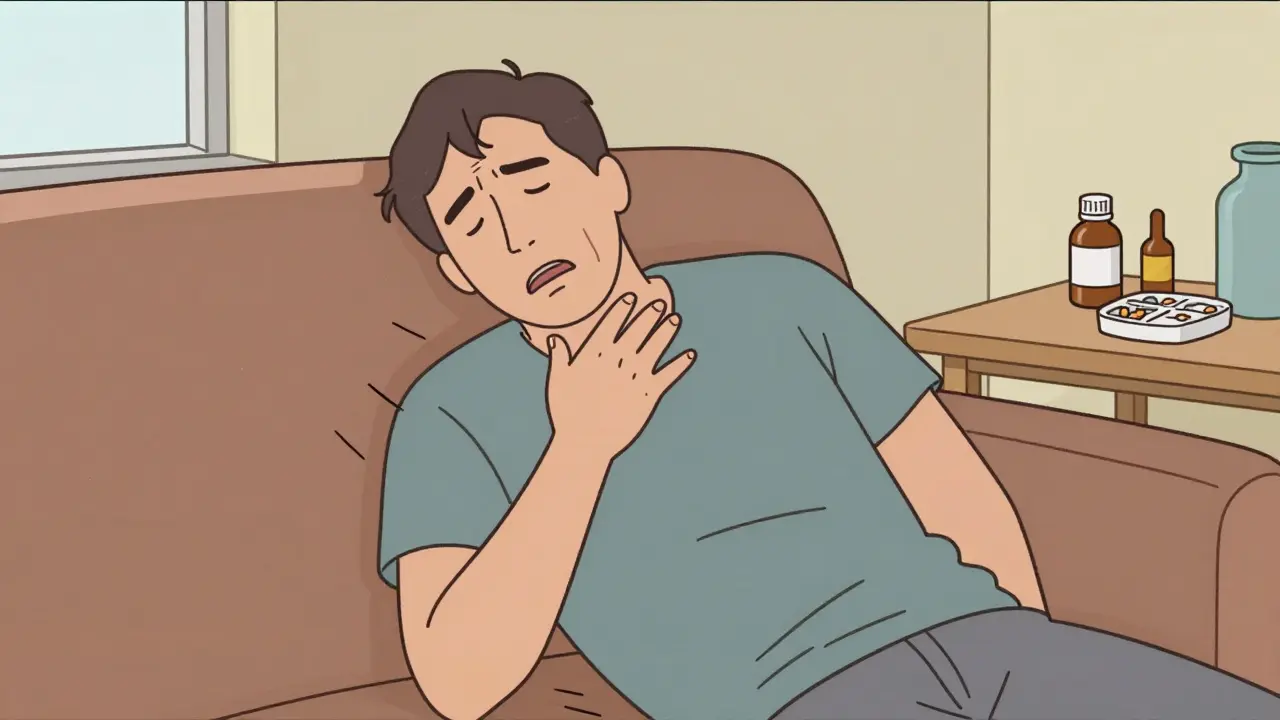
You cannot treat what you do not recognize. In many scenarios, the body gives off specific signals before total collapse occurs. The ASCIA First Aid Plan, updated in 2025, highlights that respiratory issues appear in 89% of cases. You should stop immediately and call for help if you notice difficulty or noisy breathing. This isn't just a stuffy nose; it sounds like wheezing, stridor, or persistent coughing. Swelling of the tongue is another massive red flag, appearing in 76% of documented cases. If someone can barely talk or has a hoarse voice, their throat is tightening shut.
Beyond breathing, watch the skin and the eyes. Pale appearance is common in children during these events. However, do not wait for two systems to fail before acting. If a person complains of persistent dizziness or feels like they are going to collapse, that is enough. Circulatory shock is silent until the pressure drops. Statistics show that 82% of patients experience throat tightness, while 68% develop wheeze. Knowing these numbers helps you understand that waiting for a full checklist of symptoms wastes vital time.
The Golden Five Minutes
Time is the enemy here. The core principle of emergency care established by major organizations like the American Heart Association and the Resuscitation Council UK is clear: administer adrenaline within five minutes of recognition. Why five minutes? Because beyond this window, the risk of cardiovascular collapse rises sharply. Research from the Cleveland Clinic confirms that early administration reverses symptoms, but hesitating allows the reaction to cascade. Many people fear giving medication because they worry about side effects, but the data shows that out of 35,000 documented administrations, significant cardiac adverse events occurred in only 0.03% of cases. The risk of death outweighs the risk of tachycardia.
When you decide to act, your sequence matters. Lay the patient flat immediately. This is non-negotiable. Standing or sitting upright during an anaphylactic reaction restricts blood flow to the heart, leading to collapse in 15-20% of cases. For pregnant women, position them on their left side to improve blood return to the heart. For unconscious patients, place them in the recovery position. Only sit the patient up if they cannot breathe otherwise, like when they are struggling severely with airway obstruction. Even then, keep their legs outstretched.
| Symptom Category | Signs to Watch For | Prevalence |
|---|---|---|
| Breathing | Noisy breathing, wheeze, hoarse voice | 89% |
| Tongue/Throat | Swollen tongue, throat tightness | 76% | Circulation | Dizziness, collapse, pale appearance | 49% |
| Skin | Rash, flushing, itching | Absent in 10-20% |
Administering the Auto-Injector
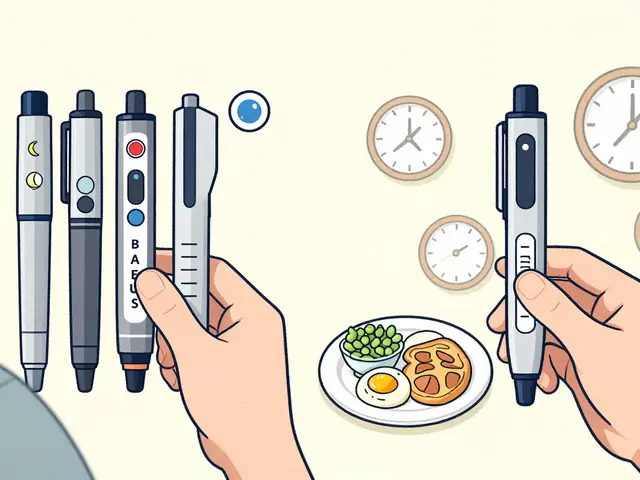
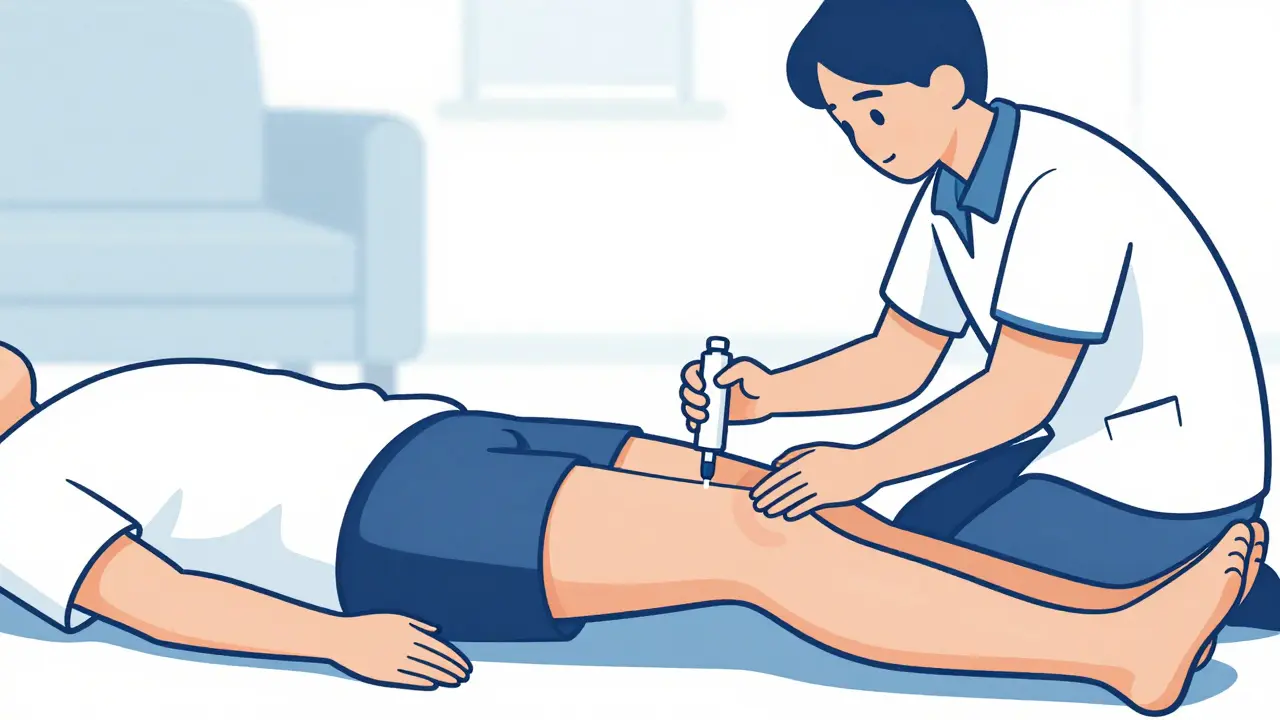
Once you have identified the need for treatment, you need the right tool. Most homes carry devices like EpiPens, Auvi-Qs, or Adrenaclicks. These deliver intramuscular epinephrine into the anterolateral thigh. The muscle mass there ensures the drug enters the bloodstream quickly. Do not inject into the buttocks or subcutaneous fat; studies show 18% of errors happen when people hit the wrong tissue layer. The dosage depends on weight: 0.3 mg for adults and children over 30 kg, and 0.15 mg for smaller children weighing 15-30 kg.
Technique saves lives. Push firmly against the middle of the outer thigh. Hold it there. Many users flick the device away too soon. You must hold the injector in place for a full 10 seconds to ensure the full dose is delivered. Afterward, massage the area briefly if the instructions say so, but focus on calling emergency services next. The effect of the drug lasts about 10-20 minutes. Because the medication wears off faster than the allergic reaction does, you might need a second dose.
If symptoms persist after five minutes, give a second shot. Guidelines from FAACT suggest repeating doses every 10 minutes if necessary. Do not hesitate. Dr. Robert Wood of Johns Hopkins University emphasizes that 70% of fatal cases involve delayed or missing epinephrine. In refractory cases, where two doses don't work, professionals may need IV fluids or infusions, but you shouldn't try that at home. Just get the ambulance on the line.
What Happens in the Hospital?
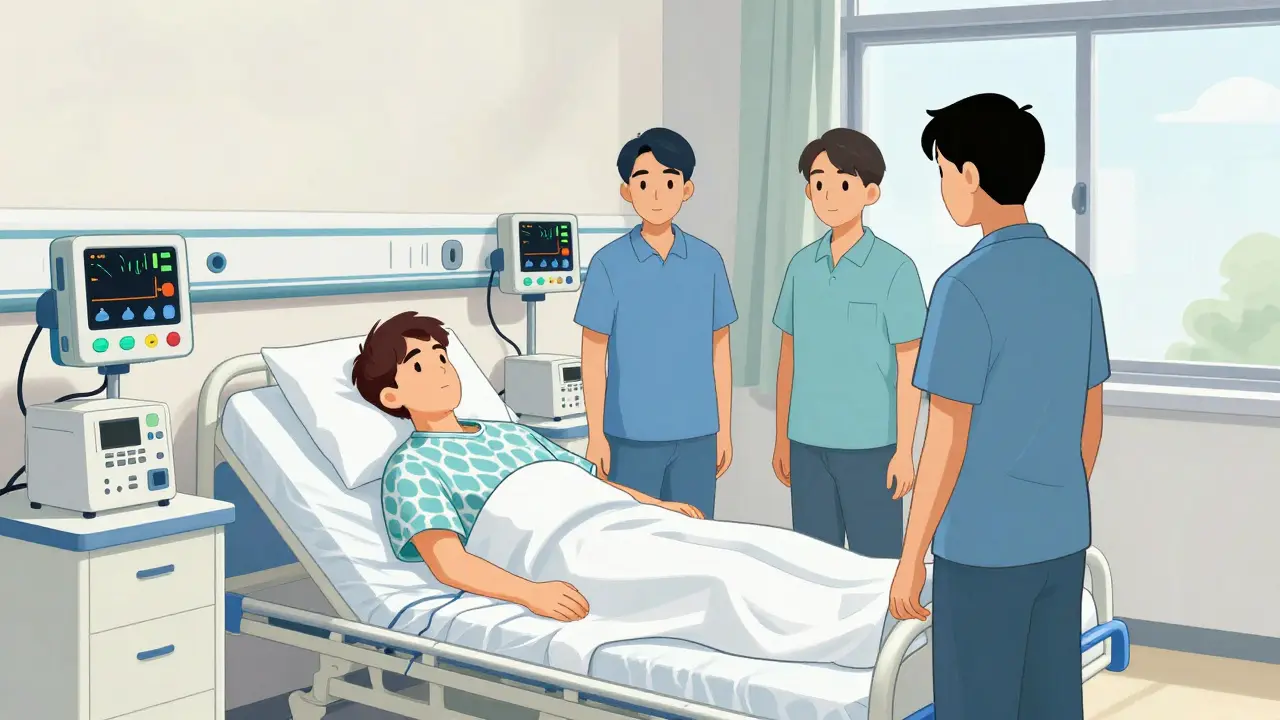
Once the ambulance arrives, the patient goes to a hospital for observation. Why stay overnight or even for several hours? The danger doesn't always stop after the adrenaline kicks in. Up to 20% of patients experience a "biphasic reaction." This means symptoms return 1 to 72 hours after the initial episode seemed resolved. Medical standards require a minimum observation period of 4 hours. Some high-risk groups, especially those with medication-induced reactions, may need 6 to 8 hours of monitoring according to 2024 draft guidelines.
In the hospital setting, doctors will manage fluid resuscitation. They often administer 1-2 liters of normal saline rapidly to support blood pressure. They also monitor for complications like bronchospasm. Unlike outpatient care, they have access to advanced airway management if the throat swells completely. This level of care is why self-treatment at home ends with a trip to the ER. You treat to buy time; the hospital stabilizes the outcome.
Common Mistakes to Avoid
People often fall into traps during panic. One major error is relying on antihistamines like Benadryl as the first defense. While these drugs treat skin rashes and itching, they do nothing for airway swelling or low blood pressure. A 2022 article notes that using antihistamines alone showed no improvement in mortality rates. Corticosteroids are another debated treatment; current guidelines suggest they are ineffective for routine acute management and should not delay adrenaline.
Another pitfall involves certain medications. If a patient takes beta-blockers, standard adrenaline doses might not work well. These heart medications block the adrenaline receptor sites. In these specific cases, patients might require higher doses or alternative treatments like glucagon. Always tell the paramedic if the person is on heart medication. Additionally, avoid letting patients stand up to "walk off" the reaction. Posture changes trigger fainting and collapse in vulnerable patients.
Preparation for the Future
If you survive an episode, prevention becomes the new goal. Identifying the culprit drug is crucial. Common offenders include antibiotics like penicillins, NSAIDs like ibuprofen, and radiocontrast dyes used in CT scans. Ask your doctor about testing to confirm the allergen. Carry your auto-injector everywhere. Donations surveys show 68% of allergic patients carry them, but only 41% feel confident using them. Practice checking the expiration date every month.
Educating family members is also vital. In 35% of preventable deaths between 2015-2020, hesitation played a role. Make sure everyone around you knows what your plan is. Keep an Anaphylaxis Action Plan on the fridge or in your wallet. This preparation transforms a terrifying event into a manageable process. Remember, if you are in doubt, give the adrenaline. The safety margin of the drug is wide, and the cost of waiting is high.
Frequently Asked Questions
Can antihistamines cure anaphylaxis?
No. Antihistamines like diphenhydramine treat skin symptoms such as hives or itching but do not reverse life-threatening airway swelling or low blood pressure. They should never replace epinephrine in an emergency.
Where exactly should I inject epinephrine?
Inject into the anterolateral aspect of the mid-thigh (the outer thigh). Never inject into buttock fat or veins. Ensure firm contact and hold for 10 seconds.
Why is laying the patient flat important?
Standing or sitting upright reduces blood flow back to the heart, which can cause cardiovascular collapse. Laying flat keeps blood pressure stable unless breathing difficulties dictate otherwise.
How long do I need to stay at the hospital?
You typically need a minimum of 4 hours of observation due to the risk of biphasic reactions, where symptoms return later. High-risk patients may stay longer, up to 6-8 hours.
Does taking beta-blockers affect adrenaline shots?
Yes. Beta-blockers can reduce the effectiveness of epinephrine. These patients might need higher doses or additional treatment options. Inform medical staff immediately.