
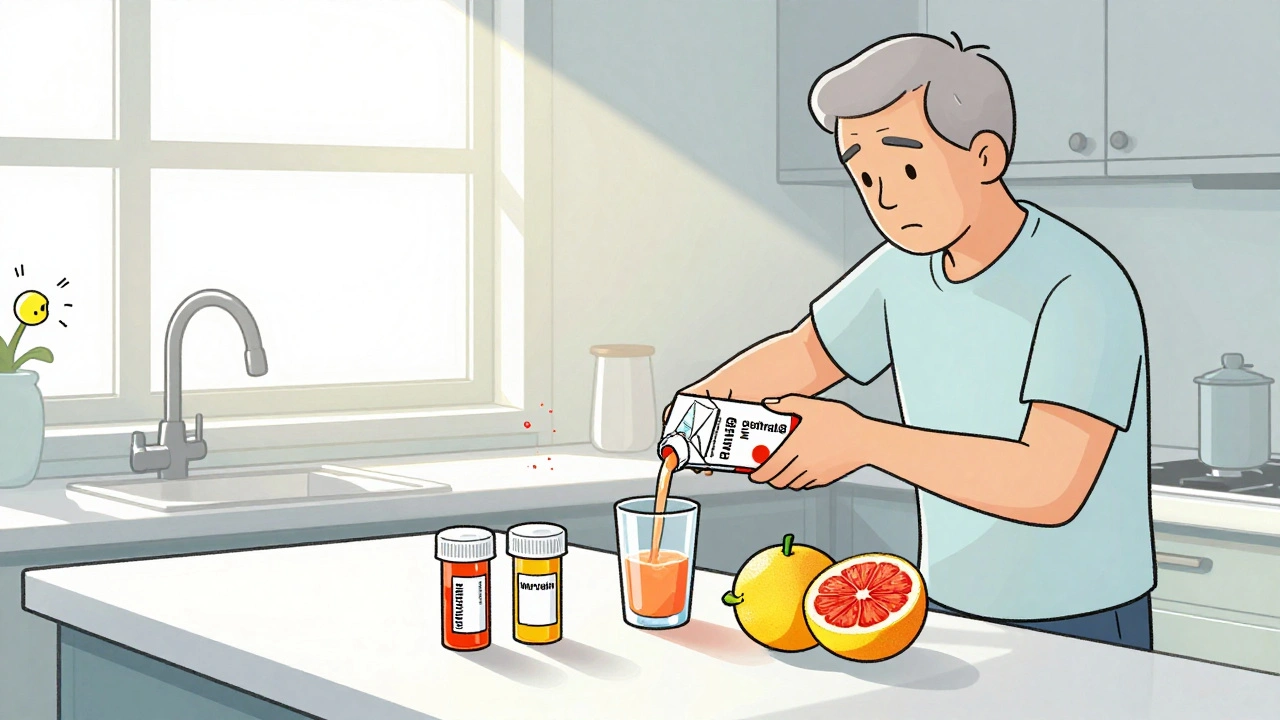
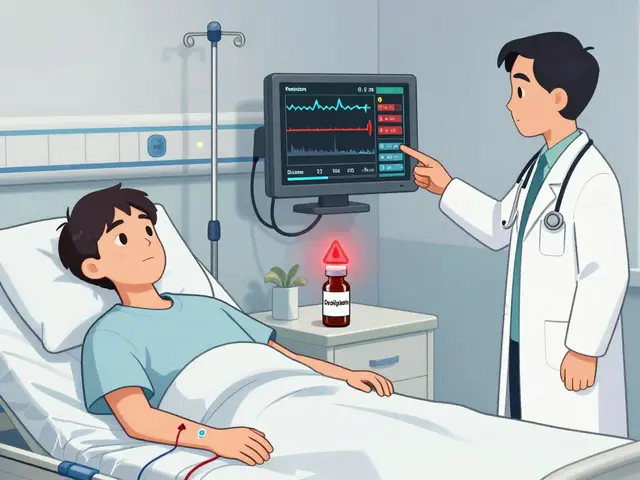
Every morning, millions of people reach for a glass of grapefruit juice with their breakfast. It’s fresh, tangy, and packed with vitamin C. But if you’re taking warfarin or an SSRI, that habit could be riskier than you think. The problem isn’t the juice itself-it’s what happens inside your body when grapefruit meets certain medications. The CYP450 enzyme system, responsible for breaking down nearly three-quarters of all prescription drugs, can be quietly shut down by compounds in grapefruit. And when that happens, your medication doesn’t just work better-it can work too well, leading to dangerous side effects.
How Grapefruit Disrupts Your Medications
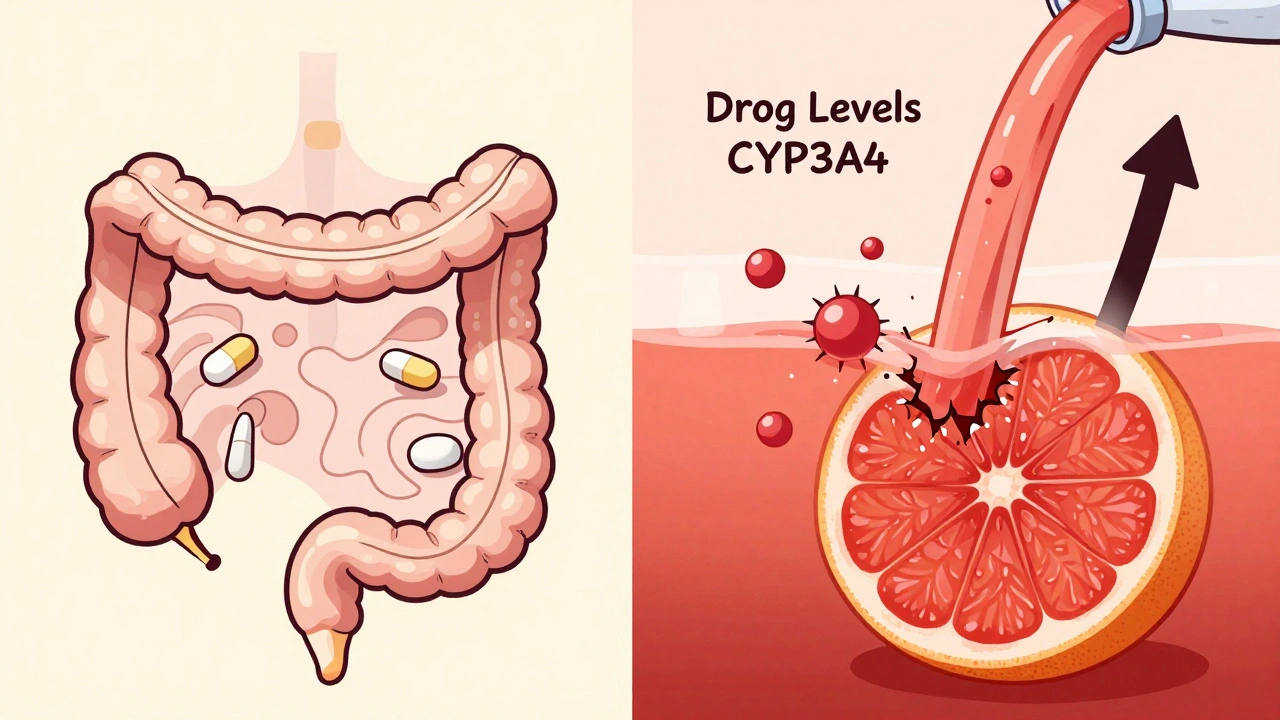
Grapefruit doesn’t just interfere with drugs-it breaks them. The culprit? Furanocoumarins, especially bergamottin and DHB. These natural chemicals in grapefruit don’t just block the CYP3A4 enzyme in your gut; they destroy it. Unlike other inhibitors that temporarily compete for space, furanocoumarins permanently disable CYP3A4 by binding to its active site. Your body doesn’t just pause metabolism-it has to build new enzymes from scratch, which takes days.
That’s why timing doesn’t help. Drinking grapefruit juice at night and taking your pill in the morning? Still risky. A single 8-ounce glass can knock down CYP3A4 activity by nearly half-and the effect lasts 24 to 72 hours. The inhibition is strongest in the intestines, where drugs first enter your bloodstream. If CYP3A4 isn’t there to break them down, more of the drug floods into your system. For drugs with a narrow safety window, that’s a recipe for overdose.
Warfarin and Grapefruit: A Quiet Danger
Warfarin is one of the most common drugs linked to grapefruit interactions. It’s a blood thinner used by over a million Americans, and it’s unforgiving. Too little, and you risk clots. Too much, and you could bleed internally. Its metabolism depends mostly on CYP2C9 (80-90%), but CYP3A4 also plays a role (10-20%).
Early studies showed grapefruit juice could inhibit CYP2C9 in lab settings. But real-world results are mixed. Some patients see their INR spike after drinking grapefruit juice. Others don’t. Why? Because warfarin’s effect isn’t just about enzymes-it’s also tied to your genes. People with CYP2C9*2 or *3 variants metabolize warfarin slowly to begin with. Add grapefruit, and the risk of bleeding rises sharply.
According to the Clinical Pharmacogenetics Implementation Consortium (CPIC), patients with these genetic variants should avoid grapefruit entirely. Even if you don’t know your genotype, if you’ve had unexplained INR spikes before, grapefruit is a likely trigger. A 2023 Mayo Clinic report found that 32% of warfarin users who accidentally consumed grapefruit reported abnormal INR levels-enough to require emergency care in some cases.
SSRIs and Grapefruit: The Misunderstood Risk
SSRIs are different. Not all of them interact with grapefruit the same way. Fluoxetine and paroxetine are mostly broken down by CYP2D6. Grapefruit has minimal effect on this enzyme, so these drugs are low risk. But sertraline? That’s another story. It’s metabolized by CYP2C9, CYP2C19, and CYP3A4. That last one-CYP3A4-is exactly what grapefruit shuts down.
A 2015 case series found that people taking sertraline who drank grapefruit juice daily saw their blood levels rise by 27-39%. That’s not just a lab curiosity-it can mean more nausea, dizziness, drowsiness, or even serotonin syndrome. Citalopram and escitalopram also rely partly on CYP3A4, but newer studies show escitalopram is less affected. A March 2024 clinical trial with 24 healthy volunteers found no significant change in escitalopram levels after grapefruit juice consumption.
Still, the American Psychiatric Association’s 2022 guidelines say grapefruit avoidance is only necessary for sertraline in high-risk patients. That’s because most people don’t drink enough grapefruit juice daily to cause trouble. But if you’re elderly, taking multiple medications, or have liver issues, even small amounts can tip the balance.
Who’s Most at Risk?
Not everyone who drinks grapefruit juice needs to panic. But some groups should be extra careful:
- People over 65-liver and kidney function decline with age, slowing drug clearance
- Those taking multiple medications-each one adds another layer of metabolic stress
- Patients with CYP2C9 or CYP3A4 genetic variants-these affect how fast or slow your body processes drugs
- People on warfarin with unexplained INR changes-grapefruit might be the hidden cause
- Anyone taking sertraline and drinking grapefruit juice daily-this combo has real clinical evidence behind it
And here’s the twist: grapefruit isn’t the only offender. Seville oranges, pomelos, and some hybrid citrus like ‘Oroblanco’ and ‘Sweetie’ have even higher levels of furanocoumarins. A 2023 FDA warning specifically flagged these varieties as posing up to 300% greater interaction risk than regular grapefruit.
What Should You Do?
Don’t stop your meds. Don’t panic. But do take action.
If you’re on warfarin:
- Ask your doctor if you’ve been tested for CYP2C9 variants. The test costs $250-$400 and can give you a clear answer.
- If you haven’t been tested, assume you might be sensitive. Avoid grapefruit and related citrus entirely.
- Keep a log of your INR readings. If you notice unexplained spikes after eating citrus, stop grapefruit and retest.
If you’re on an SSRI:
- Check which one you’re taking. Fluoxetine? Paroxetine? Low risk. Sertraline? Proceed with caution.
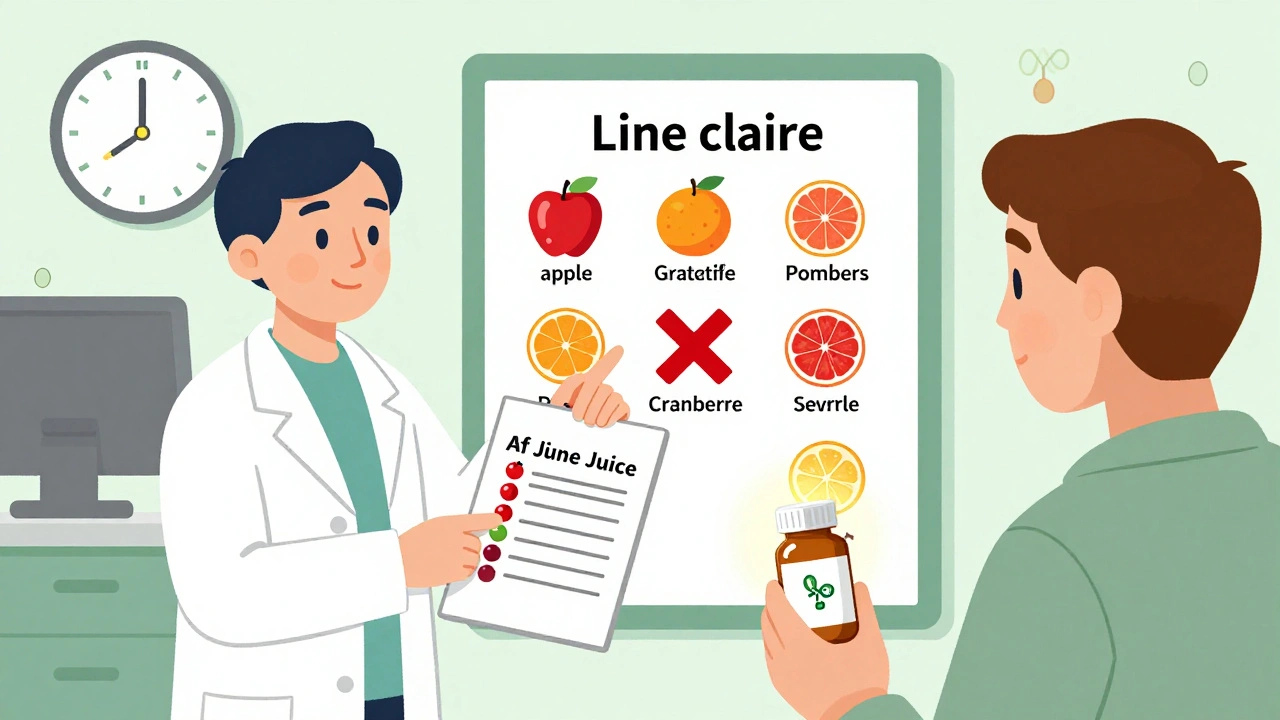
- If you drink grapefruit juice regularly, switch to orange, apple, or cranberry juice. They don’t affect CYP enzymes.
- Watch for new side effects: nausea, dizziness, confusion, rapid heartbeat. These could signal rising drug levels.
For everyone:
- Don’t rely on labels. Only 18% of warfarin prescriptions and 8% of SSRI prescriptions mention grapefruit warnings.
- Ask your pharmacist every time you pick up a new prescription: “Does this interact with grapefruit?”
- Keep a list of all your medications and supplements. Bring it to every appointment.
The Bigger Picture
This isn’t just about one fruit. It’s about how little we know about how our bodies handle drugs. The FDA now requires new drugs to be tested for CYP inhibition-but many older medications, like warfarin and sertraline, were approved before these standards existed. That’s why the burden falls on patients and clinicians to stay informed.
Meanwhile, grapefruit consumption is rising. From 2019 to 2023, U.S. sales climbed 17% as more people chase “healthy” diets. At the same time, aging populations are taking more medications. The European Medicines Agency predicts a 22% increase in grapefruit-related adverse events by 2030 if nothing changes.
Knowledge is your best defense. You don’t need to give up citrus forever. You just need to know which ones to avoid-and why.
Can I drink grapefruit juice if I take warfarin?
It’s safest to avoid it entirely. Grapefruit can inhibit CYP2C9 and CYP3A4, both involved in warfarin metabolism. Even small amounts can raise your INR, increasing bleeding risk. If you’ve had unexplained INR spikes, grapefruit is a likely cause. Genetic testing for CYP2C9 variants can help clarify your personal risk.
Do all SSRIs interact with grapefruit?
No. Fluoxetine and paroxetine are metabolized mainly by CYP2D6, which grapefruit doesn’t strongly affect. Sertraline, citalopram, and escitalopram are metabolized by CYP3A4 and CYP2C19, so they carry some risk. Sertraline has the most documented cases of increased blood levels with grapefruit. Escitalopram appears to be lower risk based on recent studies.
How long does grapefruit affect CYP3A4?
The effect lasts 24 to 72 hours after consumption. Grapefruit doesn’t just block the enzyme-it destroys it. Your body needs time to produce new CYP3A4 enzymes in the gut. That’s why spacing out your juice and medication doesn’t work. Avoid grapefruit entirely if you’re on a high-risk drug.
Is orange juice safe to drink with medications?
Yes, regular sweet orange juice (not Seville or pomelo) is generally safe. It doesn’t contain furanocoumarins, the compounds that inhibit CYP enzymes. Apple, cranberry, and pineapple juice are also safe alternatives. Just avoid grapefruit, pomelo, and Seville oranges.
Should I get genetic testing for CYP2C9 if I’m on warfarin?
It’s not required, but it can be very helpful. If you’ve had unstable INR levels, or if you’re starting warfarin and want to avoid trial-and-error dosing, testing for CYP2C9 variants can guide your dose and help you avoid grapefruit if you’re a slow metabolizer. The test costs $250-$400 and is covered by many insurance plans.
Are there other fruits besides grapefruit that cause drug interactions?
Yes. Seville oranges, pomelos, and hybrids like ‘Oroblanco’ and ‘Sweetie’ contain even higher levels of furanocoumarins than regular grapefruit. The FDA issued a warning in 2023 about these varieties, noting they can triple the interaction risk. Avoid all of them if you’re on a medication affected by CYP3A4 or CYP2C9.
What to Do Next
Start by checking your medication list. If you’re on warfarin or sertraline, look at your weekly routine. Do you drink grapefruit juice? Have you noticed any new side effects? Talk to your pharmacist-they’re trained to spot these interactions and can review all your meds in minutes.
If you’re unsure, don’t guess. Swap grapefruit for an apple or orange. It’s a simple change with a big payoff. And if you’re on warfarin, ask your doctor about CYP2C9 testing. It’s not routine, but it could prevent a hospital visit.
Medication safety isn’t about fear. It’s about awareness. You’re not alone in this. Millions of people take these drugs. The science is clear. Now it’s up to you to act on it.



December 2, 2025 AT 08:53
This is terrifying. I drink grapefruit juice every morning with my warfarin. I thought it was healthy. Now I’m scared to even look at citrus. My doctor never told me this. I feel like I’ve been slowly poisoning myself.