The "Natural" Trap: Why Most Pregnant Women Don't Know the Risks
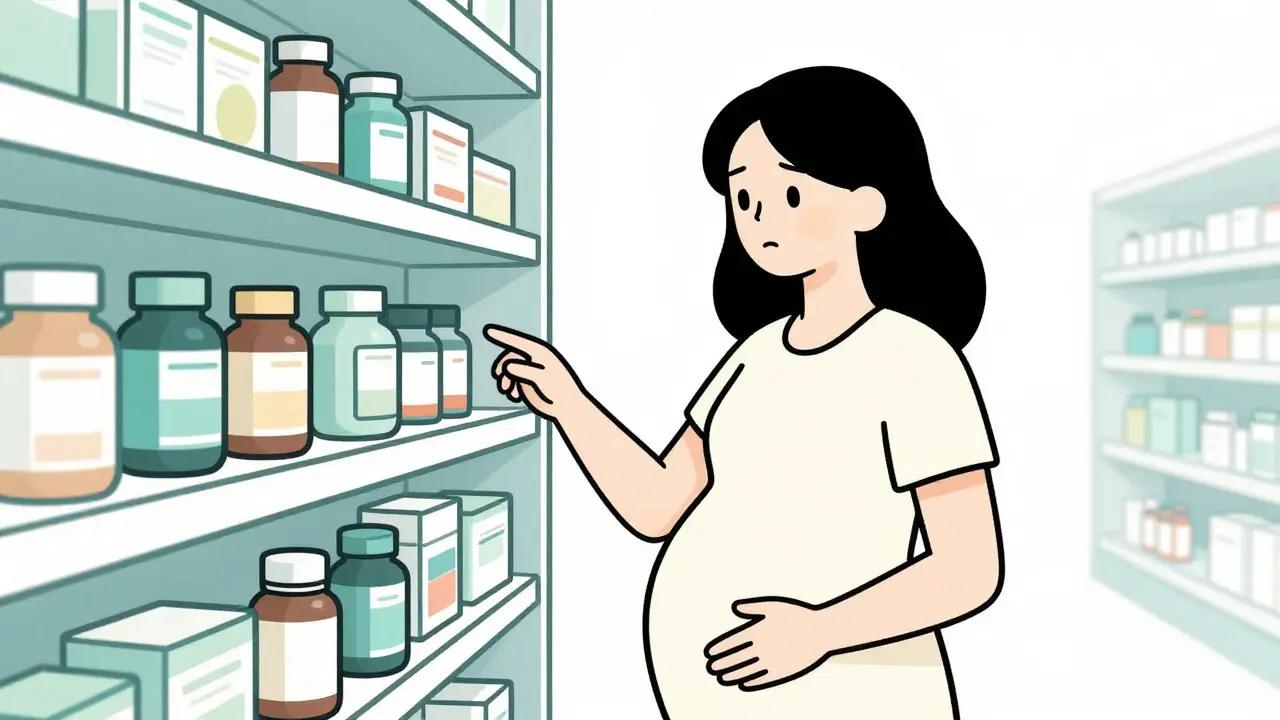
You might think choosing a natural option is always safer than taking a synthetic pill. It sounds logical: plants are nature, right? Unfortunately, when you're carrying a life, logic doesn't always match medical evidence. According to a major systematic review by the American Academy of Family Physicians in 2023, about 29% of pregnant women worldwide admit to using herbal supplements. That means roughly one in three expecting mothers is consuming plant products that have largely skipped the rigorous testing required for prescription drugs.
This isn't a scare tactic; it's a gap in information. While Pregnancy brings a host of uncomfortable symptoms ranging from morning sickness to anxiety, the solutions we reach for often lack clear safety data. The reality is stark: fewer than 10% of medicines approved since 1980 have sufficient data to confirm their safety during pregnancy, according to the Centers for Disease Control and Prevention (CDC). Since herbal supplements aren't even classified as standard medicines by regulators, the data vacuum is even deeper.
Why We Turn to Herbs
Despite the warnings, the pull of natural remedies is strong. Many women feel overwhelmed by pharmaceuticals and fear side effects more than unknown herb properties. For instance, nausea and vomiting affect between 35% and 80% of pregnant women. It's exhausting, and when a standard doctor visit feels distant or clinical, reaching for tea or tinctures feels immediate.
Culture plays a huge role here too. In Spain, a 2025 study published in BMC Complementary Medicine found that almost half of pregnant women in Catalonia were consuming oral herbal products. Some women believe these remedies offer gentle support that chemicals can't provide. While that feeling of control is valuable, it creates a dangerous blind spot when those same herbs contain compounds that can stimulate the uterus or interact with other necessary medications.
The Regulatory Black Hole: FDA Rules Explained
To understand the risk, you first need to understand why there is no answer sheet. In the United States, the Food and Drug Administration (FDA) regulates dietary supplements under different laws than drugs. They don't require proof of safety before a product hits the shelf. Instead, manufacturers only need to report adverse events after the fact. If someone has a bad reaction, the company reports it; if nothing happens, the FDA assumes it's fine. This reactive approach leaves thousands of ingredients effectively untested on developing fetuses.
Furthermore, pregnant women are systematically excluded from most clinical trials. Pharmaceutical companies avoid this population because of liability fears and the ethical complexities of testing on two people at once. As a result, when a pregnant woman takes an herbal remedy, she is essentially becoming part of an unmonitored case study.
This regulatory framework creates what experts call an "evidence gap." We know how penicillin works. We know how Tylenol behaves in liver metabolism. We know very little about how St. John's Wort, lavender oil, or black cohosh interacts with your placenta.
What the Science Says About Common Herbs
Not all herbs are created equal. Some have decades of observational data supporting their use, while others carry significant risks. Let's look at the heavy hitters you'll see in stores.
Ginger: The Gold Standard for Nausea
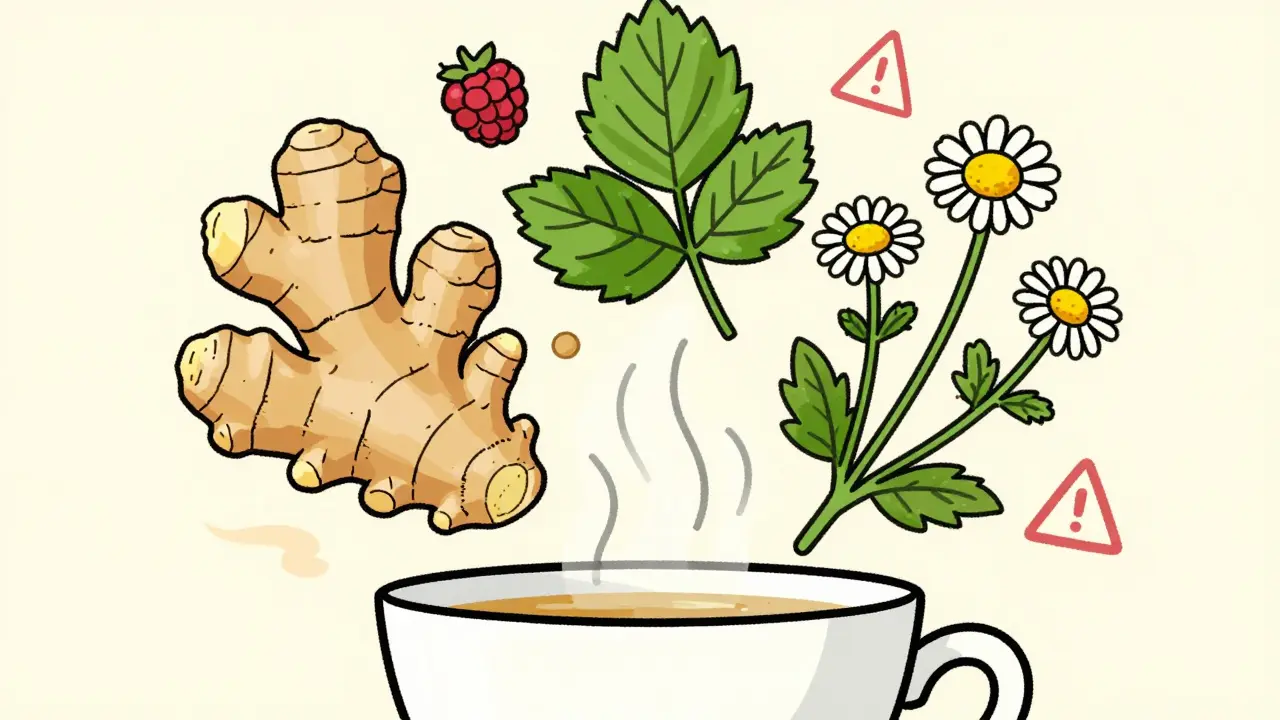
If there is one hero herb for pregnancy, it's ginger. A 2023 analysis by Cleveland Clinic confirms that ginger is effective for managing nausea without the sedation often seen with antiemetic drugs. Studies suggest doses below 1,000 mg per day are likely safe and effective.
| Treatment Type | Efficacy for Nausea | Known Side Effects |
|---|---|---|
| Ginger Root | High (Comparable to Drugs) | Mild heartburn, blood thinning effect |
| Vitamin B6/Doxylamine | High | Drowsiness, dry mouth |
| Promethazine | Variable | Heavy sedation, dizziness |
However, ginger does have boundaries. If you are on blood-thinning medication like warfarin, adding high-dose ginger supplements can increase bleeding risks. Also, make sure you are eating actual root or drinking standardized tea, rather than a concentrated extract whose dosage might vary wildly between brands.
Raspberry Leaf Tea: To Drink or Not to Drink?
Raspberry leaf (Rubus idaeus) is famous among midwives and traditional birth workers. It is often touted for its ability to "tone" the uterus and potentially shorten labor. However, the American College of Obstetricians and Gynecologists (ACOG) warns that the safety profile is inconsistent. While traditionally used to prepare for delivery, modern reviews indicate a link to increased rates of cesarean sections when used improperly to induce labor prematurely.
Because the mechanism of action isn't fully understood, most medical providers suggest avoiding it until late third trimester (after 36 weeks) and only if advised by your care provider. Drinking it early on could theoretically stimulate contractions you aren't ready for.
The "Safe" Teas That Aren't
Many women swear by chamomile for sleep or cranberry for urinary tract infections (UTIs). These are popular choices, but the data tells a conflicting story.
- Chamomile: While soothing for anxiety, some animal studies suggest high doses could close the ductus arteriosus (a vital fetal heart vessel) prematurely or trigger preterm birth. It's generally safe in culinary amounts, but medicinal teas tread a gray area.
- Cranberry: Great for bladder health, possibly. But studies note a correlation with vaginal spotting in the second and third trimesters. If you experience bleeding after starting cranberry supplements, stop immediately.
- Rosemary: Often overlooked, rosemary has uterine stimulant properties. While safe as a garnish, high-dose oral supplements are considered unsafe.
The Hidden Dangers: Quality Control and Interactions
Even if a herb is safe on paper, the bottle on the shelf might not be. Research shows that anywhere from 20% to 60% of herbal supplements contain unlisted ingredients or incorrect dosages. One manufacturer might sell 1000mg of echinacea; the next might pack in contaminants or heavy metals due to soil pollution in the growing region.
Quality variance is a major concern. Unlike prescription drugs, which have strict Good Manufacturing Practices (GMP), supplement labeling laws are looser. A batch bought in January might differ chemically from a batch bought in March. Furthermore, herbs can interact with prenatal vitamins or other medications you are prescribed. For example, St. John's Wort accelerates the breakdown of many hormones and drugs, rendering them less effective.
A Practical Guide to Talking to Your Doctor
Walking into an appointment and asking, "Can I take this?" is a good start, but being prepared helps get better answers. Here is a practical checklist:
- List Everything: Bring every bottle, box, and jar. Don't leave homeopathy out, as many contain trace active ingredients.
- Check Reputable Sources: Before buying, look up the herb on MotherToBaby or WebMD Health Information Center. These sites specialize in pregnancy pharmacology.
- Ask About Timing: Some herbs are safe in the first trimester but unsafe later, and vice versa. Ask specifically about the week of pregnancy you are currently in.
- Verify the Brand: Look for third-party seals like USP or NSF on the label, though keep in mind these verify ingredients, not necessarily pregnancy safety.
The American Pregnancy Association advises that no herbal product should be taken without a consultation. If your provider hesitates to give a green light, respect that caution. The risk of a rare complication outweighs the potential benefit of symptom relief in most cases.
Conclusion: Navigating the Gray Zone
As we move forward, research is expanding. The National Institutes of Health launched a new initiative in late 2023 specifically to address the evidence gaps in reproductive wellness. In the meantime, you are navigating this with incomplete maps. The safest strategy isn't to reject everything, but to treat "natural" labels with skepticism. Always assume that because a substance is a plant, it is not automatically harmless to a baby.