
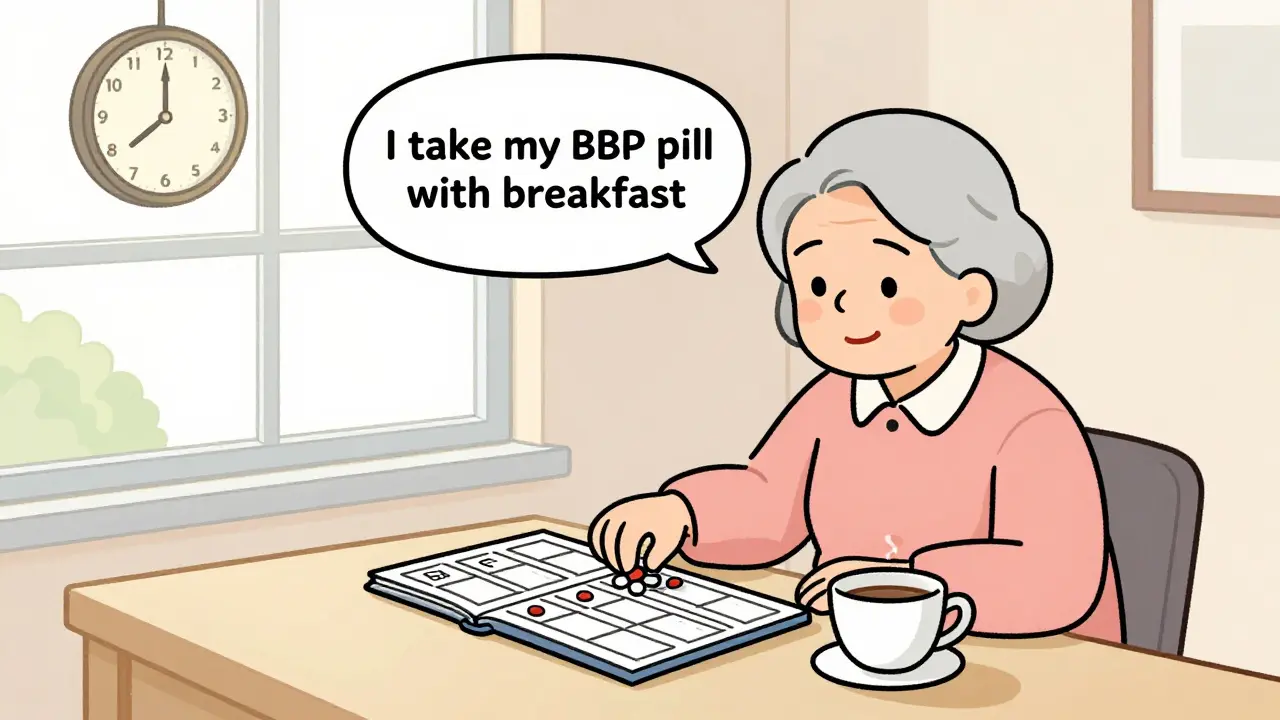
Skipping a pill because you’re running late, feeling fine, or just forgetting isn’t a small mistake-it’s a risk that can send your health spiraling. Prescription medications aren’t like vitamins you can take when you remember. They’re precision tools designed to work at specific times, in specific amounts, to keep your body in balance. When you miss a dose or take it at the wrong time, you’re not just delaying treatment-you’re undermining it.
Why Timing Matters More Than You Think
Your body doesn’t work on a schedule that matches your busy life. Medications are built to maintain steady levels in your bloodstream. Too little, and the drug stops working. Too much, and you risk side effects or toxicity. For many drugs, especially those for chronic conditions, the difference between 8 a.m. and 10 a.m. can mean the difference between control and crisis. Take blood pressure meds. High blood pressure doesn’t come with warning signs. You won’t feel it creeping up. But if you skip a dose, your pressure spikes. That spike damages your arteries, strains your heart, and increases your chance of stroke or heart attack. The American Heart Association says nearly half of U.S. adults have high blood pressure. For many, the only thing keeping them safe is taking their pills every single day, at the same time. Antibiotics are another example. You start feeling better after a few days, so you stop. Big mistake. The bacteria that made you sick aren’t all gone. The ones that survive? They’re the toughest. They multiply and come back stronger-and now they’re resistant to the drug. That’s how superbugs form. The CDC says you must finish every antibiotic course, even if you feel fine. That’s not a suggestion. It’s a rule.Drugs That Can’t Wait
Some medications have zero room for error. Warfarin, a blood thinner, needs to be taken at the exact same time every day. Your blood’s clotting ability is measured by a test called INR. If you skip or shift doses, your INR swings. Too high, and you risk internal bleeding. Too low, and you could get a clot that causes a stroke. Patients on warfarin often get blood drawn every few weeks to check this balance. One missed dose can throw it off for days. Diabetes medications are equally time-sensitive. Insulin and other drugs like metformin or sulfonylureas must line up with meals. Take your pill too early? You might crash your blood sugar before eating. Take it too late? Your sugar spikes dangerously high. Hypoglycemia can lead to seizures, confusion, or even coma. These aren’t theoretical risks-they happen every day. Transplant patients on immunosuppressants? If they miss a dose, their body might start attacking the new organ. Organ rejection doesn’t wait for convenience. It strikes fast and hard. One missed pill can mean months of recovery-or loss of the transplant.Why People Skip (And Why It’s Dangerous)
People skip doses for reasons that sound reasonable-but aren’t. You feel better, so you think you don’t need it anymore. You’re tired of taking pills. You’re scared of side effects. You can’t afford the refill. Or you just forget. But here’s the truth: feeling better doesn’t mean you’re cured. It means the medicine is working. Stopping early is like turning off the alarm after it goes off once-you’re not fixing the fire, you’re just silencing the warning. Older adults face the biggest challenges. Many juggle five, ten, or more medications a day. Pills look alike. Schedules are confusing. A 2002 study in the Annals of Internal Medicine found that each extra daily dose cuts adherence by about 16%. So if you’re taking six pills a day, your chance of sticking to the plan drops nearly in half. And forgetfulness? It’s not laziness. It’s human. But the consequences aren’t. A family doctor in rural Alabama found that many patients didn’t understand their instructions-not because they were careless, but because no one explained them clearly. They were told to take something “twice a day,” but didn’t know if that meant every 12 hours or just morning and night. That gap in communication leads to mistakes.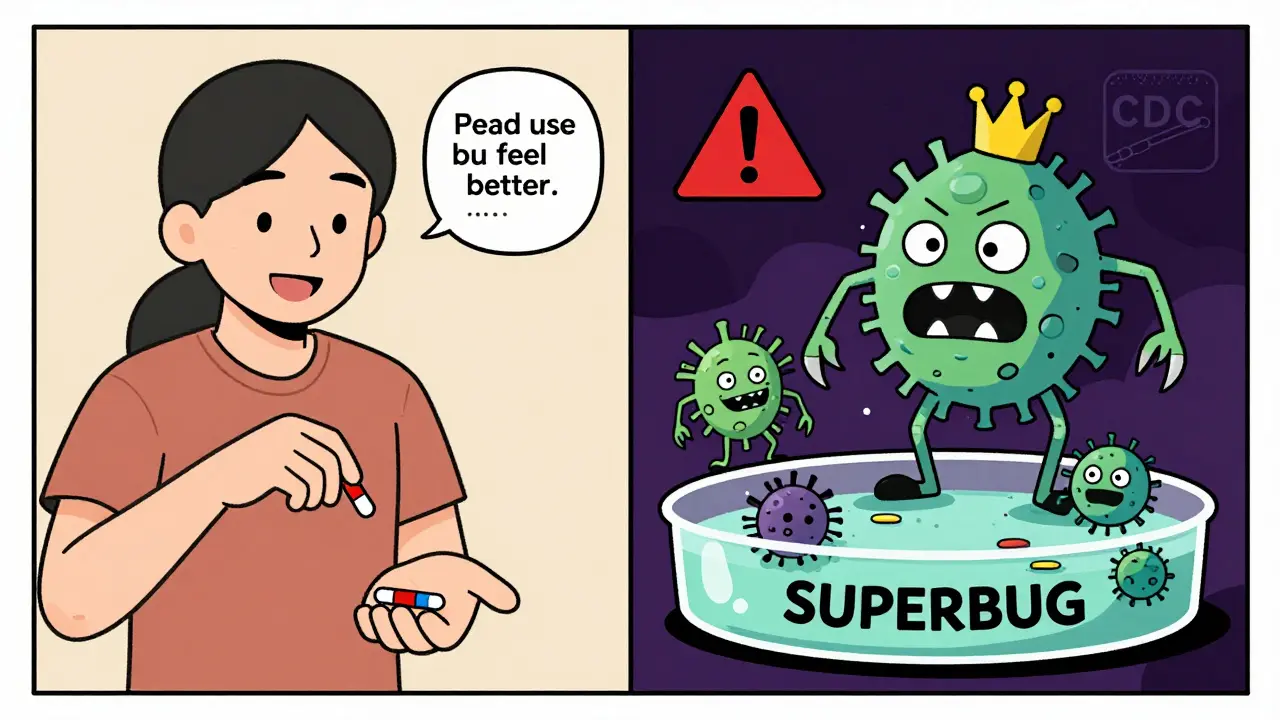
How to Get Back on Track
You don’t need to be perfect. You just need to be consistent. Here’s how to make it stick:- Use a pill organizer. Weekly or monthly boxes with labeled compartments make it visual. You see if you missed a dose before you even take it.
- Set phone alarms. Name them clearly: “Morning BP Pill,” “Lunchtime Insulin.” Don’t just say “Meds.”
- Link pills to habits. Take your medication right after brushing your teeth, pouring your coffee, or sitting down for dinner. Your brain links the action to the routine.
- Ask your pharmacist to simplify. Can your meds be combined into one daily dose? Can you switch to a long-acting version? Pharmacists can often reduce the number of daily pills-making adherence easier.
- Use the teach-back method. Before you leave the doctor’s office, say: “So, I take this pill every morning with breakfast, and this one at bedtime without food. Is that right?” If you can explain it back, you’ll remember it.
What Happens When You Don’t
Skipping doses doesn’t just hurt you. It costs the system-and everyone else. The U.S. spends an estimated $100-$300 billion each year on preventable hospitalizations and emergency visits tied to medication non-adherence. That’s billions of dollars and tens of thousands of lives lost annually. The Annals of Pharmacotherapy estimated that 125,000 Americans die each year because they didn’t take their meds as directed. For people with diabetes, heart disease, or kidney failure, missing doses leads to faster decline. Hospital stays get longer. Recovery takes more time. You might end up needing dialysis, bypass surgery, or a new organ-all because you skipped a pill. And here’s the quiet truth: your doctor can’t help you if you don’t tell them you missed doses. They’ll assume you’re taking everything right. They’ll keep prescribing the same plan. Meanwhile, your condition is quietly worsening.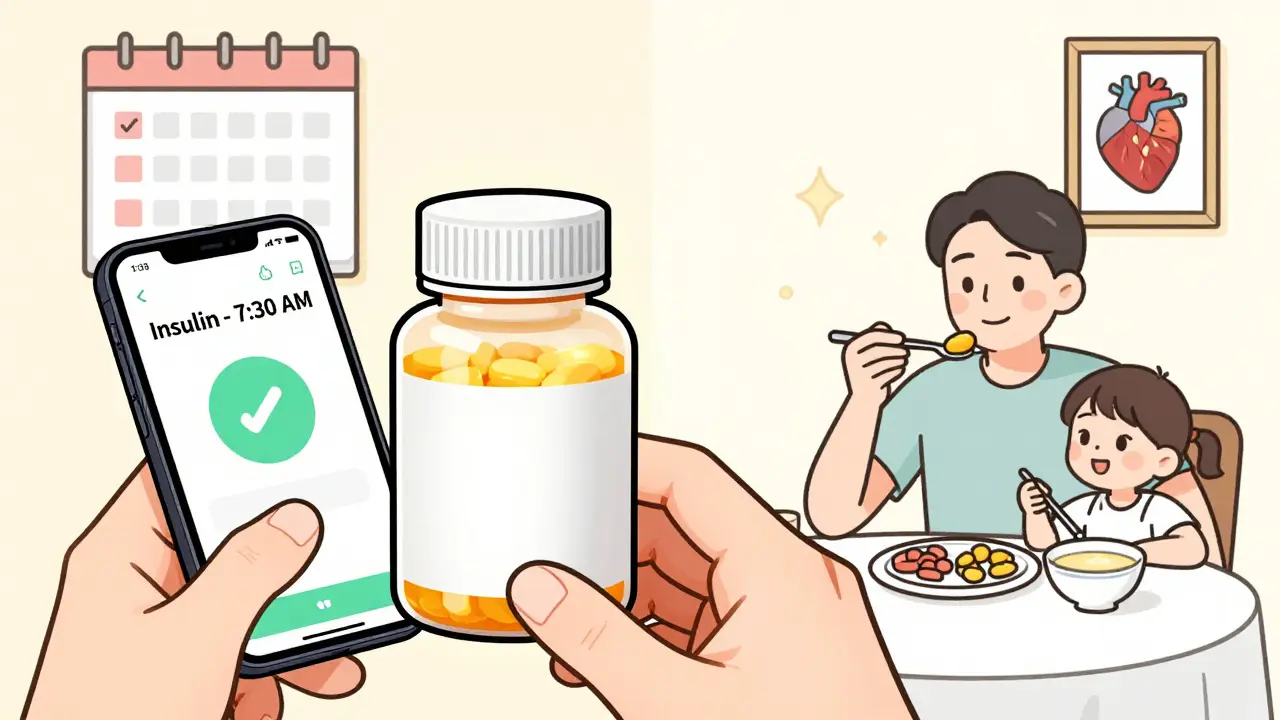
It’s Not About Willpower
This isn’t about being responsible or disciplined. It’s about design. If your medication schedule is too complex, too confusing, or too disconnected from your life, it will fail. That’s not your fault. It’s a system failure. The solution isn’t guilt. It’s support. Many pharmacies now offer free pill organizers. Insurance plans like Medicare Part D require medication therapy management programs. Pharmacists can review all your meds, check for timing conflicts, and even call your doctor to simplify your regimen. Digital tools are helping too. Smart pill bottles beep when opened. Apps send reminders. Some even notify your doctor if you miss a dose. These aren’t gadgets-they’re lifelines.One Pill, One Chance
Every time you take your medication as prescribed, you’re choosing your future. You’re choosing to avoid the hospital. To keep working. To play with your grandkids. To live without fear. You don’t need to remember every single day. Just aim to get back on track as soon as you can. If you miss one, take it as soon as you remember-if it’s not too close to the next dose. If you’re unsure, call your pharmacist. They’re trained for this. Your body doesn’t care if you’re busy. It doesn’t care if you’re tired. It only knows what’s in your bloodstream-and it’s counting on you to keep it steady. Don’t skip. Don’t guess. Don’t assume. Take your medicine-on time, every time. It’s not just a habit. It’s your safety net.What happens if I miss a dose of my prescription?
It depends on the medication. For most drugs, take the missed dose as soon as you remember-if it’s not almost time for the next one. If it is, skip the missed dose and go back to your regular schedule. Never double up unless your doctor says to. For time-critical drugs like warfarin or insulin, call your pharmacist or provider immediately. They’ll tell you what to do based on your specific situation.
Can I take my medication with food if the label says ‘on an empty stomach’?
No. Some drugs are absorbed differently depending on what’s in your stomach. Taking them with food can make them less effective-or more toxic. For example, certain antibiotics like tetracycline bind to calcium in dairy and won’t work if taken with milk. Always follow the label. If you’re unsure, ask your pharmacist.
Why do some pills need to be taken at bedtime?
Some medications work better at night because your body’s rhythms affect how they’re processed. Blood pressure naturally dips at night, so taking certain BP meds at bedtime helps maintain steady control. Cholesterol meds like statins are taken at night because your liver makes most cholesterol while you sleep. Sleep aids and muscle relaxants are timed for bedtime because they cause drowsiness.
I’m on five different medications. How do I keep track of them all?
Use a pill organizer with separate compartments for morning, afternoon, evening, and bedtime. Set phone alarms for each dose. Keep a written list of all your meds, including dose and timing, and bring it to every appointment. Ask your pharmacist to review your regimen-they can often simplify it by switching to combination pills or long-acting versions.
My pills look the same. How do I know which is which?
Never guess. Ask your pharmacist to label each bottle clearly with the drug name, dose, and purpose. Use different pill organizers for different times of day. Some pharmacies offer blister packs with printed labels for each dose. If you’re confused, bring your meds to your pharmacist-they’ll sort them out for free.
Is it okay to stop taking a medication if I feel fine?
No. Many conditions-like high blood pressure, high cholesterol, or diabetes-don’t cause symptoms even when they’re active. Feeling fine means your meds are working. Stopping can cause your condition to return quickly, often worse than before. Always talk to your doctor before making any changes.
Can I split pills to save money?
Only if your doctor or pharmacist says it’s safe. Some pills are designed to release medicine slowly and can’t be split without changing how they work. Others have coatings that protect your stomach or control absorption. Never split pills without professional advice. Ask your pharmacist about generic versions or patient assistance programs instead.



February 2, 2026 AT 20:08
i mean like... we all skip sometimes. life happens. but yeah i guess if you're on warfarin or insulin you're kinda screwed if you forget. i just take mine with my coffee and hope for the best.