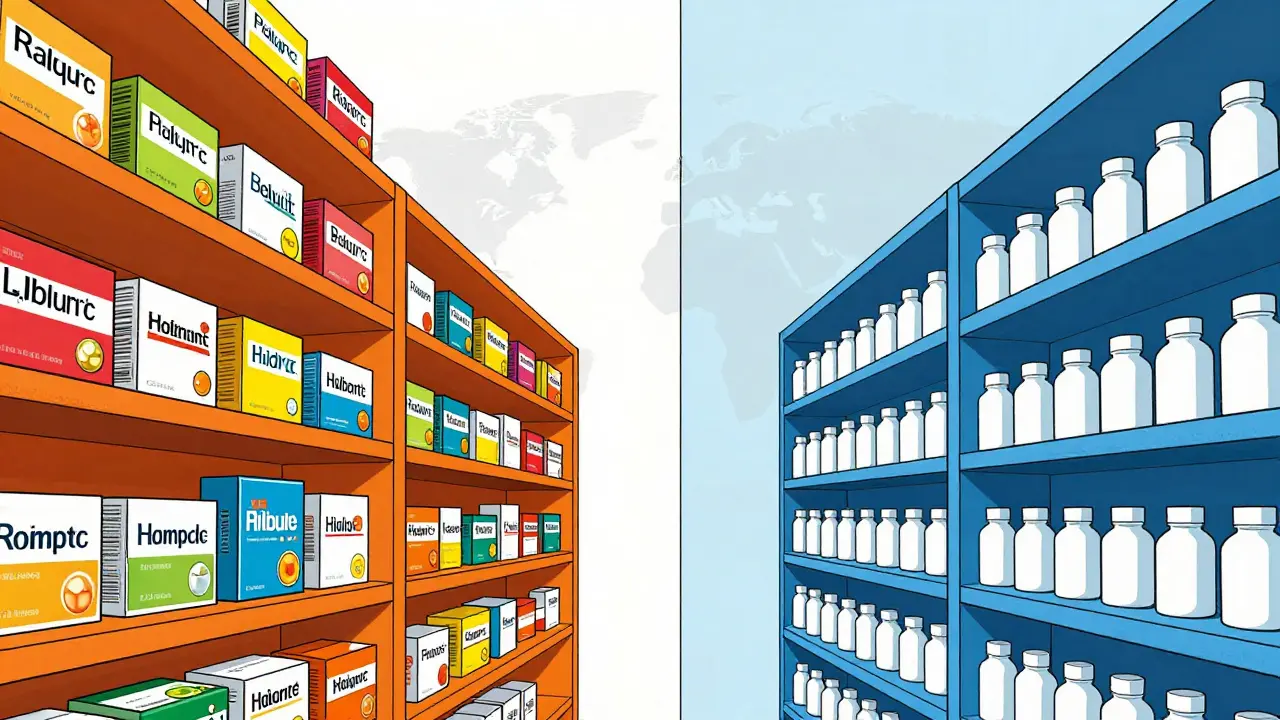
Pharmaceutical Prices Across Different Countries: A Comprehensive Comparison
Explore how drug prices vary globally. This guide breaks down list versus net prices, policy impacts, and regional differences affecting your wallet.

Explore how drug prices vary globally. This guide breaks down list versus net prices, policy impacts, and regional differences affecting your wallet.

Learn how to identify and treat medication-induced anaphylaxis with clear emergency steps, including correct positioning and timely adrenaline use to save lives.
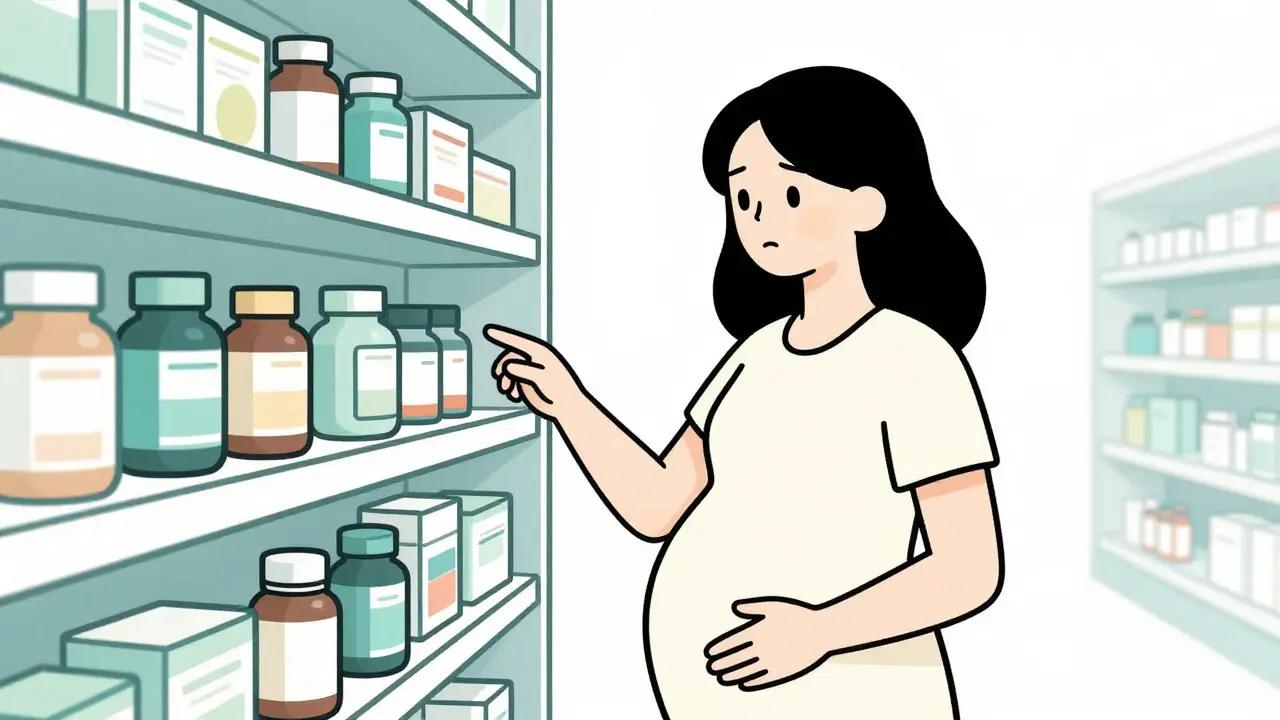
Nearly 30% of pregnant women use herbal supplements, yet most lack safety testing. Learn which herbs like ginger are safe, which like blue cohosh are dangerous, and how to navigate the regulatory gaps.
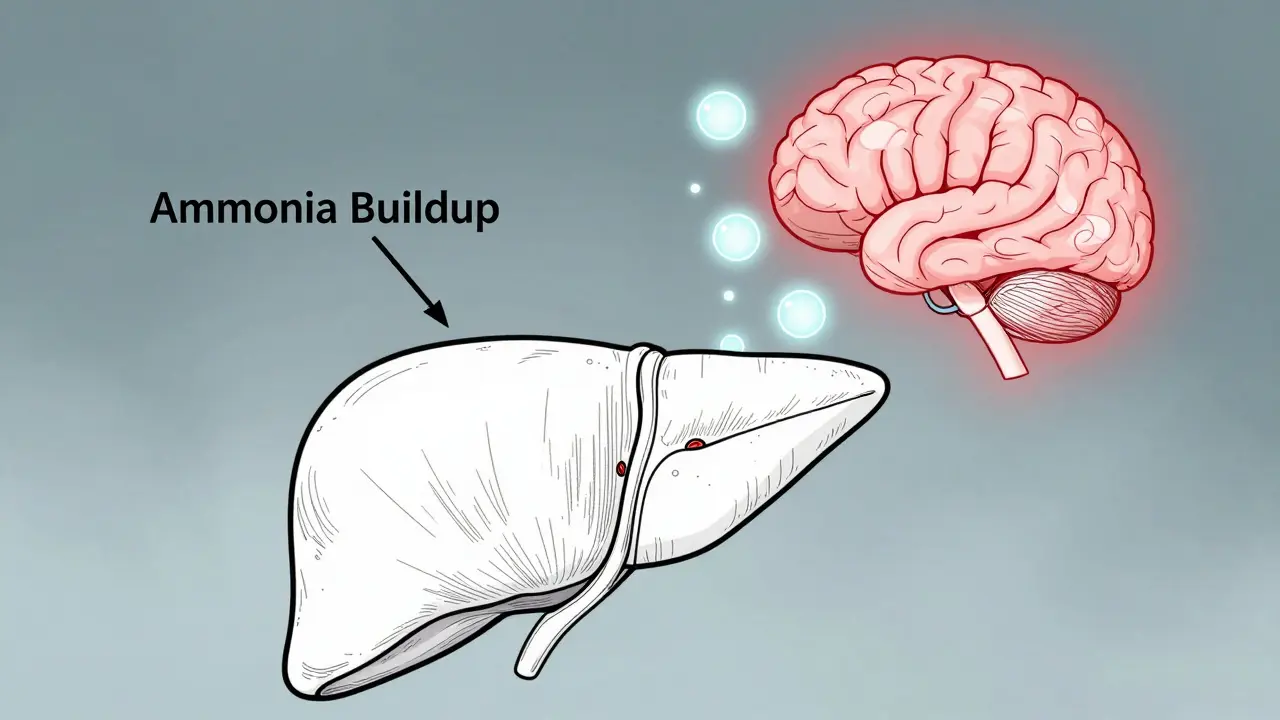
Hepatic encephalopathy causes confusion and cognitive decline in liver disease patients. Lactulose is the first-line treatment to reduce ammonia, while prevention through trigger management and diet can stop episodes before they start.

Functional impairment from autoimmune diseases can be managed with targeted rehab and occupational therapy. Learn how evidence-based techniques like energy pacing, hydrotherapy, and adaptive tools help patients regain independence - without triggering flares.
Physicians face increasing legal liability when prescribing generic drugs due to Supreme Court rulings that shield manufacturers from lawsuits. Learn how this shift affects prescribing practices, documentation, and malpractice risk.
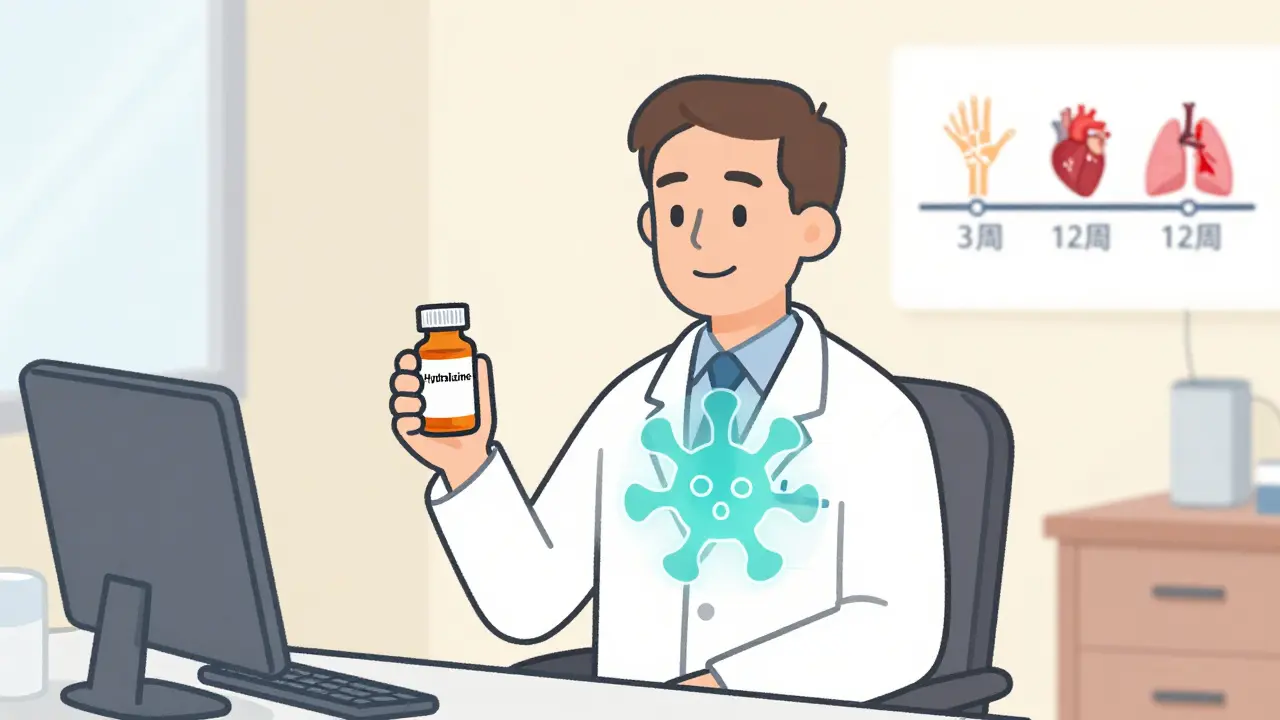
Drug-induced lupus is a reversible autoimmune reaction caused by certain medications. Unlike chronic lupus, it typically resolves within weeks after stopping the drug. Learn the symptoms, key tests, and recovery timeline.
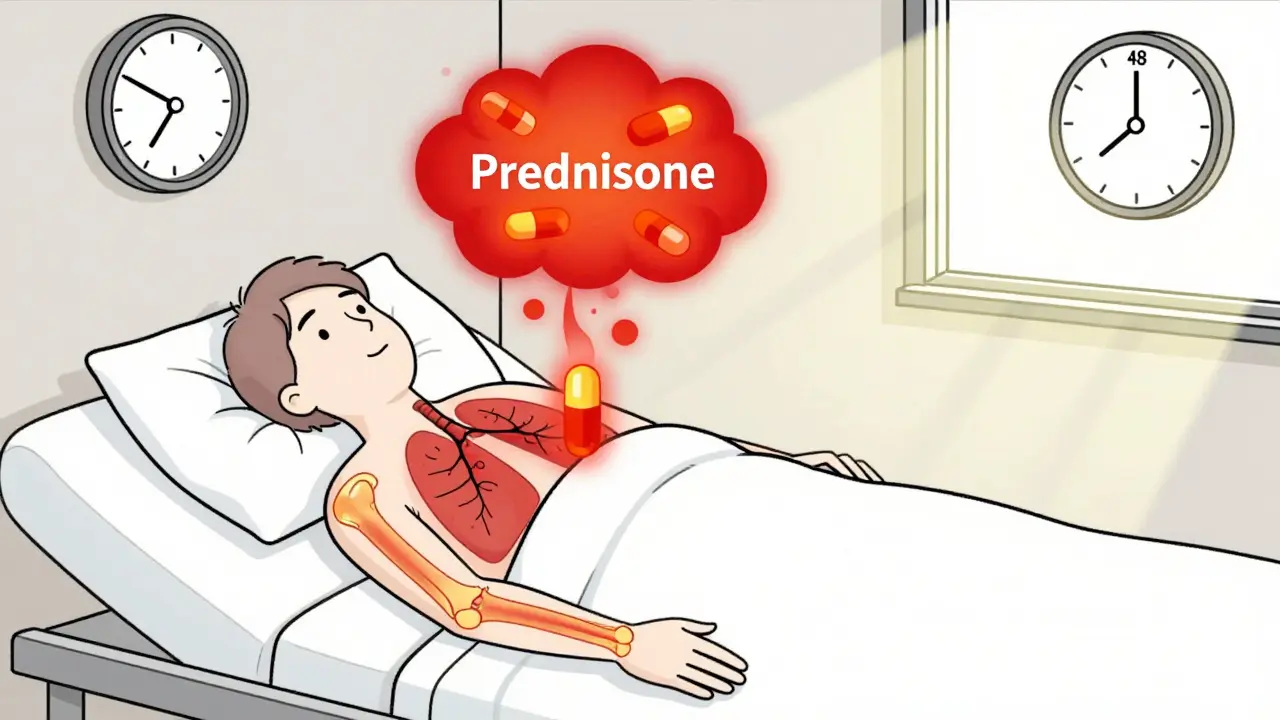
Corticosteroids deliver fast relief for inflammation and autoimmune flares-but come with serious risks. Learn how short-term use saves lives, while long-term use can cause permanent damage like diabetes, bone loss, and cataracts.
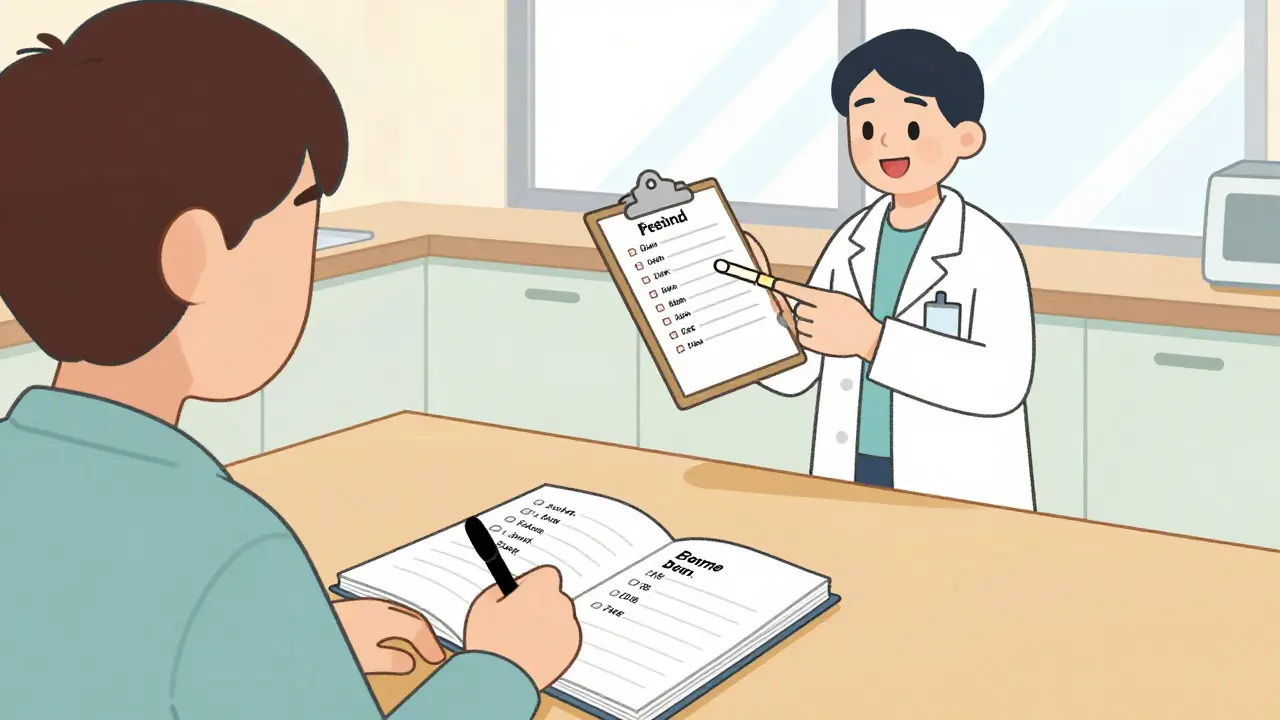
Learn how to document provider advice about medications to avoid errors, improve safety, and ensure continuity of care. Essential tips for patients and caregivers on what to write, how to store it, and why it matters.
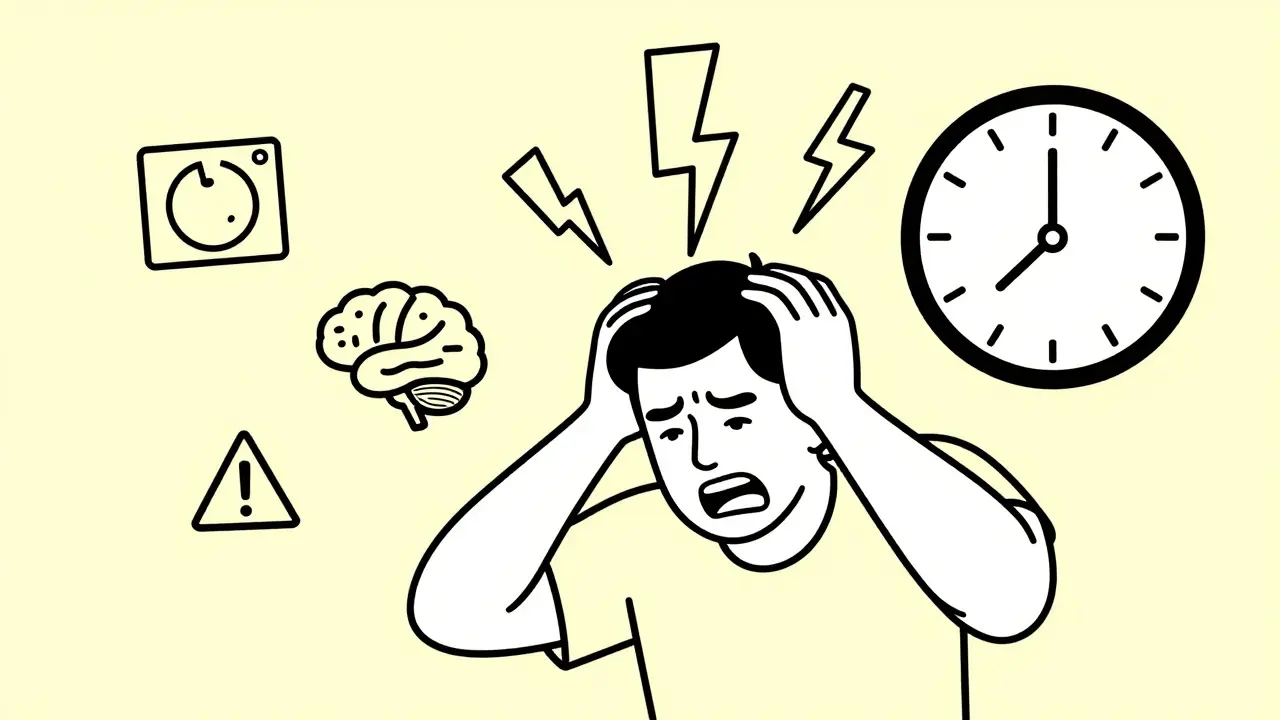
Most headaches are harmless, but some signal life-threatening conditions. Learn the neurological red flags-like thunderclap pain, fever with neck stiffness, or sudden weakness-that mean you need emergency care now.