Medication Scarcity: Why Drugs Run Out and What You Can Do
When your doctor prescribes a medication and the pharmacy says it’s medication scarcity—not just out of stock, but completely unavailable—it’s more than an inconvenience. It’s a health emergency. Medication scarcity, the prolonged unavailability of essential drugs due to supply chain failures, manufacturing issues, or economic pressures. Also known as drug shortages, it affects everything from insulin and antibiotics to blood pressure pills and cancer treatments. This isn’t rare. In 2023, over 300 drugs were on the U.S. shortage list alone, and many of these shortages lasted for months. People with chronic conditions—diabetes, heart disease, epilepsy—are the ones who suffer most. They don’t get to wait. Their bodies don’t pause.
Drug shortages, a systemic problem rooted in fragile manufacturing networks and profit-driven pricing models. Also known as pharmaceutical supply chain failures, they often start overseas, where most active ingredients are made. A single factory shutdown in India or China can ripple across the globe. Then there’s generic drugs, low-cost versions of brand-name medications that make up over 90% of prescriptions but have razor-thin profit margins. When prices drop too low, manufacturers quit making them. No profit, no supply. And when the few remaining makers can’t keep up, patients are left scrambling. Meanwhile, prescription access, the ability to get the right drug at the right time without delays or substitutions. Also known as medication access, it’s not just about availability—it’s about safety. Switching to an alternative isn’t always safe. A different formulation might cause side effects, or a substitute might not work the same way for your condition.
You’ve probably seen headlines about insulin costing $300 a vial or antibiotics disappearing during flu season. But behind those stories are real people: a diabetic skipping doses, a cancer patient delaying chemo, a parent unable to fill their child’s ADHD script. The system isn’t broken—it’s designed this way. Profit comes before patient needs. But you’re not powerless. You can track shortages before they hit your pharmacy. You can ask your pharmacist about alternatives. You can learn how to recognize when a substitute is risky. You can use FDA alerts to stay ahead of recalls and supply issues. The posts below give you the exact tools, real-world examples, and step-by-step strategies used by people who’ve been through this. From how to replace lost meds abroad to why combination therapy helps stretch limited supplies, you’ll find actionable ways to protect your health when the system fails you.
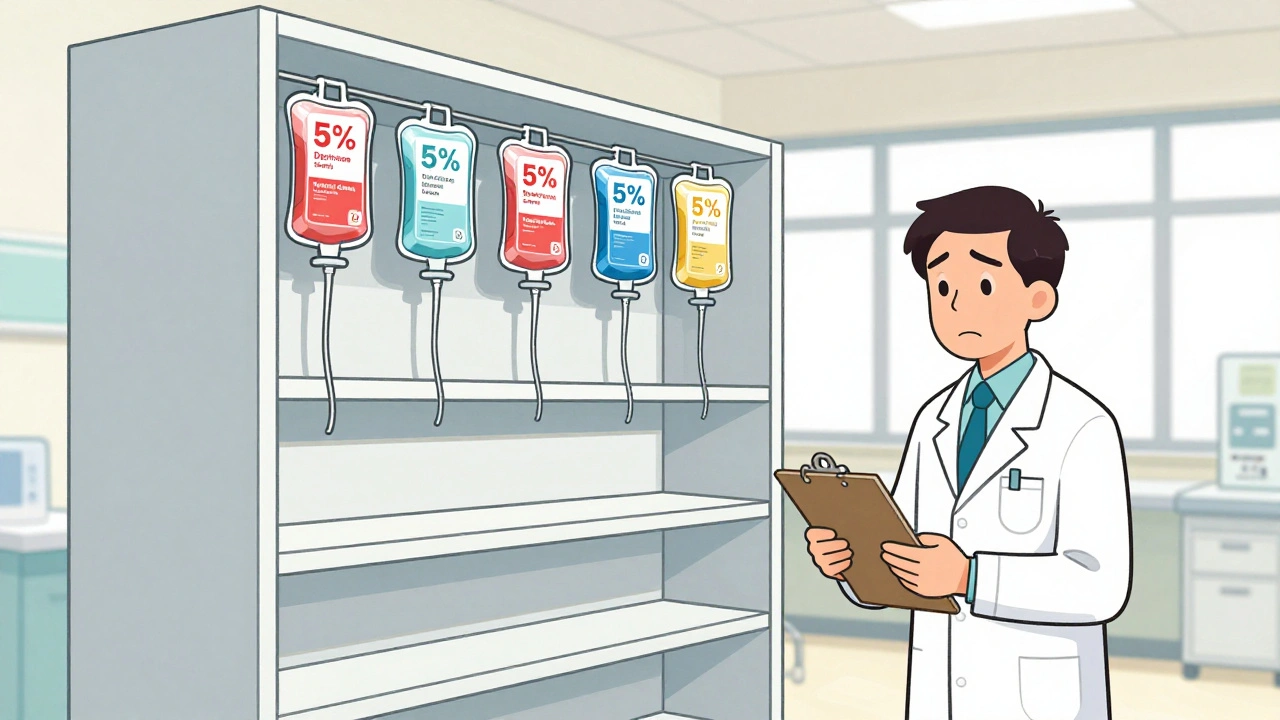
As of 2025, over 270 medications remain in short supply in the U.S., including critical chemotherapy drugs, IV fluids, and antibiotics. Learn which drugs are hardest to find, why shortages persist, and how patients and providers are coping.