
Pregnancy Antihistamine Safety Checker
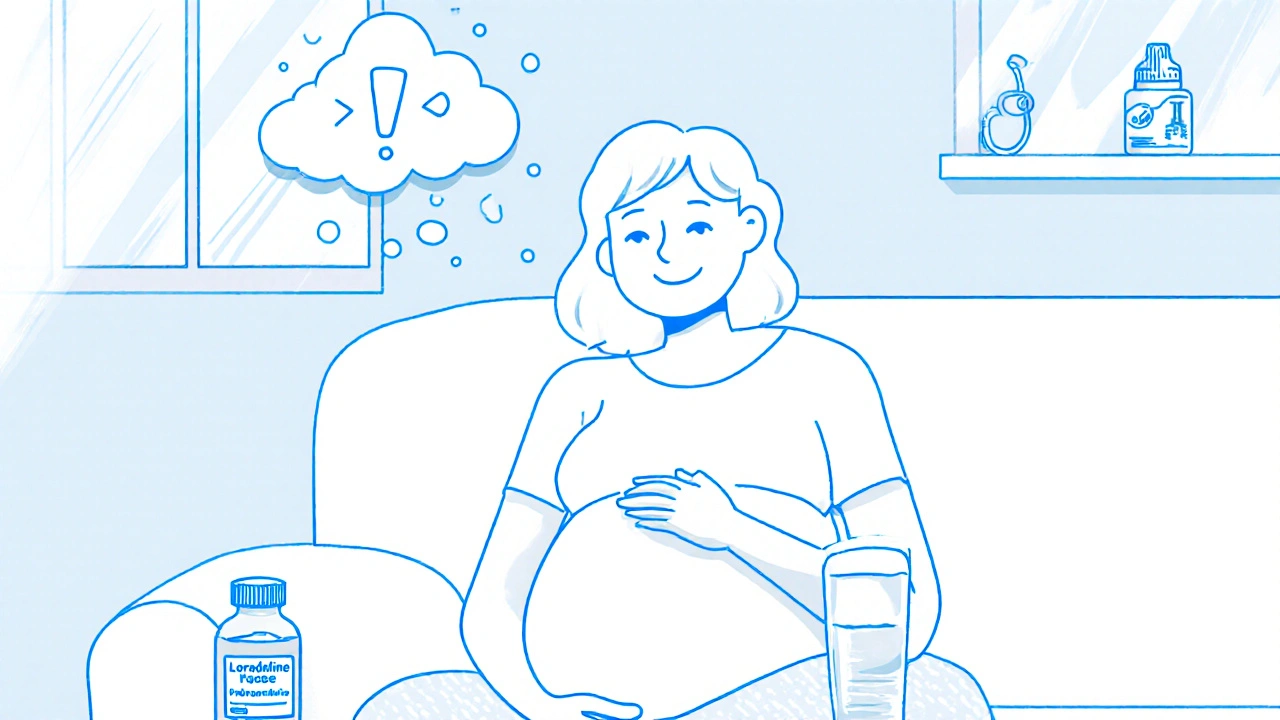
When you’re pregnant and battling sneezing, itchy eyes, or a runny nose, the last thing you want is to choose between feeling miserable and risking your baby’s health. Allergies don’t take a break during pregnancy - and neither should your relief. But not all antihistamines are created equal. Some are backed by decades of safe use. Others? The data is still catching up. The truth is, you don’t have to suffer. And you don’t have to guess. There are clear, evidence-based choices that can help you breathe easier - without putting your baby at risk.
What Are Antihistamines, and Why Do They Matter in Pregnancy?
Antihistamines block histamine, the chemical your body releases during an allergic reaction. That means they can calm down sneezing, itching, watery eyes, and nasal congestion. But during pregnancy, every medication gets a second look. Is it safe? Could it affect the baby’s development? These aren’t just theoretical concerns. Studies have looked at everything from heart defects to cleft palates in babies whose mothers took antihistamines.
The good news? Most antihistamines used today have not been linked to major birth defects. The bad news? No antihistamine has been officially labeled “100% safe” in pregnancy. That’s because ethical limits mean we can’t run randomized trials on pregnant women. So doctors rely on decades of observational data - and that’s where the real guidance comes from.
First-Generation vs. Second-Generation: The Key Difference
Not all antihistamines are the same. They’re split into two groups, and the difference matters a lot in pregnancy.
First-generation antihistamines - like chlorpheniramine (ChlorTrimeton), diphenhydramine (Benadryl), and dexchlorpheniramine - cross the blood-brain barrier. That’s why they make you drowsy. But that same trait means they’ve been around for decades. Chlorpheniramine has been used since the 1950s. Diphenhydramine since the 1940s. Millions of pregnancies later, no consistent pattern of birth defects has emerged. The American College of Obstetricians and Gynecologists (ACOG) and the American Academy of Family Physicians (AAFP) both list these as safe options. Evidence rating? B - meaning there’s good, but not perfect, data supporting their use.
Second-generation antihistamines - like loratadine (Claritin), cetirizine (Zyrtec), and fexofenadine (Allegra) - were designed to avoid the brain. That means little to no drowsiness. They’re popular for a reason. But they’re newer. Less real-world pregnancy data exists. Still, what we have is reassuring. A 2022 CDC analysis of over 1,000 pregnant women taking loratadine or cetirizine found no increase in major birth defects. ACOG’s March 2025 guidance says these “may also be safe.” The Mayo Clinic recommends them as first-line for mild allergy symptoms.
The Safest Choices: What Experts Recommend
When it comes to picking an antihistamine in pregnancy, three names come up again and again:
- Chlorpheniramine - the most studied first-gen option. Low risk, low cost, and widely available. Just expect to feel sleepy.
- Loratadine (Claritin) - non-sedating, taken once daily. Over 1,000 pregnancies studied with no increased risk of malformations.
- Cetirizine (Zyrtec) - also non-sedating for most people. Large studies show no link to birth defects. Some users report mild drowsiness, but it’s rare.
These three are the top picks from ACOG, AAFP, the American College of Allergy, Asthma & Immunology (ACAAI), and the Mayo Clinic. They’re not just “probably safe.” They’re the ones doctors reach for when a pregnant patient needs relief.
What about others? Diphenhydramine (Benadryl) is safe too, but its sedating effect can be a problem if you’re already tired from pregnancy. Hydroxyzine (Atarax) is a first-gen antihistamine, but some studies suggest a possible link to rare heart defects - though the numbers are tiny. Most experts avoid it unless absolutely necessary.
What to Avoid: The Red Flags
Not all allergy meds are created equal. Some are off-limits during pregnancy - not because they’re dangerous in every case, but because the risk isn’t worth it.
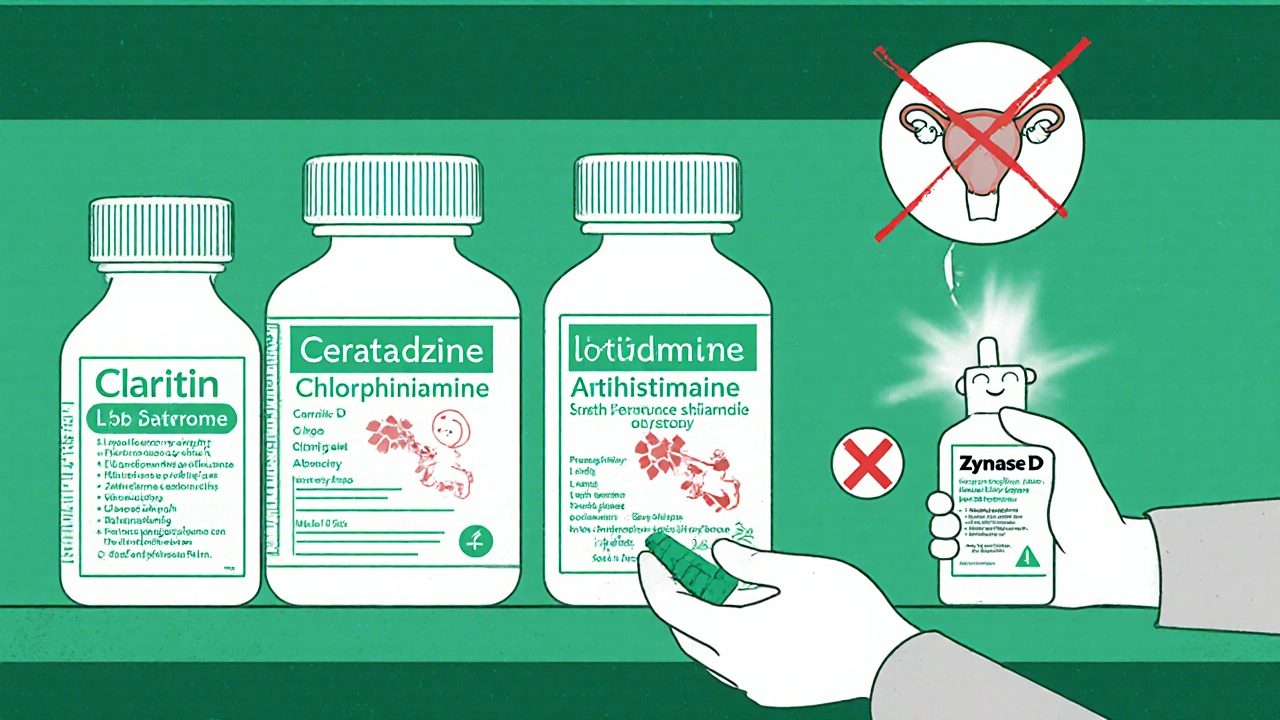
Pseudoephedrine (Sudafed) is the biggest red flag. It’s a decongestant, not an antihistamine, but it’s often combined with antihistamines in cold and allergy pills. Studies show a small but real increase in abdominal wall defects - like gastroschisis - when taken during the first trimester. ACOG says: avoid it entirely in the first 3 months. If you’re in the second or third trimester and have severe congestion, your doctor might consider it - but only at the lowest dose (30-60 mg every 4-6 hours, max 240 mg daily) and only if you don’t have high blood pressure.
Phenylephrine - another decongestant - has even less data. Don’t assume it’s safer just because it’s on the shelf. Skip it.
Combination products - like Claritin-D, Zyrtec-D, or Benadryl Allergy & Sinus - contain pseudoephedrine or phenylephrine. Even if the antihistamine part is safe, the decongestant isn’t. Read labels carefully. If it says “D” or “Sinus,” it’s not pregnancy-safe.
When to Consider Alternatives
Antihistamines aren’t your only option. For nasal symptoms - congestion, runny nose, sneezing - nasal steroid sprays are often more effective and have even stronger safety data.
Options like budesonide (Rhinocort), fluticasone (Flonase), and mometasone (Nasonex) are all classified as Category B. They work locally in the nose. Very little enters your bloodstream. That means even less reaches your baby. The AAFP gives them an evidence rating of B, same as chlorpheniramine. Many allergists now recommend these as first-line treatment for moderate to severe allergic rhinitis in pregnancy.
For itchy skin or hives, topical antihistamine creams (like diphenhydramine gel) can help. But avoid oral antihistamines unless needed. For eczema, moisturizers and mild steroid creams are often enough.
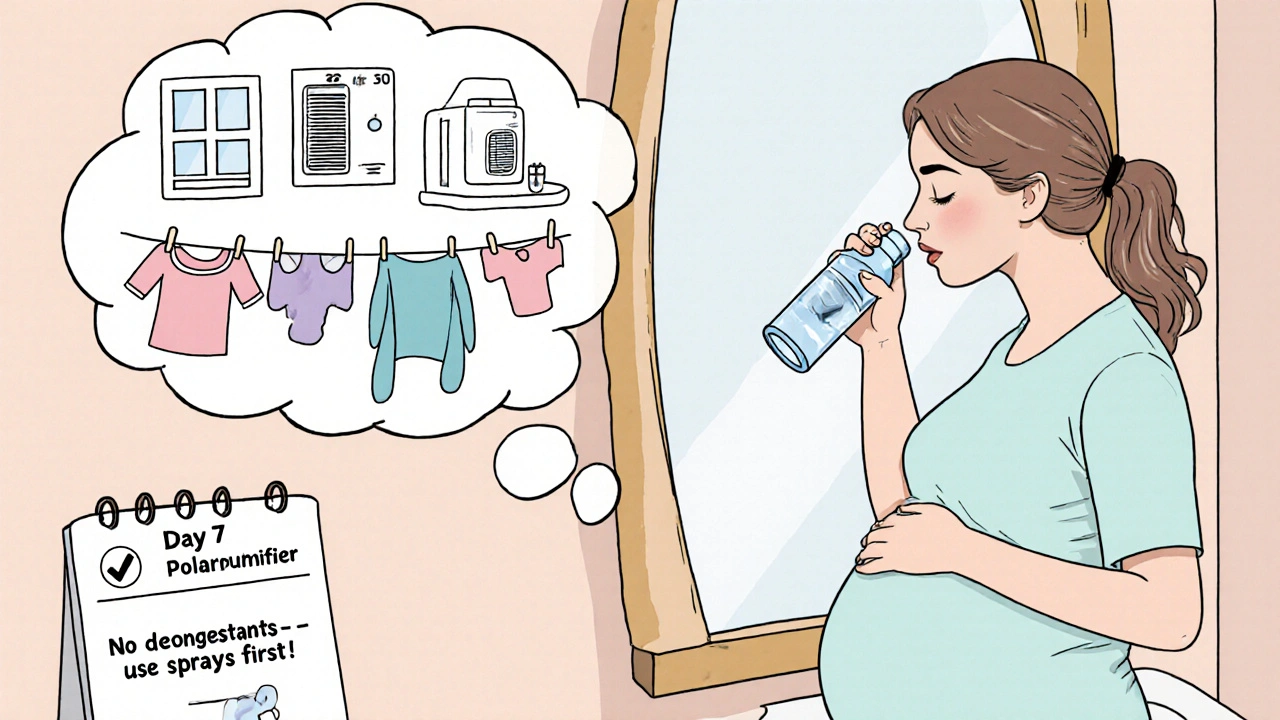
Non-medication options? Saline nasal rinses, air purifiers, keeping windows closed during high pollen season, and washing your hair before bed to remove allergens - these can cut symptoms by 30-50%. Sometimes, the simplest fixes work best.
Dosing and Timing: Less Is More
Even safe medications should be used with care. The golden rule: take the lowest effective dose for the shortest time needed.
For loratadine: 10 mg once daily. For cetirizine: 10 mg once daily. For chlorpheniramine: 4 mg every 4-6 hours, not to exceed 24 mg in 24 hours. Don’t double up. Don’t take extra doses “just in case.”
Timing matters too. If you’re taking a sedating antihistamine like chlorpheniramine, take it at night. That way, drowsiness doesn’t interfere with your day. If you’re using a nasal spray, use it consistently - not just when symptoms flare. Prevention works better than reaction.
When to Call Your Doctor
You don’t need to manage allergies alone. If your symptoms are interfering with sleep, eating, or your mental health - call your OB or allergist. Untreated allergies can lead to sinus infections, worsen asthma, or even trigger preterm labor in rare cases. The risk of uncontrolled symptoms is real.
Also, call if:
- You’ve taken an antihistamine without knowing you were pregnant
- You’re unsure if your OTC product contains a decongestant
- Your symptoms aren’t improving after a week of treatment
- You’re experiencing new side effects like rapid heartbeat, dizziness, or severe drowsiness
ACOG says it plainly: “Check with your ob-gyn before taking any over-the-counter allergy medication.” That’s not a suggestion. It’s the standard of care.
What About Future Research?
Science is still catching up. Most studies on second-generation antihistamines are retrospective - looking back at records. We need more prospective studies: tracking women from early pregnancy through birth, and beyond.
Questions remain:
- Do children exposed to cetirizine in utero have any long-term developmental differences?
- Is levocetirizine (Xyzal) or desloratadine (Clarinex) safer than cetirizine or loratadine?
- How do antihistamines interact with prenatal vitamins or other pregnancy meds?
The CDC’s National Birth Defects Prevention Study is still collecting data. New findings will likely update guidelines by 2026. For now, stick with what’s known: chlorpheniramine, loratadine, and cetirizine are your safest bets.
Bottom Line: You Can Feel Better - Safely
Pregnancy doesn’t mean you have to live with itchy eyes and a stuffed nose. There are safe, effective options. You don’t need to suffer. And you don’t need to guess.
Start with nasal steroid sprays for congestion. For itching or sneezing, pick one of the three best-studied antihistamines: chlorpheniramine, loratadine, or cetirizine. Avoid anything with “D” in the name. Skip combination products. Talk to your doctor before starting anything - even if it’s “just an OTC pill.”
And remember: your comfort matters. If allergies are keeping you awake, stopping you from eating, or making you anxious - treating them isn’t selfish. It’s necessary. Your health is your baby’s health.
Can I take Benadryl while pregnant?
Yes, diphenhydramine (Benadryl) is considered safe during pregnancy and has been used for decades without a clear link to birth defects. But it causes drowsiness, which can make pregnancy fatigue worse. It’s best taken at night. For non-sedating relief, loratadine or cetirizine are often preferred.
Is Zyrtec safe in pregnancy?
Yes, cetirizine (Zyrtec) is considered safe in pregnancy. Multiple large studies involving over 1,000 pregnancies show no increased risk of birth defects. It’s non-sedating for most people and is recommended by the Mayo Clinic and ACOG as a first-line option for mild to moderate allergy symptoms.
Can antihistamines cause miscarriage?
There is no strong evidence that antihistamines like chlorpheniramine, loratadine, or cetirizine increase the risk of miscarriage. Studies tracking pregnancy outcomes have not found a consistent link between these medications and early pregnancy loss. However, untreated severe allergies - which can lead to stress, poor sleep, or asthma flare-ups - may indirectly affect pregnancy. Managing symptoms is part of healthy prenatal care.
What’s the safest antihistamine for allergies during pregnancy?
The safest options are chlorpheniramine (first-gen), loratadine (Claritin), and cetirizine (Zyrtec). These have the most extensive safety data in pregnancy. Chlorpheniramine is the most studied overall, but it causes drowsiness. Loratadine and cetirizine are non-sedating and preferred by many doctors for daily use. Always use the lowest effective dose.
Can I take Claritin-D while pregnant?
No. Claritin-D contains pseudoephedrine, a decongestant linked to a small increased risk of abdominal wall birth defects if taken during the first trimester. Avoid all “D” products during pregnancy. Use plain Claritin (loratadine) instead, and add a nasal steroid spray if you need help with congestion.
Are nasal sprays safer than oral antihistamines in pregnancy?
Yes, nasal steroid sprays like fluticasone (Flonase), budesonide (Rhinocort), and mometasone (Nasonex) are often safer and more effective for nasal symptoms. They work locally in the nose, with minimal absorption into the bloodstream. They’re recommended as first-line treatment for moderate to severe allergic rhinitis in pregnancy and have stronger safety data than many oral antihistamines.





November 18, 2025 AT 15:23
so i took zyrtec-d last week bc i was desperate and now i’m just waiting for my baby to be born with 3 eyes lmao 🤡