
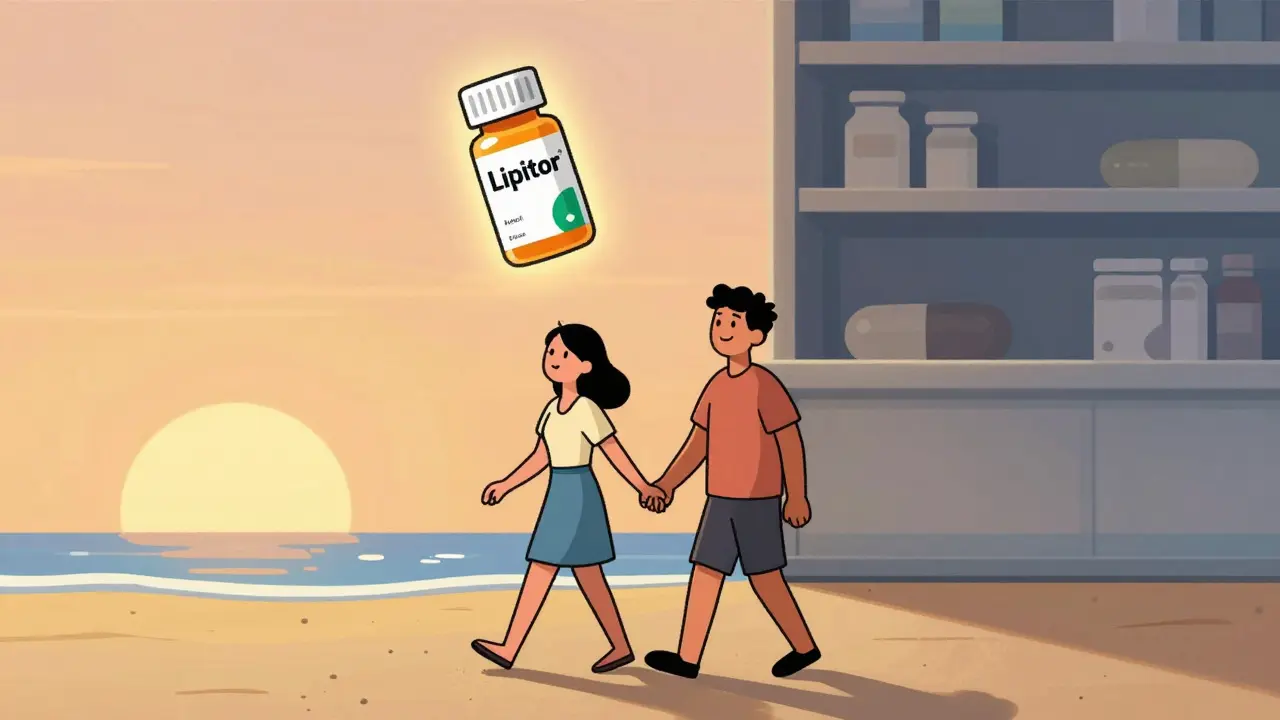
When you see a TV ad for a new cholesterol drug, the visuals are calming: sunsets over golf courses, couples laughing on beach walks, people hiking with dogs. The voiceover says, "Say goodbye to high cholesterol with Lipitor." But what you don’t hear is that the same active ingredient, at 90% less cost, is sitting on the pharmacy shelf as a generic. This isn’t an accident. It’s marketing design.
Advertising Doesn’t Just Sell Drugs - It Rewires Preferences
In the U.S., pharmaceutical companies spent $6.58 billion on direct-to-consumer (DTC) ads in 2020. That’s more than ten times what they spent in 1996. And it’s working. For every dollar spent on these ads, companies get over $4 in sales. But here’s the twist: most of that money isn’t going toward selling generics. It’s selling the brand. Studies show that when patients see an ad for a branded drug like Lipitor, they don’t just ask for Lipitor. They ask for that kind of treatment. Doctors, caught off guard, often prescribe a generic version of the same drug class - like atorvastatin - because it’s cheaper and just as effective. This is called the "spillover effect." Advertising for branded drugs ends up boosting generic use, but only indirectly. The patient still believes they’re getting the "better" option. The generic is just the fallback.Why Patients Trust Ads More Than Their Doctors
A 2005 study in JAMA found that when patients asked for a specific drug they’d seen on TV, doctors prescribed it 80% of the time - even when the doctor thought it wasn’t the best choice. In another survey, physicians reported filling 69% of patient requests for treatments they considered inappropriate. That’s not about medical need. That’s about influence. These ads don’t just inform. They create emotional associations. A 2025 analysis of 230 drug ads found that scenes of happy families, outdoor activity, and serene environments lasted longer than any mention of side effects. The average ad showed risk information for less than five seconds. Meanwhile, the branded name appeared 12 to 18 times. The brain doesn’t process risk the same way it processes emotion. So when a patient says, "I saw this on TV, and it looked so good," they’re not being irrational. They’re responding to the most memorable part of the message.Generics Get Left in the Shadows
Generic drugs are chemically identical to their branded counterparts. They go through the same FDA approval process. They’re tested for the same safety and effectiveness. But you’ll never see a TV ad for generic atorvastatin. Why? Because there’s no profit in it. Once a drug goes generic, multiple manufacturers make it. No single company owns the brand. No company pays to advertise it. So here’s the imbalance: branded drugs get flashy, emotional, repeated ads. Generics get silence. And silence becomes invisibility. Patients don’t know generics exist. Or worse - they think they’re "second-rate." A 2023 USC Schaeffer Center study found that patients exposed to DTC ads were significantly less likely to believe generics were as effective as branded drugs - even when told otherwise by their doctor.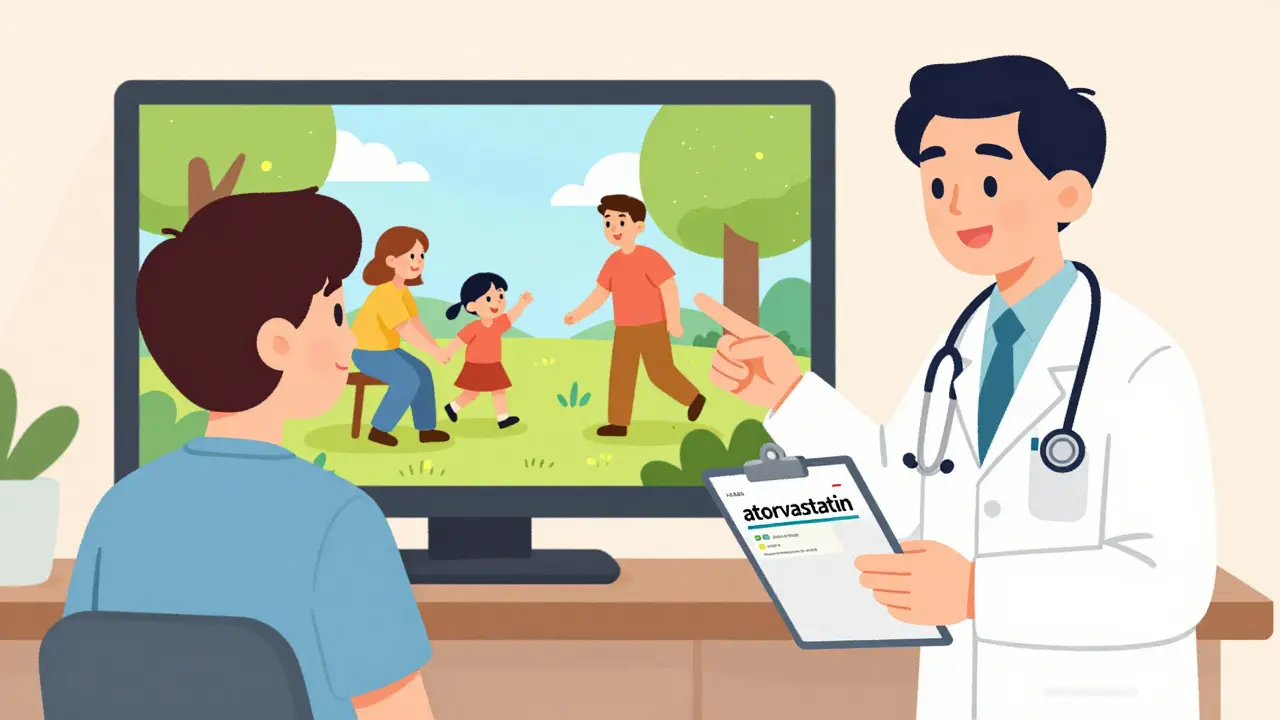
The Compliance Problem
You might think more ads mean more people taking their meds. And yes, advertising does increase prescriptions. But not always for the right reasons. Research from Wharton shows that patients who start a drug because of an ad are less likely to stick with it long-term. Their adherence is lower than patients who started treatment based on clinical need. Why? Because the ad didn’t create a medical decision. It created a momentary desire. When side effects show up - or when the novelty wears off - these patients are quicker to quit. The ad didn’t build trust. It built curiosity. And curiosity doesn’t last. Meanwhile, patients who were prescribed a generic because their doctor recommended it? They stick with it. Not because the drug is better. Because they trust the process.The FDA’s Dilemma
The FDA requires that ads include risk information. But here’s the catch: their own 2018 study found that even after four exposures, people remembered less than half the risks. And risk information? It took more repeats to stick than benefit claims. That means the most important part of the message - the part that should help people make balanced choices - is the part they forget fastest. The FDA also requires ads to only promote approved uses. But they don’t require ads to mention generics. Or compare prices. Or explain that a cheaper version exists. That’s not illegal. It’s just... missing. In countries like Canada, Australia, and the UK, DTC ads for prescription drugs are banned. Patients there don’t ask for brand names. They ask for conditions. Their doctors prescribe based on clinical guidelines - not commercials. And in those countries, generic use is higher, and drug spending is lower.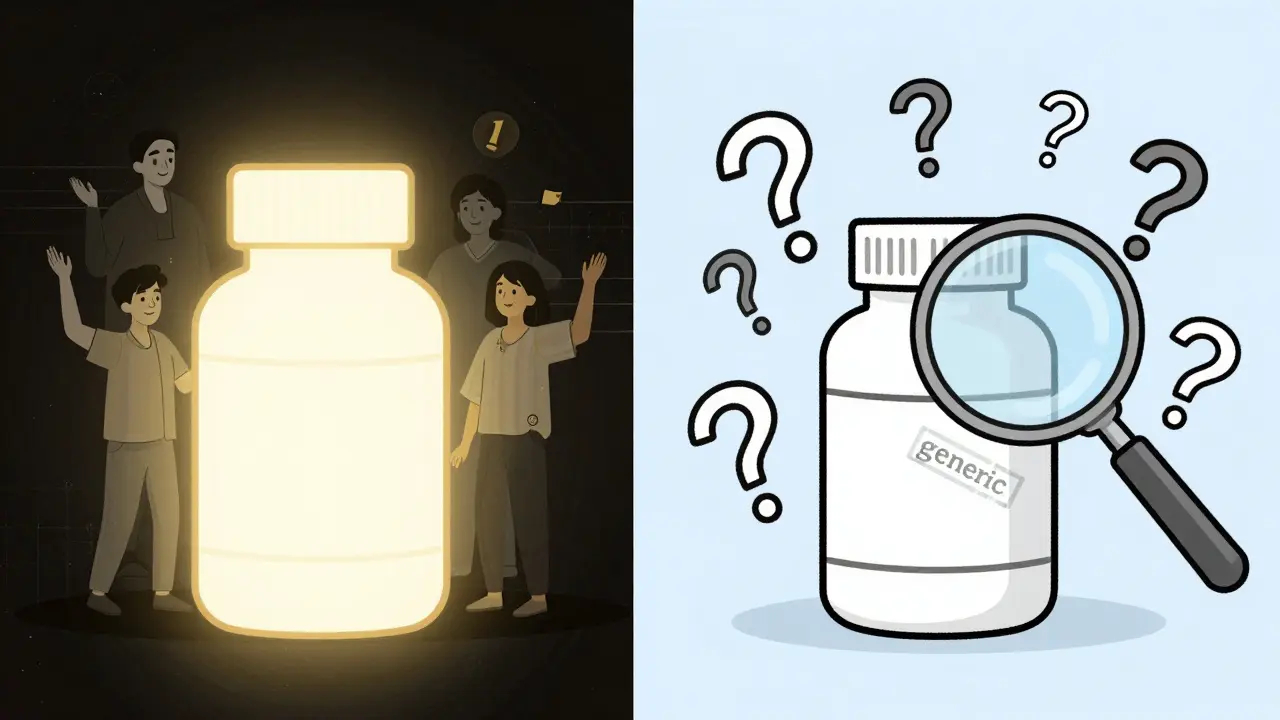
What This Means for You
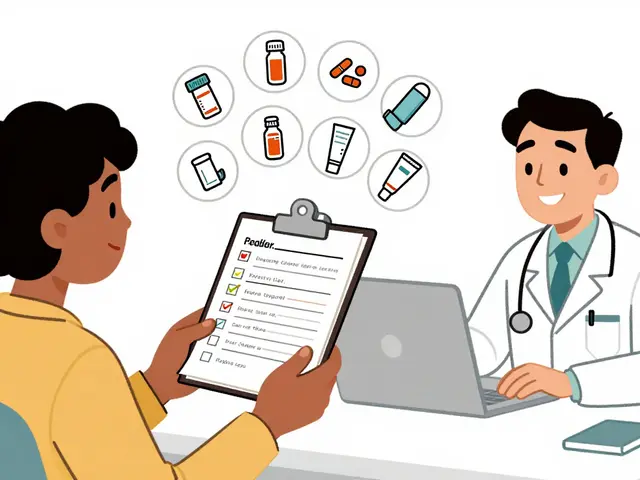
If you’ve ever asked your doctor for a drug you saw on TV, you’re not alone. But you might be paying more than you need to. Generics aren’t "cheap versions." They’re the same medicine, sold without the marketing budget. The active ingredient? Identical. The effectiveness? The same. The side effects? Identical too. The next time you see an ad for a branded drug, pause. Ask yourself: Is this the best option for me? Or is it the most advertised one? Ask your doctor: "Is there a generic version?" If they say no, ask why. If they say yes, ask if it’s right for you - not because it’s cheaper, but because it’s just as good. You don’t need to avoid branded drugs. But you shouldn’t assume they’re better just because they’re on TV.Why the System Won’t Change Soon
Pharmaceutical companies have a $6.5 billion-a-year incentive to keep advertising the way they do. And the system rewards them. More ads = more prescriptions = more revenue. Even if those prescriptions go to generics, the brand name is what drove the request. The system is designed to make branded drugs the default expectation. Regulators know this. But changing the rules means fighting billion-dollar campaigns. And without public pressure, change moves slowly. The FDA has considered requiring ads to mention generic alternatives - but nothing’s been mandated yet. The real shift will come when patients stop asking for brand names and start asking for value.What You Can Do Right Now
- Don’t assume a branded drug is better. Ask if a generic is available and appropriate.
- When your doctor prescribes a new drug, ask: "Is there a generic version? How much will it cost?"
- If you see a drug ad, write down the drug name. Later, search for its generic equivalent. You’ll often find it’s the same thing.
- Be skeptical of emotional imagery in ads. It’s not there to educate. It’s there to sell.
- Support policies that require transparency in drug advertising - including cost and generic alternatives.
Medication isn’t a product you buy because it looks nice on TV. It’s a tool for your health. And tools don’t get better because they have a fancy name.




January 17, 2026 AT 10:41
Wow. Just... wow. 🤯 I never thought about how ads make us feel like we're buying happiness, not medicine. That sunset shot with the dog? That's not healthcare. That's a Pixar movie with a pill. And yet, I asked my doc for Lipitor last year. 😅