
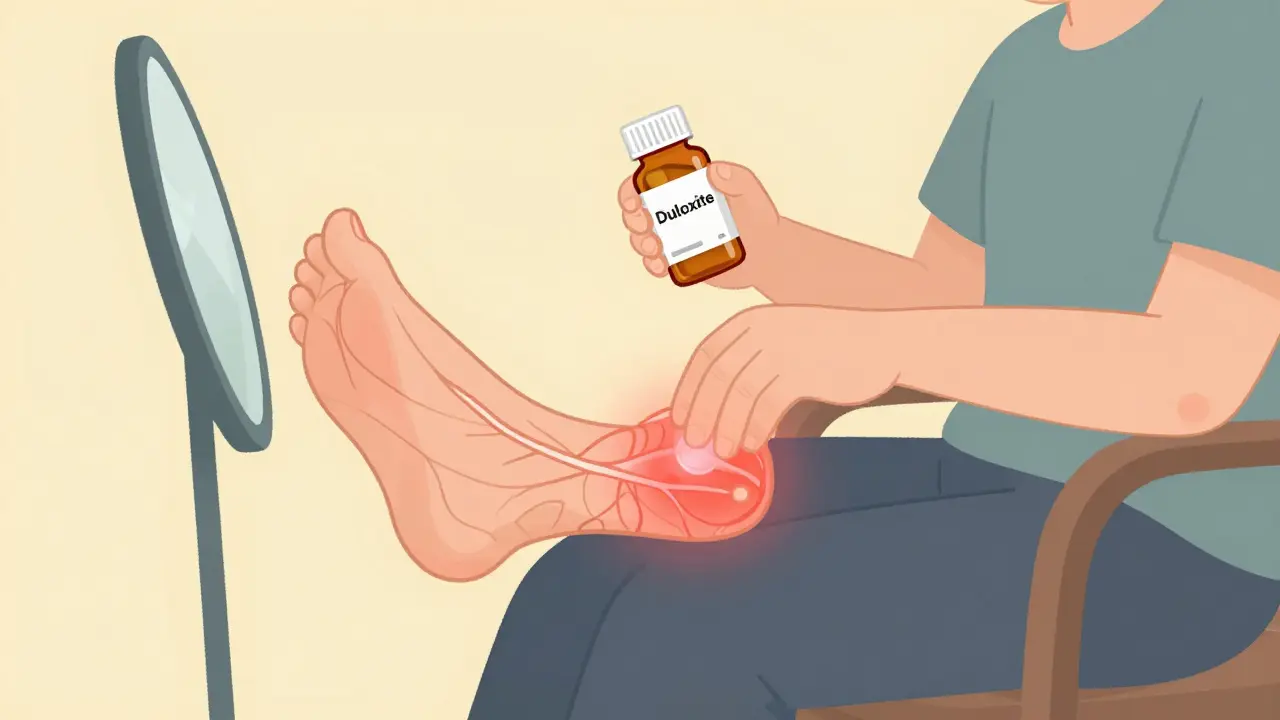
Living with diabetic neuropathy pain isn’t just about discomfort-it’s about losing control. The burning, tingling, or stabbing sensations in your feet can turn simple walks into agony. And if you’re like many people with diabetes, you’ve probably tried everything: creams, massages, even over-the-counter painkillers-only to find they barely help. The truth? Diabetic neuropathy pain doesn’t go away on its own. But it can be managed. Not cured. Not reversed. But controlled. And that’s where the right medications and daily foot care make all the difference.
What You’re Really Dealing With
Diabetic neuropathy isn’t one thing. It’s nerve damage caused by years of high blood sugar. Over time, those elevated glucose levels wreck the tiny nerves that carry signals from your feet and legs back to your brain. The result? Pain, numbness, or worse-complete loss of feeling. About half of all people with diabetes develop some form of nerve damage. Of those, 1 in 4 experience real, persistent pain. That’s millions of people worldwide dealing with this daily. The scary part? You might not feel a blister forming on your foot. Or a cut that’s getting infected. That’s why pain isn’t the only problem-it’s the warning system that’s broken. And without proper care, those unnoticed injuries can lead to ulcers, infections, and even amputations.Medications That Actually Work (And Which Ones to Avoid)
There are four FDA-approved drugs specifically for diabetic neuropathy pain. That’s it. No more, no less. Everything else is off-label-used because doctors have seen it help, even if it wasn’t originally meant for this.- Duloxetine (Cymbalta): This is an SNRI antidepressant. It’s not just for depression-it works on the brain’s pain pathways. Dose: 60mg daily. Benefits? It helps with pain and mood. About 1 in 3 people with diabetic neuropathy also struggle with depression. Duloxetine tackles both. Side effects? Nausea, dry mouth, weight gain. But many users report feeling more like themselves again.
- Pregabalin (Lyrica): A gabapentinoid. It calms overactive nerves. Dose: 75-150mg daily, split into two or three doses. Works fast-some feel relief in 48 hours. But it comes with a cost: dizziness (30% of users), sleepiness (20%), and swelling in the legs. It’s also a controlled substance. And at $300+ a month even with insurance, it’s not affordable for everyone.
- Tapentadol extended-release (Nucynta ER): An opioid-like painkiller. Used only when other options fail. It’s strong, but carries addiction risks. The CDC warns against long-term opioid use for chronic pain. Only consider this if your pain is severe and nothing else works.
- 8% capsaicin patch (Qutenza): This isn’t a pill. It’s a patch applied directly to your feet by a doctor. It burns. Yes, really. The heat destroys the pain-signaling nerves in the skin. Relief lasts up to 3 months. Many patients say it cuts foot pain by 70%. But the application? Painful. You’ll feel a burning sensation for up to an hour. Worth it? For some, yes.
- Gabapentin: Cheaper than pregabalin-around $4 for 90 capsules. Dose: 300-3600mg daily. Slower to work, but many find it effective. Side effects: dizziness, fatigue.
- Amitriptyline: A tricyclic antidepressant. First-line choice in many countries. Dose: 10-100mg at night. Helps with pain and sleep. But dry mouth, constipation, and drowsiness are common. Not for people with heart problems.
- 5% lidocaine patches (Lidoderm): Patch on the painful area. No systemic side effects. Good for localized pain. Can be used with oral meds.
Choosing the Right Medication: It’s Personal
There’s no one-size-fits-all. Your doctor won’t just pick the most expensive drug. They’ll look at your whole picture:- Do you have depression or trouble sleeping? Duloxetine or amitriptyline might be best.
- Do you have kidney issues? Avoid gabapentin and pregabalin-they’re cleared by the kidneys. Doses must be lowered.
- Are you over 45? Amitriptyline can affect heart rhythm. An ECG may be needed.
- What’s your budget? Gabapentin costs $4. Duloxetine generics are $15. Pregabalin? Over $300. Insurance often requires prior authorization. Many patients drop out because they can’t afford it.
Foot Care: The Most Important Treatment You’re Probably Skipping
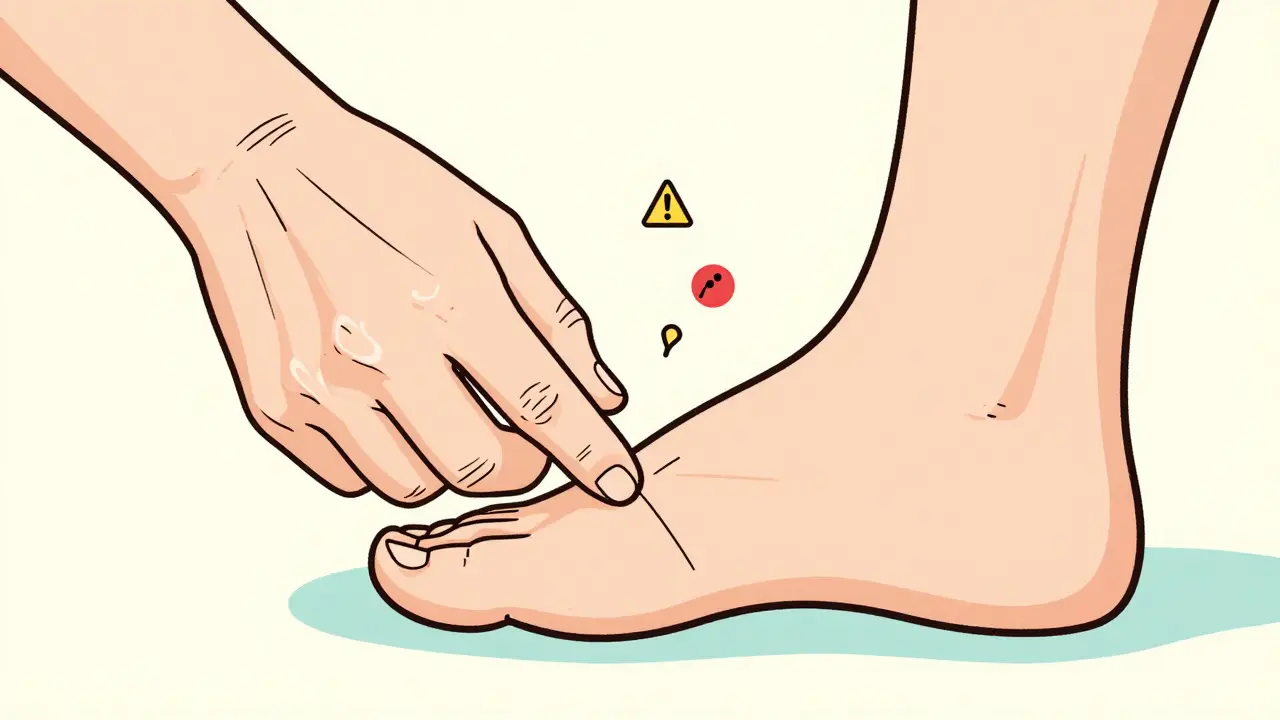
Medications help with pain. But foot care keeps you from losing your feet. Every single day, you need to check your feet. Not just look. Touch. Feel. Run your fingers over your soles, between your toes. Look for:- Cuts, blisters, or red spots
- Swelling or warmth
- Ingrown toenails
- Changes in skin color (blue, black, or pale)
Real Stories: What Works and What Doesn’t
One man in Melbourne, 67, had been on gabapentin for 18 months. His pain was down 40%, but he was too dizzy to walk without a cane. He switched to duloxetine. Within 6 weeks, his pain dropped 65%. He stopped using the cane. He also slept better and felt less down. A woman in Sydney tried the capsaicin patch. She said the application felt like her feet were on fire. But after 3 months, she had no pain. She could finally wear shoes again. She didn’t need painkillers anymore. Another patient took amitriptyline for 3 months. The pain improved, but she couldn’t stop the dry mouth. She stopped taking it. Her pain came back. She’s now trying pregabalin, but the cost is crushing her. The pattern? People who stick with treatment and do daily foot care have the best outcomes. Those who skip foot checks? They end up in the hospital.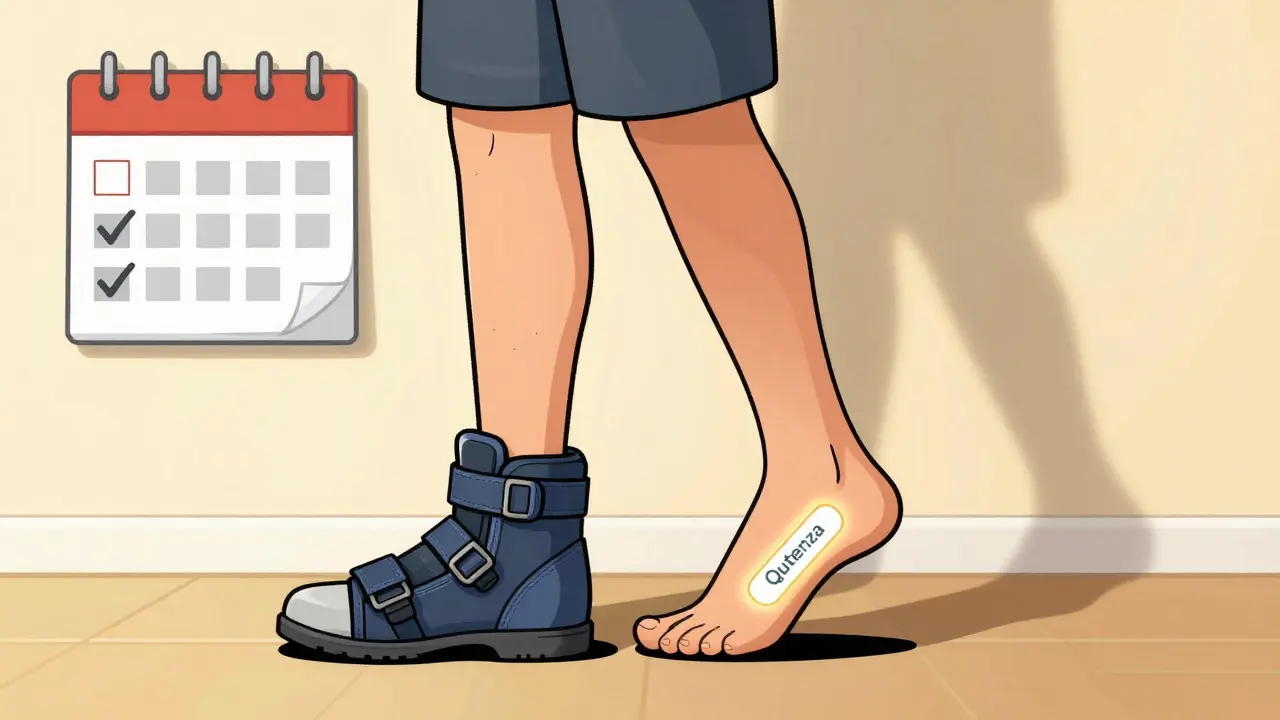
What’s Next? New Hope on the Horizon
The field is moving fast. In 2023, the FDA accepted a new drug called mirogabalin. Early results show 42% pain reduction. It’s not on the market yet, but it’s coming. Researchers are also testing combinations. One study added N-acetylcysteine to pregabalin. Pain dropped by 100% more than pregabalin alone. That’s huge. And there’s precision medicine. Genetic tests can now tell if you’re likely to respond to duloxetine. If your body breaks it down too fast, your doctor can adjust the dose-or pick something else. But none of this replaces daily foot care. No matter how good the next drug is, you still need to check your feet every day.Bottom Line: You Can Live Better
Diabetic neuropathy pain is real. It’s not in your head. And it’s not hopeless. You don’t need to suffer in silence. Start with the basics:- See your doctor. Get the right medication. Don’t give up if the first one doesn’t work.
- Check your feet every single day. No excuses.
- Wear proper shoes. Always.
- Get your feet professionally checked once a year.
- Keep your blood sugar in target range. It’s the only way to stop this from getting worse.
Can diabetic neuropathy pain be cured?
No, there is currently no treatment that can reverse nerve damage caused by diabetes. The goal of treatment is to manage pain, slow progression, and prevent complications like foot ulcers. Medications and foot care help you live better, but they don’t cure the underlying nerve damage.
What’s the best medication for diabetic neuropathy pain?
There’s no single "best" medication-it depends on your health, budget, and side effect tolerance. Duloxetine is often preferred because it helps with pain and depression. Pregabalin works quickly but is expensive and causes dizziness. Gabapentin is cheaper and effective for many. Your doctor will match the drug to your needs.
Why can’t I use ibuprofen for my foot pain?
NSAIDs like ibuprofen increase the risk of acute kidney injury in people with diabetes-by more than double. Your kidneys are already at risk from high blood sugar. Adding NSAIDs can push them into failure. Even short-term use isn’t safe. Stick to neuropathy-specific medications instead.
How often should I check my feet?
Every single day. Look for cuts, blisters, swelling, redness, or changes in skin color. Use a mirror if you can’t see the bottom of your feet. Don’t wait for pain-nerve damage means you might not feel an injury until it’s serious. Daily checks are the #1 way to prevent ulcers and amputations.
Do I need special shoes?
Yes-if you have numbness or foot deformities, custom diabetic shoes are essential. They reduce pressure points that cause ulcers. Medicare and many private insurers cover them with a doctor’s prescription. Regular shoes can cause invisible damage. Don’t risk it.
What should I do if I find a cut on my foot?
Clean it gently with soap and water. Apply antibiotic ointment. Cover it with a sterile bandage. Do NOT walk on it. Call your doctor immediately-even if it looks small. Diabetic foot ulcers can turn serious in days. Early treatment prevents amputations.




December 22, 2025 AT 04:45
I swear this is all a Big Pharma scam 😤 I got my neuropathy from 5G towers and glyphosate in the corn syrup... but hey, take your Lyrica and call me in the morning 🤡💉 #WakeUpSheeple