The Quick Breakdown of Parkinson's Management
- Core Problem: A critical shortage of dopamine in the brain's motor control centers.
- Main Symptoms: Shaking (tremors), stiffness (rigidity), and slow movement (bradykinesia).
- Primary Solution: Dopamine replacement therapy to mimic the missing brain chemicals.
- Golden Rule: "Start low, go slow" with medication to minimize side effects.
- Key Warning: High-protein meals can block the absorption of common medications.
Why Your Body Stops Following Orders
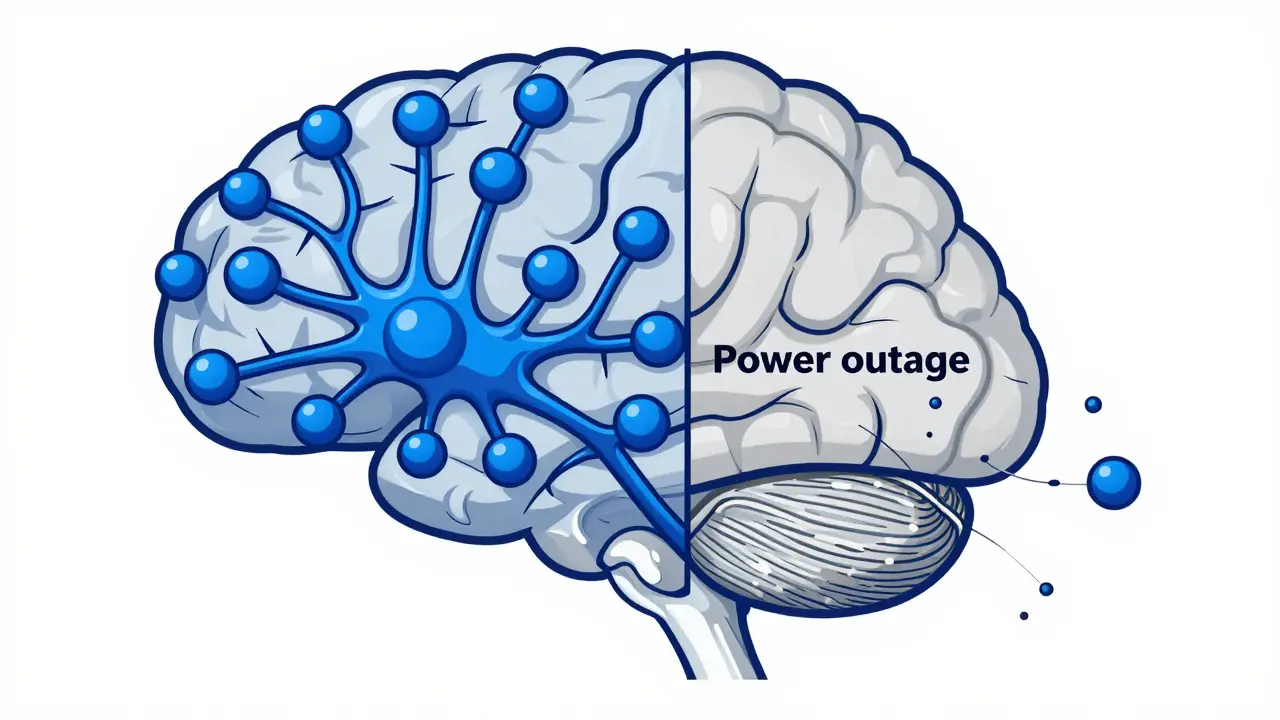
Your brain uses a chemical called Dopamine is a neurotransmitter that acts as a chemical messenger to regulate smooth, purposeful muscle movements to tell your limbs how to move. In a healthy brain, dopamine flows through the Basal Ganglia is a group of nuclei in the brain that act as a gateway for motor control and movement coordination. When these neurons die off-specifically in the substantia nigra-the signal gets jammed.
By the time you actually notice a tremor or stiffness, your brain has typically already lost 60% to 80% of its dopamine-producing cells. This creates a biological "power outage" where the direct and indirect pathways that regulate movement can no longer communicate. This is why the disease is progressive; as more cells vanish, the symptoms become more obvious and harder to ignore.
Breaking Down the Motor Symptoms
Not everyone with Parkinson's looks the same. Some struggle with a shake, while others feel like they are moving through molasses. The four primary motor symptoms usually appear in a specific pattern.
First, there's the Resting Tremor is an involuntary shaking that occurs when a muscle is relaxed, typically affecting one hand or arm first. You might see a "pill-rolling" motion where the thumb and index finger rub together. It's a strange quirk that the tremor often vanishes the moment you reach for a cup of coffee, only to return once you set it down. Stress and fatigue usually make this shake worse.
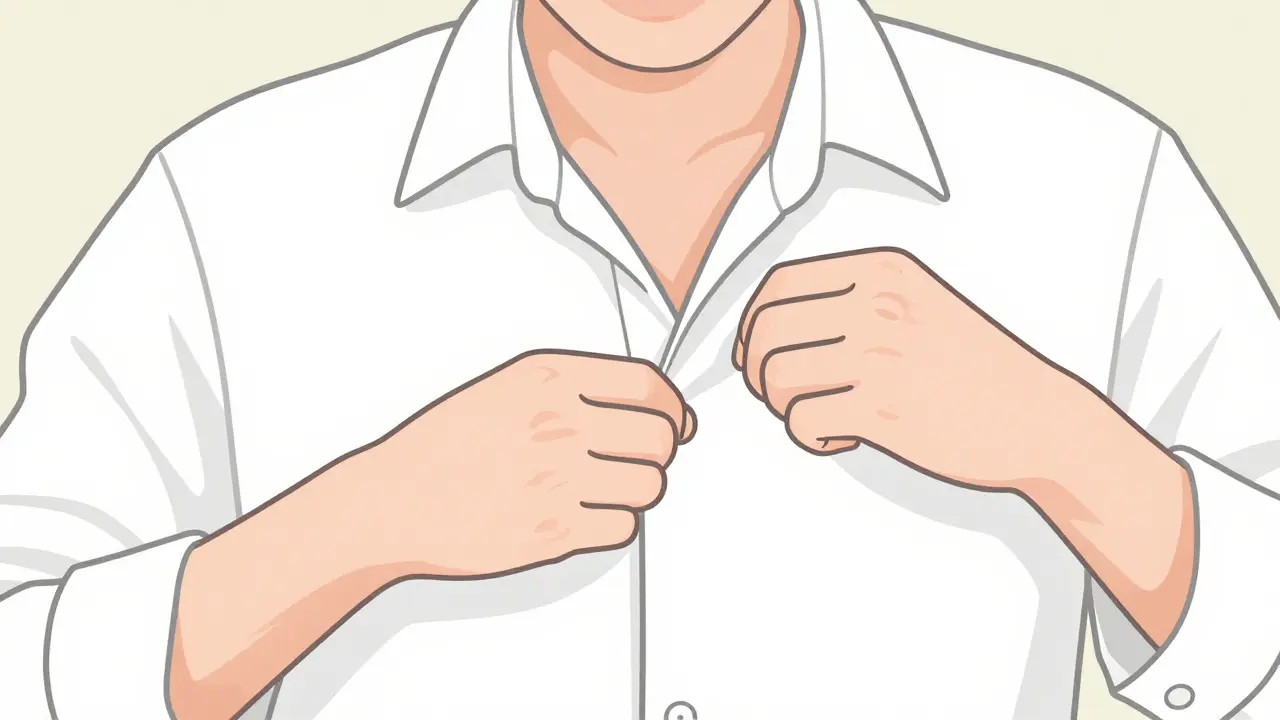
Then there's the stiffness, known as Muscle Rigidity is increased muscle tone that causes resistance to passive movement, often described as cogwheel or lead-pipe rigidity. This isn't just "sore muscles." It's a constant tension that can lead to painful cramps (dystonia). For many, this is the most frustrating part because it ruins fine motor skills. Around 73% of patients find that basic tasks like tying shoelaces become nearly impossible within the first three years of diagnosis.
Finally, you have bradykinesia (slowness of movement) and postural instability. These often manifest as a "shuffling gait" or a feeling of being tilted, which significantly increases the risk of falls.
Dopamine Replacement: Filling the Gap
Since the brain can't make its own dopamine, the goal is to put it back in. This is called dopamine replacement therapy. However, you can't just take a dopamine pill because dopamine can't cross the blood-brain barrier-it's too "bulky" to get into the brain from the bloodstream.
Enter Levodopa is a precursor to dopamine that can cross the blood-brain barrier and be converted into dopamine by the brain's remaining neurons. On its own, levodopa is a bit chaotic; your body tries to convert it into dopamine before it even hits your brain, which leads to intense nausea. To stop this, doctors combine it with Carbidopa is a medication that prevents the peripheral conversion of levodopa, ensuring more of the drug reaches the brain. This 4:1 ratio is the gold standard for treatment.
| Treatment Type | Primary Example | Effectiveness | Main Pro | Main Con |
|---|---|---|---|---|
| Levodopa Combination | Carbidopa/Levodopa | Very High (70%+) | Rapid symptom relief | Risk of dyskinesia over time |
| Dopamine Agonists | Pramipexole | Moderate (30-50%) | Lower risk of early shakes | Less potent motor control |
| Extended Release | Rytary | High | Twice-daily dosing | Significantly higher cost |
The "Honeymoon Period" and the Wall
When you first start levodopa, it often feels like a miracle. This is the "honeymoon period," where motor functions improve drastically, sometimes by up to 70%. You might feel like your old self again for a few years. But the brain is a stubborn organ. After 5 to 10 years, the therapy starts to lose its predictability.
Many patients hit a wall known as "wearing-off." This is when the drug wears off before it's time for the next dose, leaving you stranded in a state of stiffness. Some experience "on-off" fluctuations, where the medication simply stops working for a period without warning. Even worse, some develop Dyskinesia is involuntary, erratic, dance-like movements caused by long-term use of levodopa. In a cruel irony, the very medication that stopped the tremor can eventually cause a different, more chaotic type of movement.
Real-World Hurdles: Protein and Timing
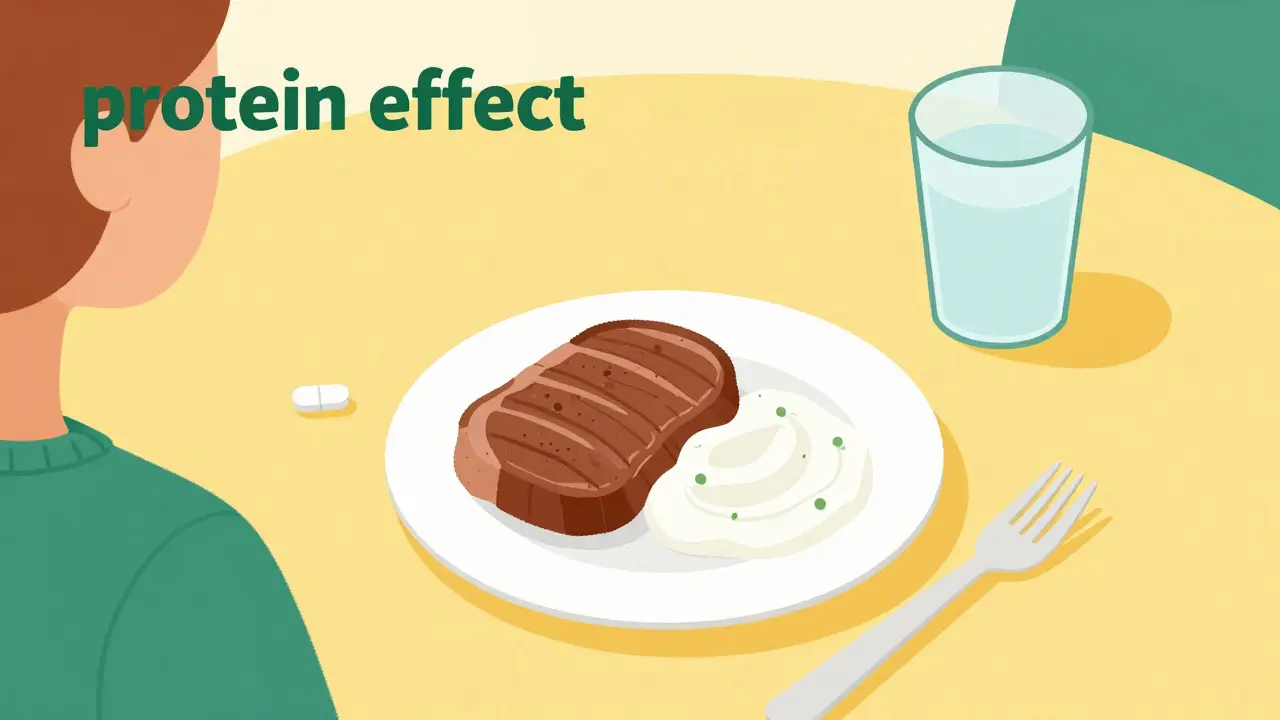
Taking the meds is only half the battle. There's a biological tug-of-war happening in your gut. Many patients talk about the "protein effect." If you eat a big steak or a bowl of Greek yogurt right when you take your levodopa, the amino acids in the protein compete with the medication for absorption. The result? The medicine doesn't reach your brain, and your symptoms return.
Managing this requires a strict schedule. You might find yourself taking medication 30 to 60 minutes before a meal or delaying protein until later in the day. This is why medication timing is often the most stressful part of the day for patients. It turns a simple meal into a strategic operation.
The Future of Movement Control
We are moving toward a more personalized approach. We now know that genetic variants in enzymes like COMT and MAO-B can predict how a person will respond to specific drugs. This means the "one size fits all" dosage is dead. Doctors are now using a "start low, go slow" method to stretch out the honeymoon period as long as possible.
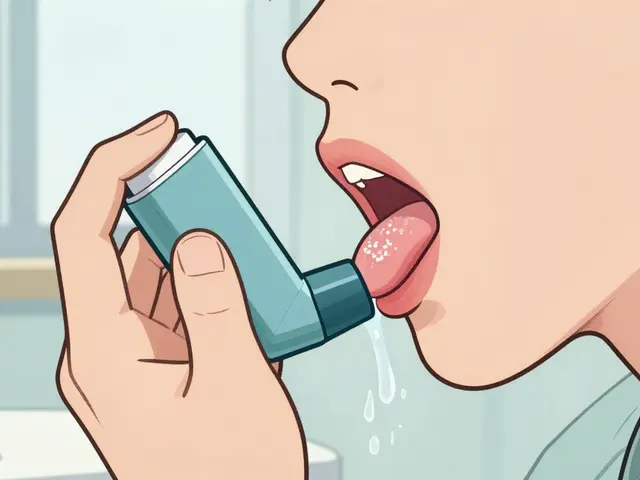
There are also new ways to get the drug into the system. Inbrija, an inhaled powder, can stop an "off" episode in as little as 10 minutes. Even more promising are subcutaneous infusions-essentially a pump that delivers a steady stream of dopamine-which avoids the peaks and valleys of oral pills. While gene therapy is still in the lab, the goal is clear: move from treating symptoms to fixing the underlying biological failure.
Can Parkinson's be cured with dopamine replacement?
No, dopamine replacement therapy cannot cure Parkinson's. It is a symptomatic treatment. It replaces the missing dopamine to help you move better and feel more normal, but it does not stop the underlying degeneration of the neurons in the brain.
Why do I need Carbidopa with my Levodopa?
If you took levodopa alone, your body would convert most of it into dopamine in your blood and gut before it ever reached your brain. This would cause severe nausea and vomiting while leaving your brain starved for dopamine. Carbidopa blocks that conversion in the body, acting as a bodyguard that escorts the levodopa safely into the brain.
What is the "protein effect" and how do I manage it?
Protein-rich foods contain amino acids that use the same "transport lanes" as levodopa to get into the brain. If you eat too much protein at the same time you take your meds, the protein wins and the medication is blocked. To manage this, try timing your medication at least 30-60 minutes before eating a high-protein meal.
What are the signs that my medication is "wearing off"?
Wearing-off happens when the drug's effect fades before your next scheduled dose. You'll notice a return of stiffness, a resurgence of tremors, or a sudden inability to move your legs. This usually happens after several years of treatment and often requires a dose adjustment or a change in medication frequency.
Are there alternatives to Levodopa?
Yes. Dopamine agonists (like pramipexole or ropinirole) stimulate dopamine receptors directly without needing to be converted. They are generally less potent than levodopa but have a lower risk of causing dyskinesias early on. Some patients use a combination of both to balance effectiveness and side effects.