ADHD Meds: What Works, What to Watch For, and How to Stay Safe
When people talk about ADHD meds, prescription drugs used to manage attention deficit hyperactivity disorder by improving focus and reducing impulsivity. Also known as ADHD treatment drugs, they’re among the most prescribed medications for children and adults who struggle with concentration, restlessness, or disorganization. These aren’t just quick fixes—they’re tools that, when used right, can change daily life. But they’re not one-size-fits-all. Some are stimulants, others aren’t. Some work fast, others build up slowly. And not everyone responds the same way.
Stimulant medications like methylphenidate and amphetamines are the most common. They boost brain chemicals linked to attention and impulse control. But they can cause trouble too—sleep loss, appetite drops, or even increased heart rate. That’s why many people turn to non-stimulant ADHD drugs, medications like atomoxetine or guanfacine that work differently and don’t carry the same risk of abuse or jitteriness. These take longer to kick in, but they’re often better for people who can’t tolerate stimulants or have a history of substance issues. And then there’s the matter of side effects. Some folks feel fine on one drug, but get headaches or nausea on another. It’s not about finding the "best" ADHD med—it’s about finding the one that fits your body, your lifestyle, and your goals.
What you won’t find in most doctor’s offices is a clear map of what to do when the first pill doesn’t work. That’s where real-world experience matters. People switch meds. They adjust doses. They combine meds with behavior strategies. Some even stop and try again later. The posts below cover exactly that: real stories, real data, and real choices. You’ll see how people manage side effects, compare brand names to generics, and handle the confusion that comes with trying to balance effectiveness and safety. Whether you’re new to ADHD meds or have been on them for years, you’ll find practical advice that doesn’t talk down to you.
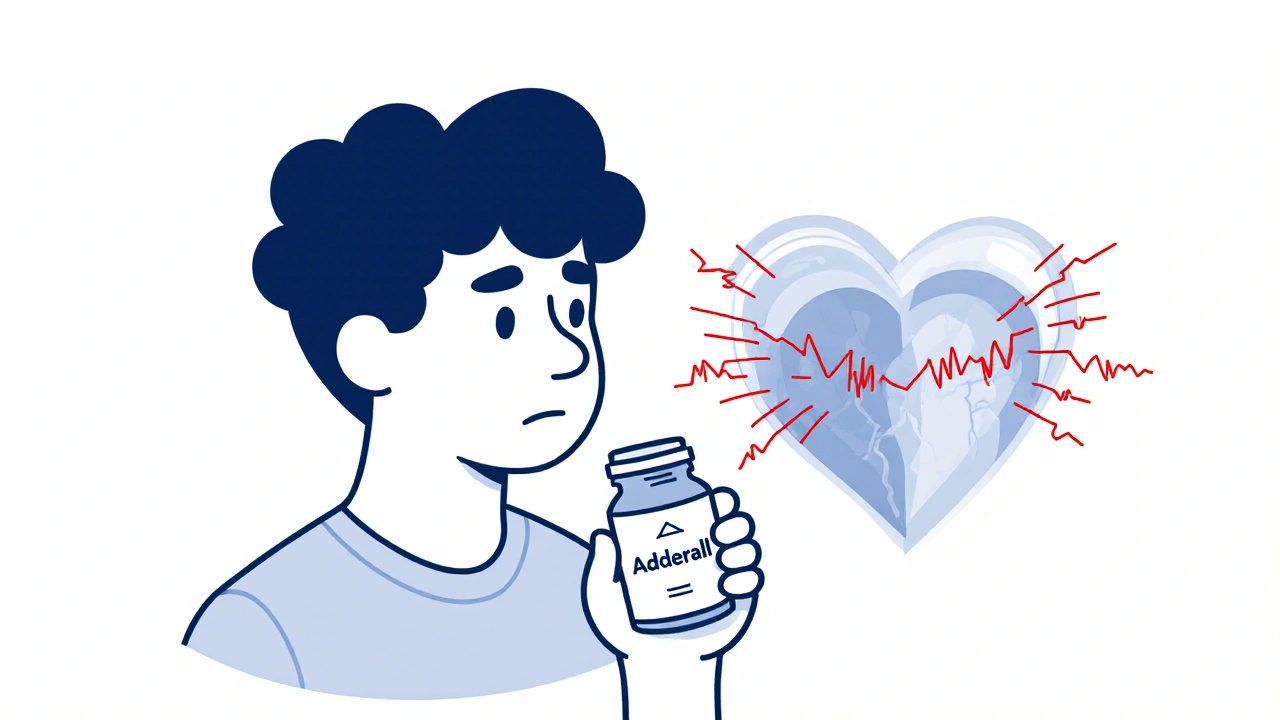
Stimulants for ADHD can improve focus but carry a small risk of cardiac arrhythmias. Learn who’s at risk, how to assess heart health, and what non-stimulant alternatives actually work.