Cardiac Arrhythmias: Causes, Risks, and What You Can Do
When your heart skips a beat, races too fast, or flutters oddly, you’re likely experiencing a cardiac arrhythmia, an abnormal heart rhythm caused by disrupted electrical signals in the heart. Also known as heart rhythm disorder, it’s not always dangerous—but ignoring it can be. Many people brush off occasional palpitations as stress or caffeine, but some arrhythmias signal serious problems like heart failure, stroke, or sudden cardiac arrest.
Atrial fibrillation, the most common type of cardiac arrhythmia, where the upper chambers of the heart beat irregularly and often too fast affects over 33 million people worldwide. It doesn’t always cause symptoms, but it raises your stroke risk fivefold. Then there’s ventricular tachycardia, a rapid heartbeat originating in the lower chambers, which can turn deadly without quick treatment. These aren’t just medical terms—they’re real conditions that show up in ERs, clinics, and your own chest.
What triggers these rhythms? It could be high blood pressure, thyroid issues, electrolyte imbalances, or even something as simple as too much alcohol or energy drinks. Some people have genetic risks, like those with elevated lipoprotein(a) levels, which also show up in your heart health records. Medications—like statins or antibiotics such as moxifloxacin—can sometimes throw off your rhythm too. And if you’re taking supplements like creatine, monitoring kidney function matters because poor kidney health can alter electrolyte levels and worsen arrhythmias.
Diagnosis isn’t always easy. A standard ECG might catch it, but if your arrhythmia comes and goes, you might need a Holter monitor or even an implantable loop recorder. Treatment ranges from simple lifestyle changes—cutting back on caffeine, managing stress—to medications like beta-blockers or antiarrhythmics. In severe cases, a pacemaker or ablation procedure can restore normal rhythm. The key isn’t just treating the rhythm—it’s understanding why it happened in the first place.
You’ll find real-world advice here: how to spot warning signs before they become emergencies, which drugs to avoid if you’re prone to arrhythmias, and what tests actually matter. You’ll see how people manage these conditions daily—not just what doctors say, but what works in practice. Whether you’re dealing with occasional fluttering or have been diagnosed with a chronic rhythm disorder, the posts below give you clear, no-fluff guidance on what to do next.
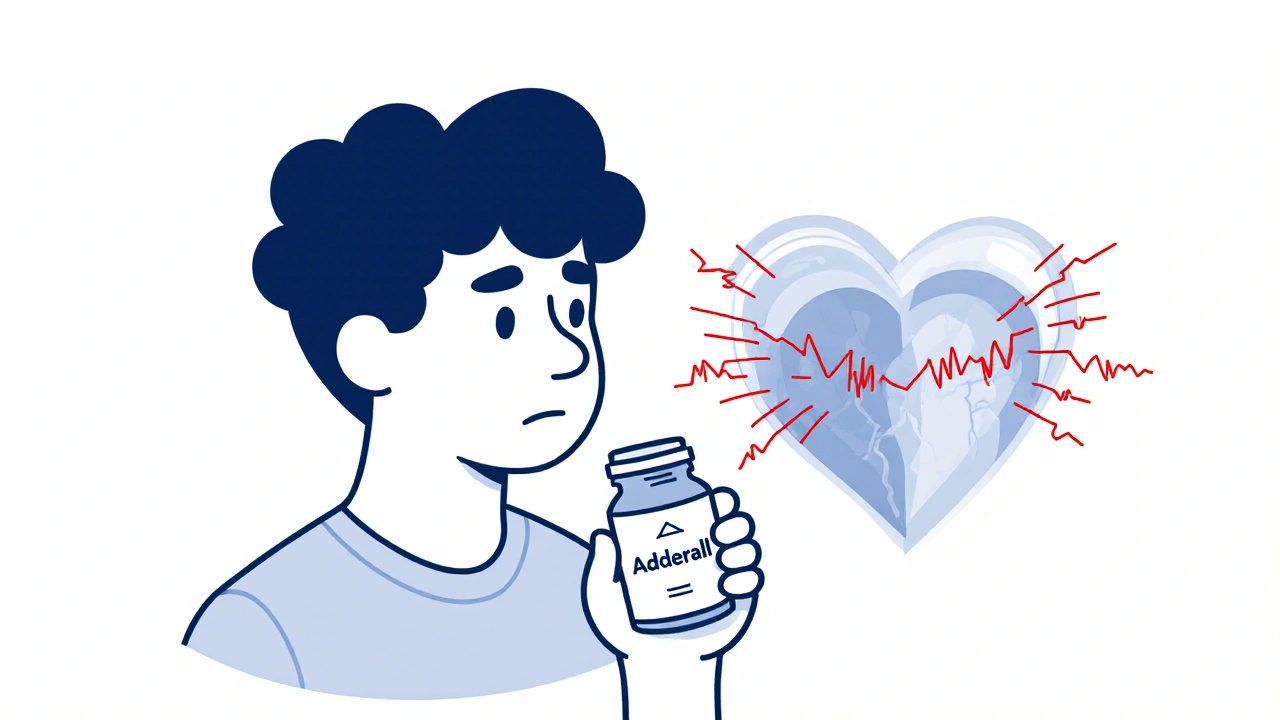
Stimulants for ADHD can improve focus but carry a small risk of cardiac arrhythmias. Learn who’s at risk, how to assess heart health, and what non-stimulant alternatives actually work.