DEA Prescription Rules: What You Need to Know About Controlled Substance Prescribing
When a doctor prescribes a drug like oxycodone, Adderall, or Xanax, they’re not just writing a note—they’re following strict DEA prescription rules, federal regulations enforced by the U.S. Drug Enforcement Administration that control how controlled substances are prescribed, dispensed, and tracked. Also known as controlled substance prescribing guidelines, these rules exist to prevent abuse, diversion, and illegal distribution while still allowing patients access to necessary medications. This isn’t just paperwork. Breaking these rules can mean losing a medical license, facing criminal charges, or putting patients at risk.
These rules apply to drugs listed in Schedule II through V, categories defined by the DEA based on abuse potential and medical use. For example, Schedule II drugs like fentanyl, hydrocodone, and methylphenidate have high abuse risk but accepted medical uses. They require a written or electronic prescription with no refills allowed. DEA registration, a unique number assigned to each prescribing clinician. Without it, no controlled substance can be legally prescribed—even if the doctor has a state license. Pharmacies must verify this number before filling any controlled script. Patients often don’t realize that a prescription for a Schedule II drug can’t be called in over the phone unless it’s an emergency, and even then, a written version must follow within 7 days.
Prescription fraud is a real problem. Fake scripts, altered dosages, and "doctor shopping"—seeing multiple providers to get overlapping prescriptions—are all violations. The DEA uses electronic prescribing systems and state prescription drug monitoring programs (PDMPs) to catch these patterns. Even well-meaning providers can slip up: writing a prescription for a family member, failing to check a PDMP, or keeping expired prescriptions on file. These aren’t minor mistakes—they’re federal offenses.
What you’ll find in the posts below aren’t legal manuals or policy papers. They’re real, practical stories from people who’ve dealt with these rules firsthand: patients who lost meds while traveling, clinicians adjusting doses under scrutiny, and others navigating the gray areas between care and compliance. Whether you’re a patient, provider, or just trying to understand why your pain script can’t be refilled, this collection cuts through the jargon and shows you what actually matters.
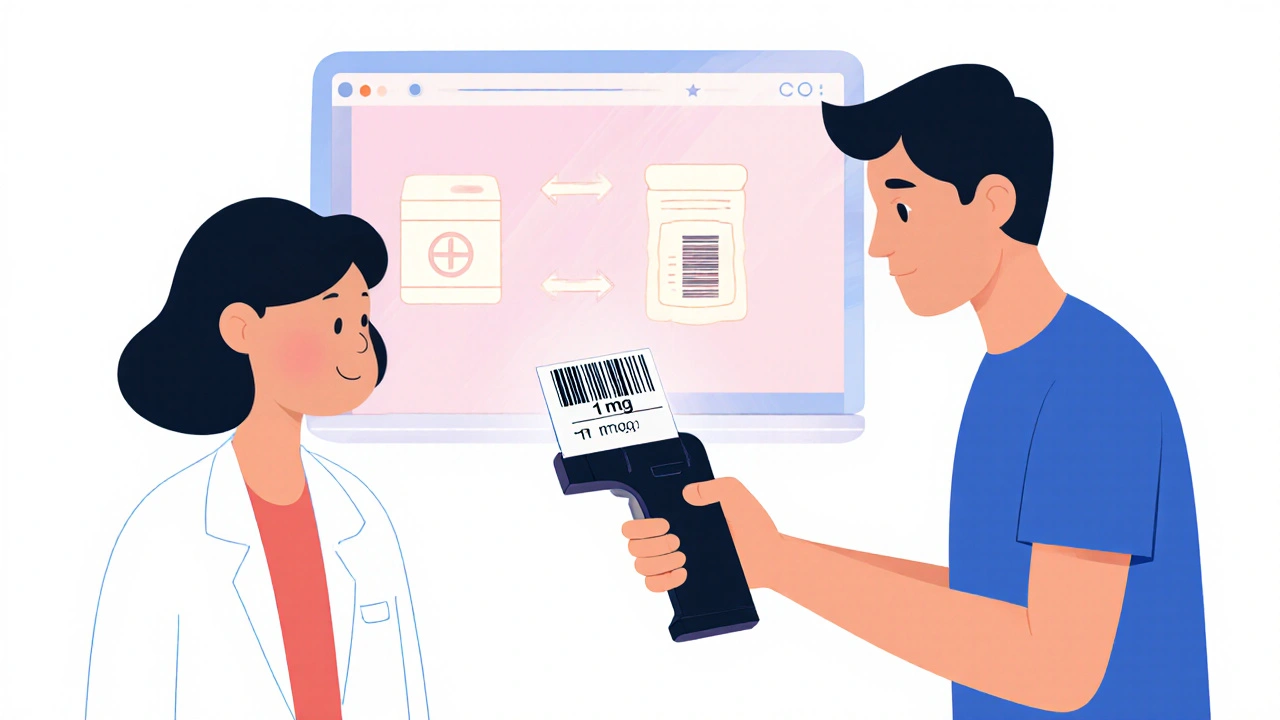
Learn how to safely transfer prescriptions while ensuring label accuracy to prevent deadly medication errors. Understand DEA rules, labeling standards, and best practices for pharmacists and patients in 2025.