How to Replace Lost or Stolen Medications While Abroad
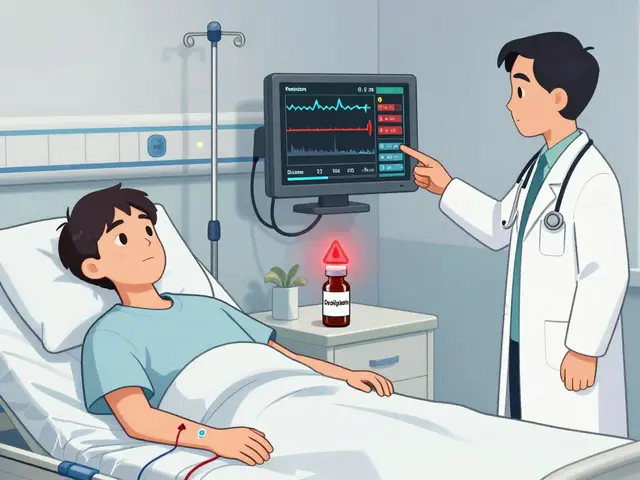
Losing your meds while traveling abroad can be dangerous. Learn how to replace them safely using travel insurance, doctor letters, and local clinics-plus what to avoid to stay healthy overseas.

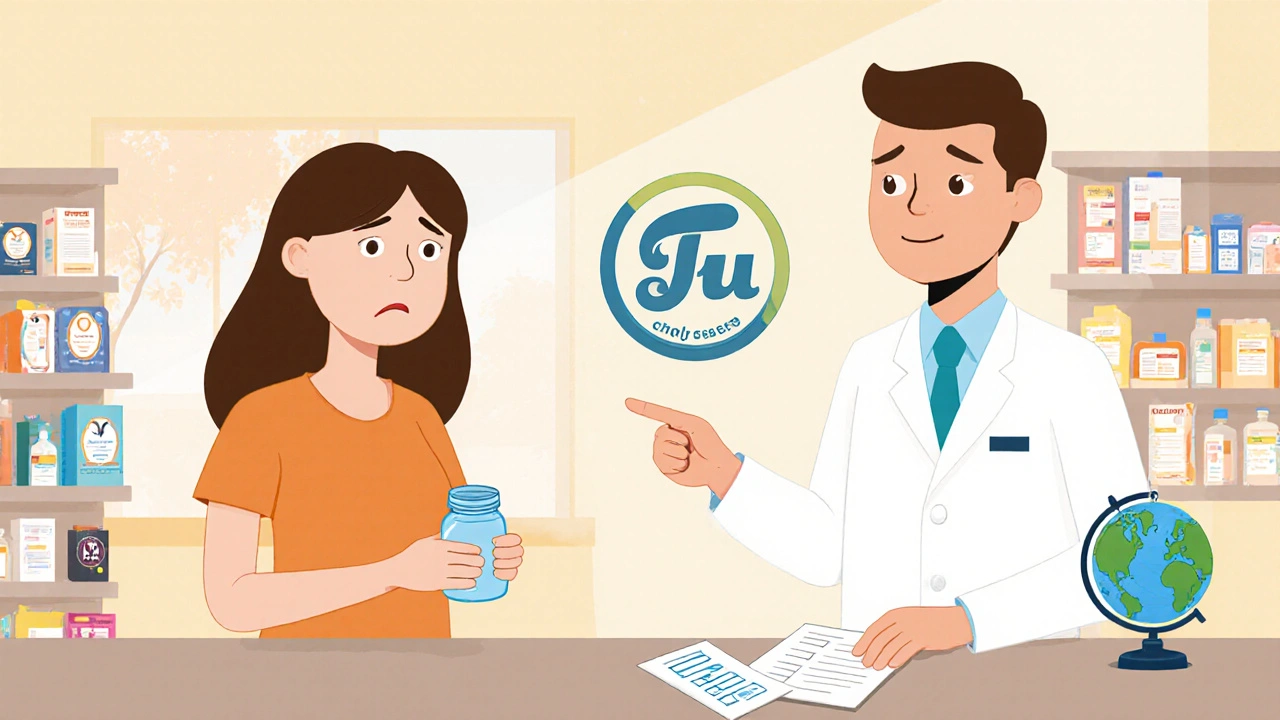
When you're traveling or living overseas, international prescription help, the process of legally obtaining prescription medications in a foreign country. Also known as cross-border pharmacy access, it's not just about finding a local pharmacy—it's about understanding drug laws, insurance limits, and what your medicine is even called abroad. Many people assume their U.S. or EU prescription works everywhere, but that’s not true. A drug approved in one country might be banned, restricted, or sold under a different name in another. For example, some ADHD medications available over the counter in Mexico are controlled substances in the U.S., while common painkillers in India may require a prescription in Germany. Without proper guidance, you risk buying counterfeit drugs, getting fined, or even arrested.
Getting overseas medication, prescription drugs obtained outside your home country. Also known as global drug access, it often involves checking if your medication is listed in the local pharmacopeia, finding a licensed pharmacy, and sometimes getting a local doctor’s note—even if you already have a prescription. Countries like Thailand, Mexico, and Canada have well-established systems for foreign patients, but others require you to register with a local clinic first. What’s more, some medications like insulin, antidepressants, or blood thinners have strict import rules. The FDA doesn’t always allow re-importation, and customs can seize packages without warning. That’s why knowing your rights and the local regulations matters more than just finding the cheapest price. prescription travel, the practice of carrying or obtaining medication while moving between countries. Also known as traveling with prescriptions, it’s not just about packing extra pills. You need to carry original prescriptions, doctor’s letters in English (and sometimes translated), and know the maximum allowable quantity. Some countries limit you to a 30-day supply, even if your prescription is for 90 days. Others require you to declare medications at customs. If you’re on long-term treatment like thyroid meds or anticoagulants, skipping doses or switching brands can be dangerous. That’s why people who manage chronic conditions abroad often work with international telehealth services or expat medical networks.
You’ll find real-world advice in the posts below—like how to safely buy generic metformin or Celebrex overseas, what to do when your statin isn’t available, or how to find alternatives to medications like Dostinex or Duloxetine in other countries. These aren’t theoretical guides. They’re written by people who’ve been stuck in a foreign pharmacy with no refills, or who’ve had to switch meds mid-trip because their usual brand wasn’t approved. Whether you’re a digital nomad, a retiree abroad, or just traveling for months, the information here will help you avoid dangerous gaps in treatment and stay safe without overpaying or risking counterfeit drugs. You’ll learn what actually works—not just what sounds good on a website.
Losing your meds while traveling abroad can be dangerous. Learn how to replace them safely using travel insurance, doctor letters, and local clinics-plus what to avoid to stay healthy overseas.

12 Oct 2025