Loratadine: What It Is, How It Works, and What You Need to Know
When your nose runs, your eyes itch, or you can’t stop sneezing, loratadine, a widely used second-generation antihistamine that blocks histamine without causing drowsiness in most people. Also known as Claritin, it’s one of the most trusted names in over-the-counter allergy relief. Unlike older antihistamines like diphenhydramine, which knock you out, loratadine keeps you alert while quieting your body’s overreaction to pollen, dust, or pet dander. It doesn’t cure allergies—but it stops the symptoms before they ruin your day.
Loratadine works by targeting histamine, the chemical your body releases when it thinks it’s under attack. That’s why it helps with allergic rhinitis, the medical term for hay fever, which includes runny nose, sneezing, and itchy eyes, and even chronic hives. It’s not meant for sudden, severe reactions like anaphylaxis—that’s what epinephrine is for. But for daily allergy triggers, it’s a go-to. Many people take it once a day and forget about it, because unlike some meds, it doesn’t build up in your system or cause grogginess. Still, it’s not magic. If your symptoms don’t improve after a week, or if you’re using it for more than a few months without relief, something else might be going on.
People often compare loratadine to other antihistamines like cetirizine or fexofenadine. They all work similarly, but some find one works better for them than the others. It’s not about strength—it’s about how your body responds. You might notice less dry mouth with loratadine than with cetirizine, or fewer headaches than with fexofenadine. And unlike first-gen antihistamines, it doesn’t mix dangerously with alcohol or sedatives. That’s why doctors recommend it for drivers, students, and anyone who needs to stay sharp.
It’s also used off-label for mild skin reactions, like insect bites or contact dermatitis, because it reduces itching and swelling. But it won’t help with asthma flare-ups or sinus infections unless those are triggered by allergies. If you’re on other meds—like certain antibiotics or antifungals—loratadine might interact. Always check with a pharmacist before combining it with anything new.
What you’ll find below isn’t just a list of articles. It’s a collection of real-world experiences and clinical insights about how loratadine fits into the bigger picture of allergy management, medication safety, and when to look beyond antihistamines. Some posts compare it to other OTC options. Others explain why it works for some but not others. A few dig into why people keep using it even when it seems like it’s lost its edge. You’ll see how it connects to other drugs like diphenhydramine, how it stacks up against natural remedies, and why it’s still the top pick for millions despite newer alternatives.
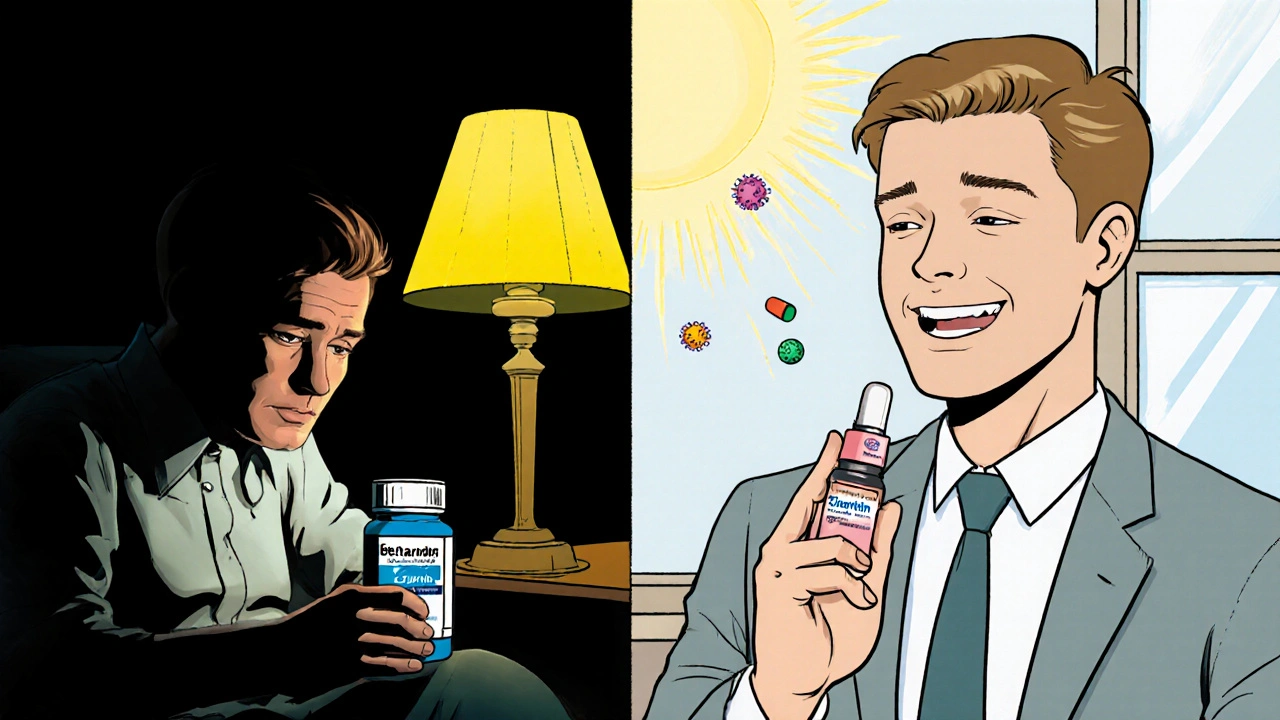
Second-generation antihistamines like loratadine, cetirizine, and fexofenadine offer effective allergy relief with far less drowsiness than older options. Learn how they work, which one suits you best, and what they can't do.