Non-Drowsy Allergy Meds: What Works, What Doesn't, and How to Choose
When your nose runs, your eyes itch, and your throat feels tight, you don’t need to be knocked out by your medicine. Non-drowsy allergy meds, a category of antihistamines designed to block allergic reactions without causing sleepiness. Also known as second-generation antihistamines, these drugs let you drive, work, or play with your kids without that heavy, foggy feeling. Unlike older options like diphenhydramine (Benadryl), which can make you nod off by lunchtime, these newer versions are built to stay out of your brain and focus only on your allergy symptoms.
Three names come up again and again in real-world use: loratadine, the most widely available non-drowsy option, sold as Claritin and generic versions, cetirizine, a bit stronger for some people, sold as Zyrtec, and sometimes causes mild drowsiness in sensitive users, and fexofenadine, the least likely to cause any sleepiness at all, sold as Allegra. Each works differently in your body. Loratadine lasts 24 hours and is gentle on the liver. Cetirizine kicks in faster but can make you tired if you’re extra sensitive. Fexofenadine needs to be taken on an empty stomach to work best, and it’s the safest bet if you’re on other meds or need to stay sharp all day.
These aren’t magic bullets—they won’t fix a stuffy nose from a cold, and they won’t help if your allergies are severe enough to need a nasal spray or shots. But for seasonal sneezing, itchy eyes, or mild hives, they’re the go-to. You’ll find them in every pharmacy, at every price point, and backed by decades of real patient use. Some people swear by one, others switch between them. The key is trying one for a week, then another if it doesn’t click. No need to guess—just test, track, and tweak.
What you’ll find below are real, no-fluff reviews and comparisons from people who’ve tried these meds in everyday life. From how they hold up during a busy workday to what happens when you take them with coffee or other pills, these posts cut through the noise. You’ll see what actually works, what’s overhyped, and how to avoid the hidden traps—like buying fake generics or mixing them with alcohol without knowing the risks. This isn’t theory. It’s what people are doing right now to stay alert and symptom-free.
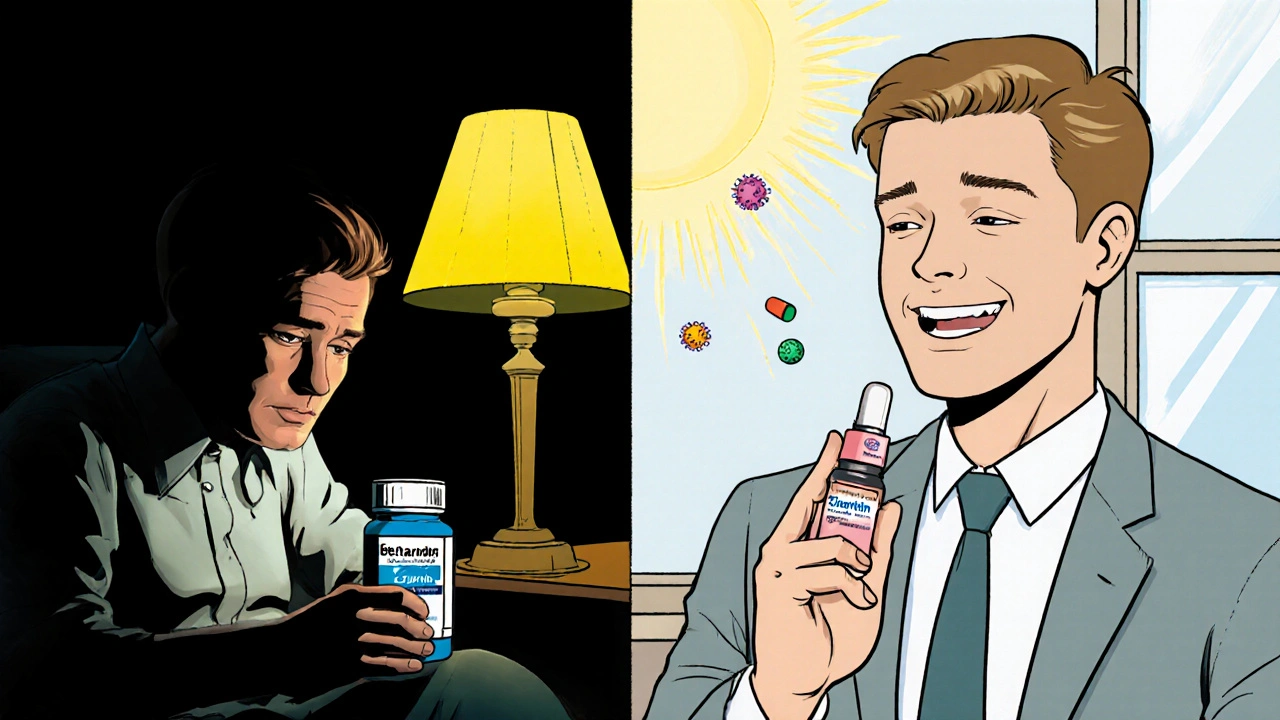
Second-generation antihistamines like loratadine, cetirizine, and fexofenadine offer effective allergy relief with far less drowsiness than older options. Learn how they work, which one suits you best, and what they can't do.