Non-Stimulant Alternatives for Focus and Energy Without the Jitters
When you need to stay focused but can’t handle stimulants—whether due to side effects, anxiety, or just wanting a calmer approach—non-stimulant alternatives, medications and strategies that improve attention and energy without activating the central nervous system like caffeine or amphetamines. Also known as non-addictive focus aids, they’re used by people managing ADHD, chronic fatigue, or just trying to avoid the crash that comes with coffee and prescription stimulants. These aren’t just supplements or wishful thinking. They’re real, clinically tested options that work differently than Adderall or Ritalin—slower, steadier, and often safer for long-term use.
One major group of non-stimulant alternatives, medications that target neurotransmitters like norepinephrine without triggering adrenaline spikes. Also known as ADHD non-stimulant meds, they include drugs like atomoxetine and viloxazine, which help with focus by balancing brain chemistry over time, not by forcing it into overdrive. Then there’s the role of antidepressants, drugs originally designed for depression that also improve attention and executive function in some people. Also known as off-label focus treatments, medications like bupropion and duloxetine are frequently prescribed for ADHD when stimulants don’t fit—especially if anxiety or low energy are also issues. These aren’t quick fixes. They take weeks to build up in your system, but they also don’t cause jitteriness, sleep loss, or the rebound crash that comes with stimulants.
And it’s not just pills. Many people find real relief through behavioral strategies, structured routines, environmental tweaks, and cognitive tools that reduce reliance on medication. Also known as non-pharmacological focus techniques, things like timed work blocks, movement breaks, and reducing digital distractions can be just as powerful as any drug—especially when paired with the right supplement or therapy. You’ll find posts here that break down exactly how to use these tools, whether you’re dealing with ADHD, burnout, or just need a clearer head without popping pills.
Some of the articles in this collection show you how to switch from stimulants safely, what to expect when your body adjusts, and which over-the-counter options like L-theanine or omega-3s actually have data behind them. Others compare specific drugs—like how duloxetine stacks up against atomoxetine—or explain why some people respond better to one type of non-stimulant than another. There’s also real talk about what doesn’t work: the hype supplements, the miracle teas, the viral TikTok fixes that promise focus without effort.
What you won’t find here is fluff. No vague advice like "just meditate more" or "drink more water." Just clear, practical info based on real studies and patient experiences. Whether you’re a parent looking for safer options for your teen, an adult tired of the stimulant rollercoaster, or someone managing side effects from other meds, this collection gives you the tools to make smarter choices—without needing a PhD in pharmacology.
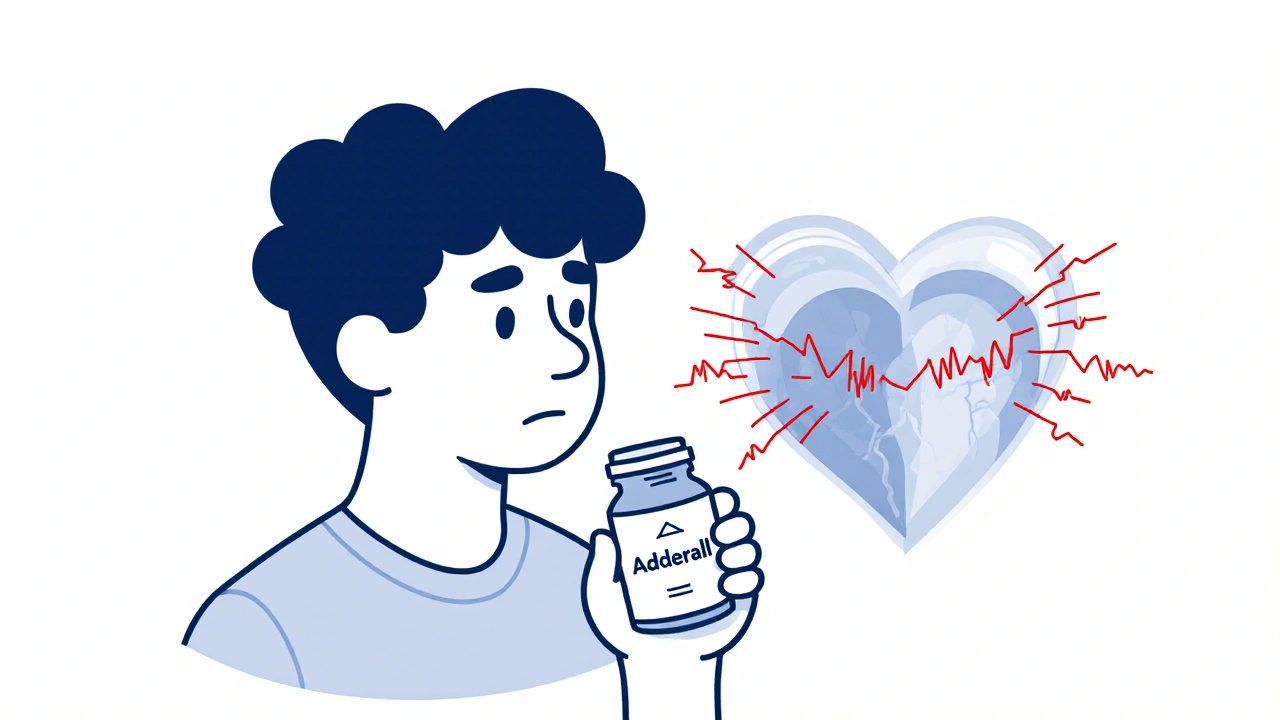
Stimulants for ADHD can improve focus but carry a small risk of cardiac arrhythmias. Learn who’s at risk, how to assess heart health, and what non-stimulant alternatives actually work.