Urinary Tract Infections: Causes, Treatments, and What You Need to Know
When you feel that burning sensation when you pee, or keep running to the bathroom with little result, you’re likely dealing with a urinary tract infection, a bacterial infection that can affect any part of the urinary system, including the bladder, urethra, or kidneys. Also known as bladder infection, it’s one of the most common reasons people visit a doctor—especially women. About 60% of women will get at least one in their lifetime, and while it’s not usually serious, ignoring it can lead to kidney damage or sepsis.
Antibiotic use, the standard treatment for bacterial UTIs is effective, but overuse is making some strains resistant. Not every urinary discomfort is an infection—some are caused by irritation, yeast, or even pelvic floor issues. That’s why knowing the difference matters. UTI symptoms, like cloudy urine, strong odor, pelvic pain, or fever can overlap with other conditions, so self-diagnosis isn’t safe. If you’ve had three or more UTIs in a year, you might need deeper testing to rule out structural problems or chronic infections.
What you do at home can make a big difference. Drinking water helps flush bacteria, but cranberry juice? The science is mixed—it might help prevent some cases, but won’t cure an active infection. Holding it in too long, wiping backward, or using scented products can all raise your risk. For recurring cases, low-dose antibiotics or vaginal estrogen (for postmenopausal women) are proven strategies. And yes, sex can trigger UTIs, but that doesn’t mean you need to stop—it means you should pee afterward and avoid irritating lubricants.
This collection of posts doesn’t just cover the basics. You’ll find real advice on how antibiotics work (and when they’re unnecessary), how to avoid misdiagnosis, what to do if symptoms return after treatment, and why some people keep getting infections despite doing everything "right." You’ll also see how UTIs connect to broader issues like antibiotic resistance, kidney health, and even how certain medications can increase your risk. Whether you’re dealing with your first UTI or have been fighting them for years, the information here is practical, grounded in evidence, and focused on what actually helps.
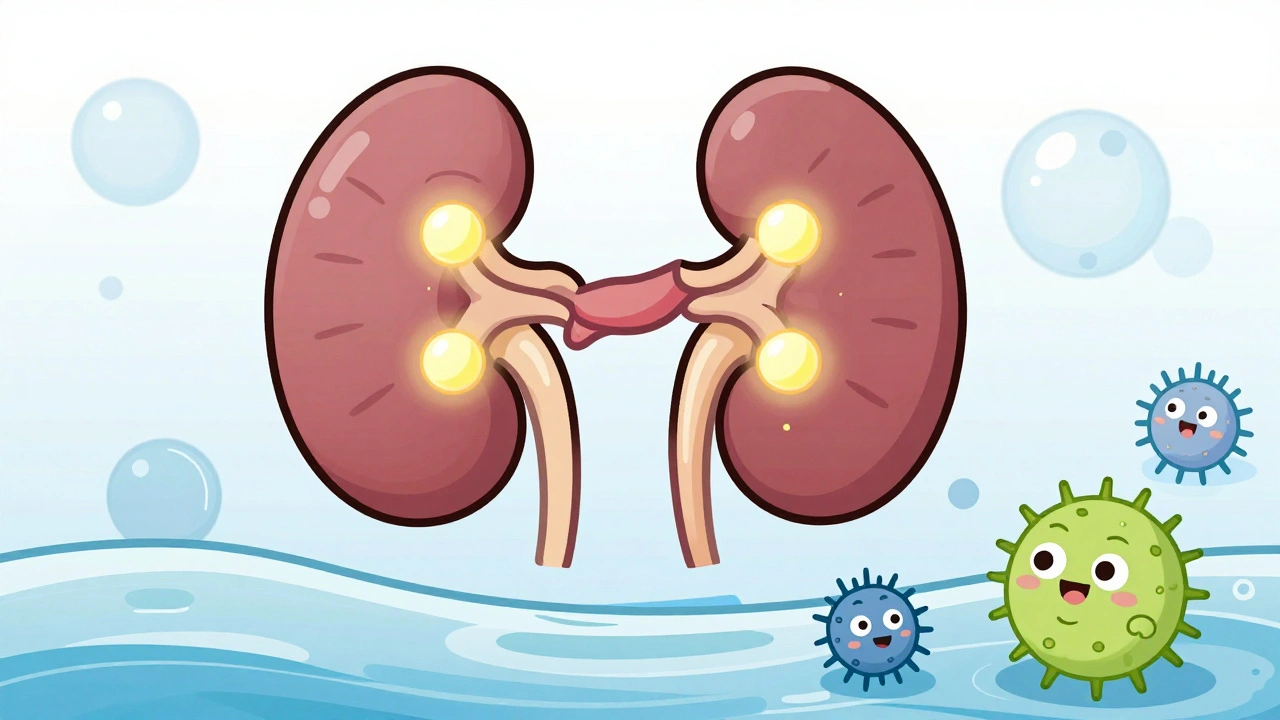
SGLT2 inhibitors help lower blood sugar in type 2 diabetes but increase the risk of yeast and urinary tract infections. Learn who’s most at risk, what symptoms to watch for, and how to stay safe while using these powerful medications.