
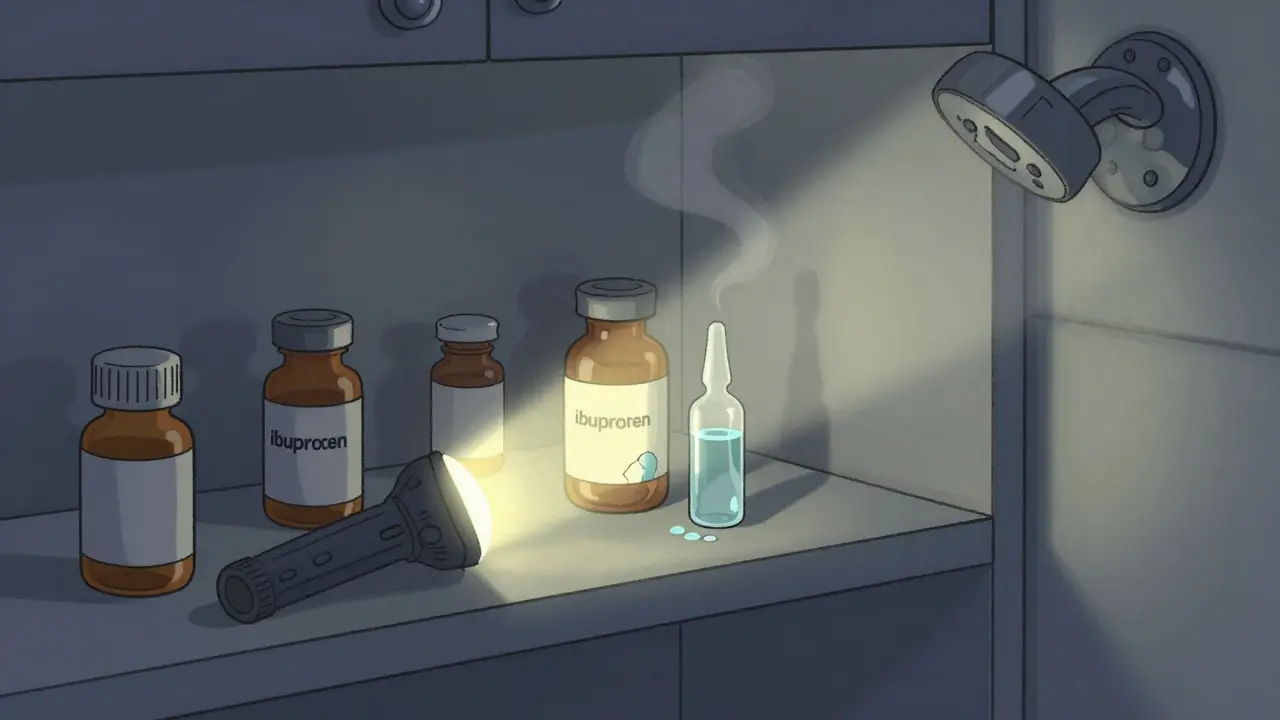
It’s December 2025. Your power’s out. The pharmacy’s closed. And the only thing left in the medicine cabinet is a bottle of ibuprofen that expired six months ago. Or maybe it’s insulin that expired three months back. What do you do?
Most people assume expired meds are just weak - maybe they won’t work as well. But that’s not the whole story. Some expired drugs can be dangerous. Others might be fine. The difference isn’t just about time - it’s about what kind of medication it is, how it was stored, and how badly you need it.
Not All Expired Medications Are the Same
The biggest mistake people make is treating all expired pills the same. A bottle of aspirin sitting in a cool, dry drawer isn’t the same as insulin left in a hot bathroom. The FDA says 90% of medications remain safe up to 15 years past their expiration date - if stored perfectly. But most homes don’t have perfect storage. Bathrooms, kitchens, and cars? Those are death traps for medicine.
Some drugs lose potency fast. Others stay stable for years. Here’s the breakdown:
- Low risk (if stored well): Solid tablets like ibuprofen, acetaminophen (Tylenol), antihistamines (Benadryl, Zyrtec), and some antibiotics. These can often be used safely a few months past expiration, though they might not work as well.
- High risk (never use): Insulin, thyroid meds (like levothyroxine), birth control pills, anti-platelet drugs (like aspirin for heart protection), and any liquid or injectable meds. These can cause serious harm if they degrade.
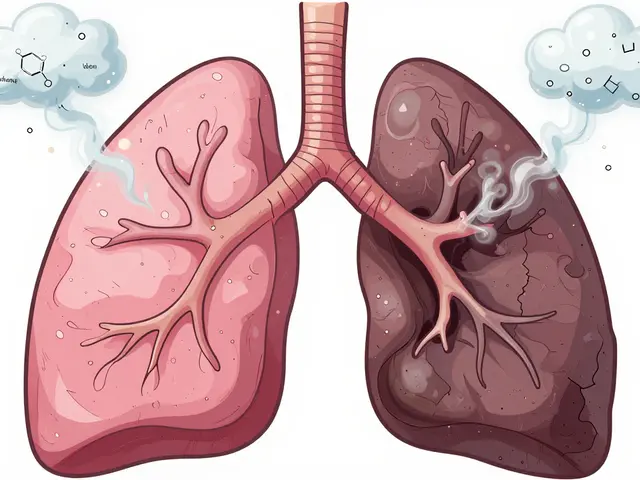
Why? Because insulin doesn’t just become less effective - it can cause wild blood sugar swings. Birth control pills lose potency unevenly, increasing the risk of unintended pregnancy. Liquid meds? They can grow bacteria. Eye drops? Those can cause blindness if contaminated.
Storage History Matters More Than You Think
That expiration date? It’s based on ideal conditions: cool, dry, dark. Real life? Medicine often ends up in a steamy bathroom, a sunny windowsill, or a car glovebox.
Studies show meds stored in humid, warm places degrade 37% faster than those kept in a bedroom drawer. That means a pill that might last six months past its date in a cool spot could be useless after two months in the bathroom.
And here’s the hard part: you probably don’t know how your meds were stored. Did your grandma keep them in her attic? Did you forget them in the car during summer? You can’t test for that. All you can do is look.
Visual and Physical Inspection: Your First Line of Defense
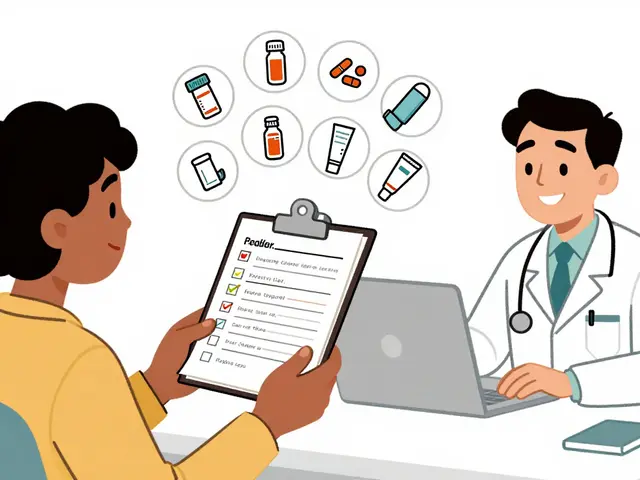
If you’re stuck with expired meds and no alternatives, check them like a pharmacist would:
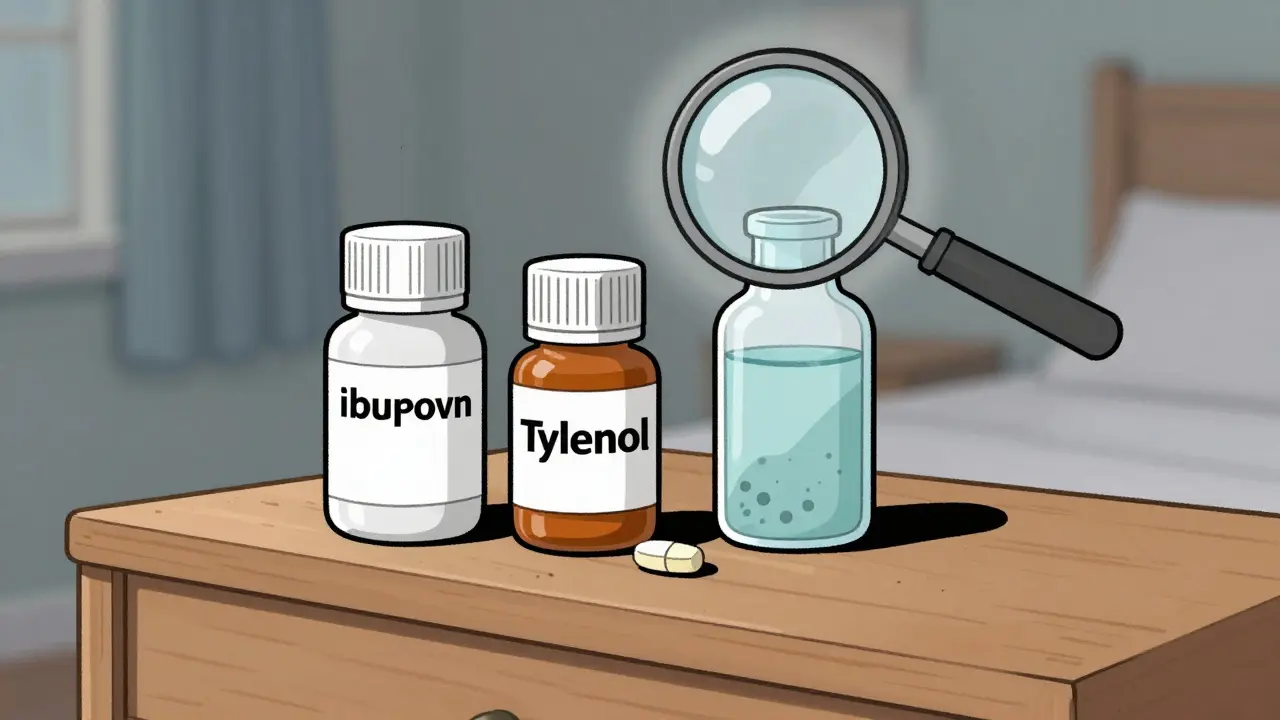
- Tablets: Look for cracks, discoloration (yellowing, dark spots), or a chalky texture. If they smell funny - like vinegar or mold - don’t take them.
- Capsules: If they’re sticky, melted, or leaking, they’re ruined. Gel caps are especially sensitive to heat.
- Liquids: Cloudiness, floating particles, or a strange odor? Throw it out. Even if it’s just a cough syrup, bacteria can grow inside.
- Powders or inhalers: Clumping, wetness, or odd smell? Don’t use.
But here’s the catch: some dangerous changes aren’t visible. A pill can look perfect and still be 50% less potent. You can’t tell by sight alone. That’s why category matters more than appearance.
Time Since Expiration: The Clock Is Ticking
There’s no universal rule. But here’s what experts agree on:
- Less than 3 months past expiration: For low-risk meds (like ibuprofen or allergy pills), the risk is usually low - if stored well.
- 3-12 months: Potency drops noticeably. Tylenol, for example, can lose up to 20% effectiveness after its shelf life ends. Use only if absolutely necessary.
- More than 12 months: Don’t risk it. Even for pills that seem stable, degradation accelerates. The FDA’s 15-year safety claim applies to military stockpiles under perfect conditions - not your kitchen cabinet.
And remember: antibiotics are a special case. Even if they seem to work, sub-potent doses can cause bacteria to become resistant. That’s not just a personal risk - it’s a public health risk.
When It’s a Life-or-Death Situation
Let’s say you’re in a remote area. No phone signal. No access to a pharmacy. You have expired meds and a serious problem.
Here’s how to think about it:
- Life-threatening conditions: Heart attack symptoms, severe infection, anaphylaxis, diabetic emergency - never use expired meds. The margin for error is zero. A 10% drop in insulin potency could land you in the hospital. A weak antibiotic could turn a treatable infection into sepsis.
- Minor conditions: Headache, mild allergy, minor fever - if the med is a solid tablet, less than 6 months expired, and looks fine, you might take it. But expect reduced effect. If it doesn’t work after one dose, stop. Don’t double up.
And never, ever use expired meds for children, elderly people, or anyone with a weakened immune system. Their bodies can’t handle the unpredictability.
What You Can’t Do - And What You Should Do Instead
You can’t test potency at home. No dipstick, no app, no trick. The FDA is researching portable devices that might one day let you scan a pill for strength - but as of 2025, they don’t exist for consumers.
So what should you do?
- Rotate your meds. Every six months, check your cabinet. Toss anything expired. Don’t wait for a crisis.
- Store meds properly. Keep them in a cool, dry place - not the bathroom, not the car. A bedroom drawer is ideal.
- Dispose safely. Don’t flush them. Don’t throw them in the trash. Find a take-back program or drop-off location. Many pharmacies offer free disposal.
- Keep a small emergency kit. Include non-expired pain relievers, antihistamines, and basic first aid. Replace items before they expire.
Washington State’s 2023 health report found that 82% of ER visits involving expired meds could’ve been avoided with simple rotation and disposal. That’s not just about safety - it’s about common sense.
Global Differences and Regulatory Gaps
Some countries are starting to rethink expiration dates. The European Union has looked into extending them for stable drugs. The U.S. military has tested over 3,000 stockpiled meds since 1986 and found many still effective years past expiration - under perfect storage.
But here’s the reality: no country lets pharmacists legally extend expiration dates. No doctor can prescribe an expired drug. The system is built on caution - and rightly so. Because when you’re wrong, people die.
So if you’re in a country with unreliable access to meds, or if you’re preparing for emergencies, your best move is to stockpile new meds - not rely on old ones.
The Bottom Line
Expired meds aren’t always poison. But they’re never a safe bet. The only time you should consider using them is when:
- You have no other option,
- The condition is minor,
- The drug is a solid tablet,
- It’s been expired less than 6 months,
- It looks and smells normal,
- And you’re not treating someone vulnerable.
Even then, use the smallest dose possible. Watch closely. If it doesn’t help, stop. Don’t push it.
But here’s the real truth: the best way to handle expired meds is to never let them expire in the first place.
Can I take expired ibuprofen or Tylenol?
You might be okay using ibuprofen or Tylenol that expired a few months ago - if it’s been stored in a cool, dry place and looks normal. But don’t expect full strength. Tylenol can lose up to 20% potency after its shelf life ends. Never use it if it’s discolored, smells odd, or is more than a year past expiration. For minor pain, it’s a last-resort option. For serious pain or fever, get new medicine.
Is expired insulin dangerous?
Yes. Expired insulin can lose potency unevenly, leading to unpredictable blood sugar levels. This can cause severe hypoglycemia or hyperglycemia - both life-threatening. Never use insulin past its expiration date, even if it looks fine. There’s no safe way to test its strength at home. Always replace it on time.
What about expired antibiotics?
Don’t take them. Even if the pill looks perfect, expired antibiotics may not kill all the bacteria. That leaves behind the strongest bugs - which then multiply and become resistant. This doesn’t just hurt you - it makes future infections harder to treat for everyone. Use antibiotics only when prescribed and only if they’re not expired.
Can I use expired allergy medicine?
For mild allergies - like seasonal sneezing or a runny nose - expired antihistamines like Zyrtec or Claritin are usually low-risk if they’re less than 6 months past expiration and stored properly. They might not work as well, but they won’t harm you. If symptoms don’t improve, stop and get new medicine. Don’t use them for severe allergic reactions like swelling or trouble breathing.
How should I store medications to make them last longer?
Keep them in a cool, dry, dark place - like a bedroom drawer. Avoid bathrooms (heat and steam), kitchens (humidity and heat), and cars (extreme temperatures). Don’t leave them in direct sunlight. Always keep them in their original bottles with the child-resistant cap on. That’s the best way to preserve potency and safety.
What should I do with expired meds I don’t use?
Never flush them down the toilet or throw them in the trash. Many pharmacies offer free take-back programs. Some cities have drop-off locations at police stations or community centers. If no program is available, mix pills with coffee grounds or cat litter in a sealed bag before tossing - this makes them unappealing and harder to misuse. Always remove personal info from the bottle first.
Are there any tools to test if expired meds are still good?
No. As of 2025, there are no reliable, consumer-available tools to test medication potency or contamination. Devices being developed by the FDA are still in research. Visual inspection - checking for discoloration, odor, or texture changes - is your only option. But remember: some dangerous changes can’t be seen. When in doubt, throw it out.




December 15, 2025 AT 23:34
I keep my meds in a sealed container in the back of my closet. No bathroom, no car. If it's expired but looks and smells normal, I'll use it for a headache. Better than suffering.