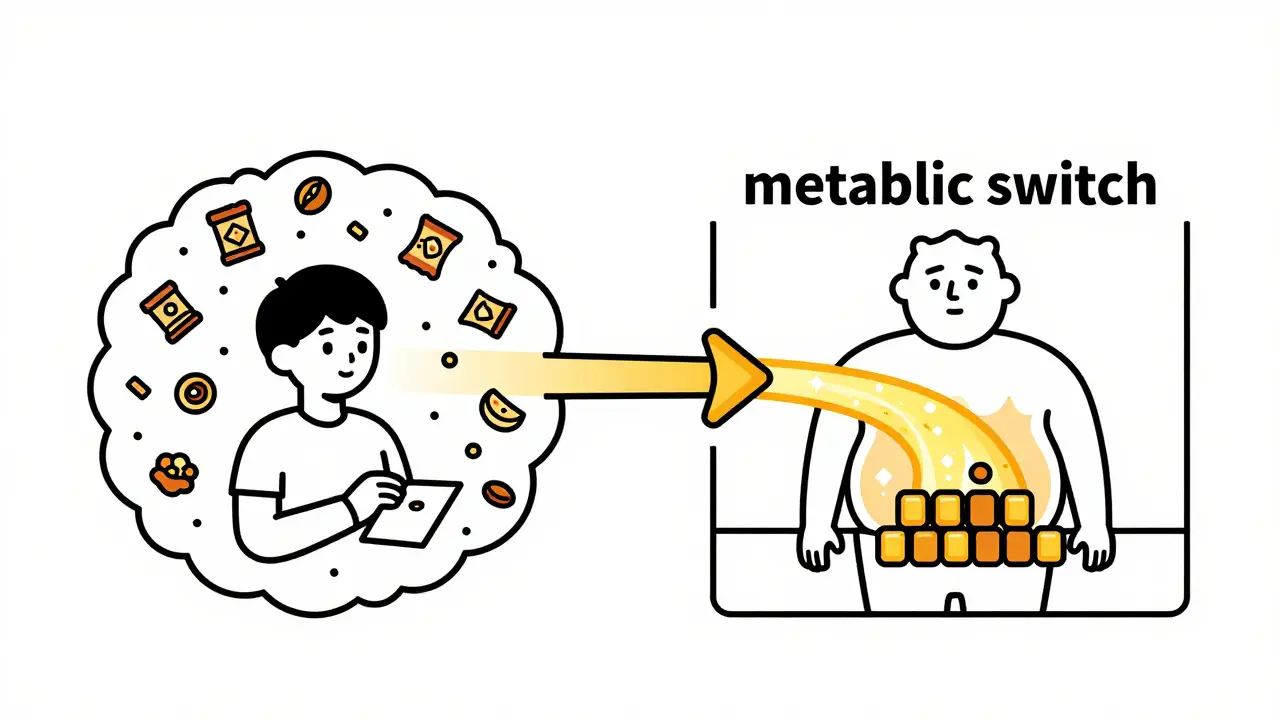
Most people think weight loss is all about what you eat. But recent science suggests that when you eat might be just as important. Intermittent Fasting is a dietary strategy that cycles between periods of eating and fasting, moving away from the constant grazing we've been taught is normal. Instead of just cutting calories, it's about creating a metabolic switch that forces your body to burn stored fat for energy.
The Core Approaches to Fasting
Intermittent fasting isn't a one-size-fits-all diet; it's a framework. Depending on your schedule and how your body reacts, you can choose from a few different evidence-based methods. According to research from the University of Toronto published in 2025, these are the three main paths people take.
- Time-Restricted Eating (TRE): This is the most popular version. You limit your food intake to a specific daily window, usually 8 to 12 hours. The most common variant is the 16:8 method, where you fast for 16 hours and eat during an 8-hour window.
- Alternate-Day Fasting: This is a more intense approach where you fast for 24 hours every other day. While tougher to maintain, Harvard research suggests it can be more effective for rapid weight loss.
- The 5:2 Diet: Here, you eat normally for five days a week and restrict your calories to about 500-600 (roughly 25% of your needs) on two non-consecutive days.
Does It Actually Work for Weight Loss?
The short answer is yes, but with a caveat: it works similarly to traditional calorie counting. A systematic review by the Harvard T.H. Chan School of Public Health involving over 6,500 participants found that intermittent fasting is generally as effective as standard calorie-restricted diets. On average, people using these methods lost 1.7 to 2.5 kg more than those who ate without any restrictions.
However, some methods have a slight edge. Alternate-day fasting, for example, showed a 1.3 kg greater weight loss compared to traditional diets. But weight loss is only part of the story. The real magic happens with your internal chemistry. By giving your digestive system a break, you improve insulin sensitivity and lower LDL cholesterol. In fact, data shows that fasting can reduce LDL cholesterol by 4.8 to 7.2 mg/dL, which is a big win for heart health.
| Method | Structure | Primary Benefit | Difficulty |
|---|---|---|---|
| 16:8 (TRE) | 16h fast / 8h eat | Circadian alignment | Low to Moderate |
| Alternate-Day | 24h fast every other day | Maximum weight loss | High |
| 5:2 Diet | 2 low-cal days per week | Flexible scheduling | Moderate |
The Role of Circadian Rhythms
If you want to get the most out of your fast, you need to look at your internal clock. Circadian Rhythms are the natural, internal processes that regulate your sleep-wake cycle. When you align your eating window with these rhythms, your body processes nutrients more efficiently.
For instance, studies from the UTSW Medical Center found that people who ate their meals earlier in the day (such as between 8 am and 4 pm) saw a 15.2% greater improvement in insulin sensitivity compared to those who ate later in the evening. Essentially, your body is better equipped to handle glucose in the morning and afternoon than late at night. If you're a shift worker, this is even more critical; aligning your window with your specific active hours can significantly improve your adherence to the plan.
Practical Challenges and How to Overcome Them
It sounds simple-just don't eat-but the first few weeks can be brutal. Most people experience a "hunger adaptation" phase in the first 72 hours. During this time, your hunger hormone, ghrelin, is spiking, making you feel irritable and hungry. This is where most people quit. The learning curve usually lasts about 2 to 4 weeks before your body adjusts to burning fat instead of glucose.
Another hurdle is the social side of things. It's awkward to turn down a late-night dinner invitation or explain why you aren't eating breakfast at a business meeting. This "social disruption" is a primary reason why some people drop out of these programs. To get around this, try shifting your window gradually. Start with a 12-hour window and slowly shrink it to 10 or 8 hours over a few weeks.
Don't forget about hydration. Dehydration often mimics hunger, leading many to believe they are starving when they are actually just thirsty. Drinking plenty of water, black coffee, or plain tea during the fasting window is essential to keep your energy levels stable and avoid the "energy crashes" reported by many beginners.
Nutrition During the Eating Window
A common mistake is treating the eating window as a "free-for-all." If you eat 4,000 calories of junk food in 8 hours, you'll likely negate the weight loss benefits. To preserve lean muscle mass while losing fat, focus on high protein intake. Experts recommend consuming 1.2 to 1.6g of protein per kilogram of body weight. If you weigh 70 kg, aim for roughly 84 to 112 grams of protein daily.
Prioritize whole foods-lean meats, eggs, legumes, and plenty of vegetables. This keeps you full longer and prevents the blood sugar spikes that make the subsequent fasting period feel like torture. If you're dealing with conditions like type 2 diabetes, the benefits can be even more pronounced, with some studies showing a significant drop in HbA1c levels, though you should always do this under medical supervision due to the risk of hypoglycemia.
Long-Term Sustainability and the Verdict
Is this a lifelong solution? That's the big question. While the short-term results are impressive, long-term data is still thin. About 92% of clinical trials last less than 24 weeks, meaning we don't fully know how people fare after two or three years. Some preliminary data suggests a weight regain rate of around 43% after a year, which is slightly higher than those on traditional diets.
The key to making this work long-term is personalization. You shouldn't force yourself into a 16:8 window if it makes you miserable or interferes with your family life. The best diet is the one you can actually stick to. Whether you choose a strict fasting window or a more relaxed calorie-restriction approach, the goal is a sustainable lifestyle change, not a temporary fix.
Will I lose muscle while fasting?
Not necessarily. While the body does break down some protein for energy, you can prevent significant muscle loss by keeping your protein intake high (1.2-1.6g/kg of body weight) and engaging in regular strength training during your eating window.
What can I drink during the fasting period?
Stick to non-caloric beverages. Water, sparkling water, black coffee, and plain tea are all fine. Avoid adding sugar, milk, or cream, as these can trigger an insulin response and break your fast.
Is intermittent fasting safe for everyone?
No. It is generally not recommended for pregnant women, people with a history of eating disorders, or those who are severely underweight. People with type 2 diabetes or those on blood-pressure medication must consult a doctor, as fasting can drastically change how medications work.
How long does it take to see results?
Most people notice an improvement in energy and a reduction in bloating within the first two weeks. Significant weight loss typically becomes apparent after 4 to 8 weeks of consistent adherence.
Why do I feel tired or irritable at first?
This is usually due to the "hunger adaptation" phase. Your body is transitioning from relying on glucose (sugar) to burning stored fat. Once your ghrelin levels normalize and your body becomes more efficient at fat oxidation, these symptoms usually disappear.