Levothyroxine Absorption Estimator
Estimated Absorption
Imagine waking up, taking your thyroid pill, and immediately brewing a pot of coffee. It feels like the perfect morning routine, but for millions of people, this habit is actually sabotaging their health. If you're taking Levothyroxine is a synthetic thyroid hormone (T4) used to treat hypothyroidism, your morning brew might be the reason you still feel exhausted despite taking your medication every single day.
The Hidden Conflict Between Coffee and Your Thyroid Meds
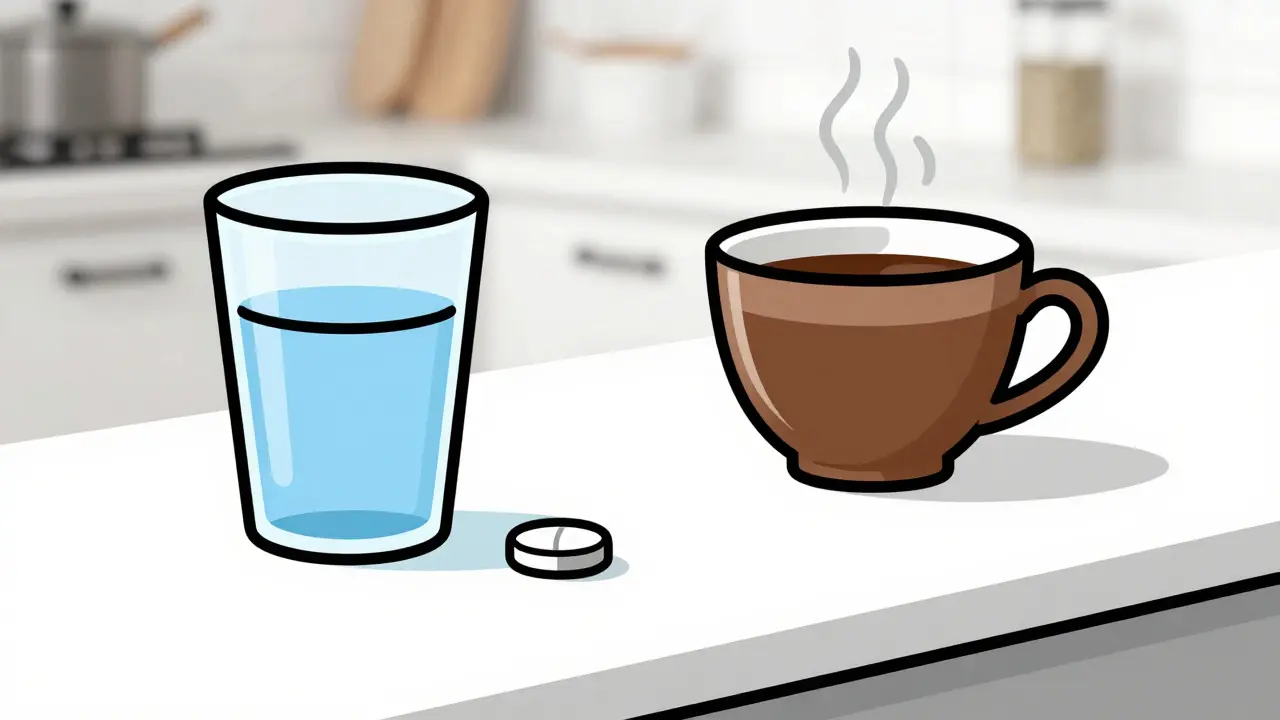
It sounds strange that a cup of coffee could interfere with a tiny tablet, but the chemistry is real. When you take a standard tablet of levothyroxine, it needs a very specific environment in your gut to be absorbed into your bloodstream. Coffee disrupts this process. Research shows that drinking coffee at the same time as your medication can slash your drug absorption by anywhere from 25% to 57%.
How does this actually happen? It isn't just about the caffeine. Coffee contains chlorogenic acids and polyphenols that essentially bind to the hormone in your gastrointestinal tract. This prevents the medicine from dissolving and absorbing properly. Additionally, coffee stimulates your colon, speeding up the transit time of the drug through your system. Essentially, the medication is pushed through your body before it has a chance to enter your bloodstream.
This creates a frustrating cycle. You take your pill, but because of your coffee, your body only gets a fraction of the dose. This leads to elevated TSH (Thyroid Stimulating Hormone) levels. Instead of hitting the target range of 0.4 to 4.0 mIU/L, some patients see their levels climb significantly, which brings back the very symptoms they're trying to fight: crushing fatigue, unexplained weight gain, and a persistent low mood.
How Long Should You Actually Wait?
The golden rule for most patients is a 60-minute gap. Waiting one hour after taking your medication before you have your first sip of coffee allows the tablet to dissolve and absorb without interference. While some experts suggest this is enough, some endocrinologists recommend waiting up to four hours, especially for those who struggle to stabilize their levels.
Not all coffee is created equal, either. Studies have indicated that concentrated forms, like espresso, can interfere more aggressively than a standard brewed cup. Interestingly, decaf isn't a magic loophole. While it lacks caffeine, it still contains those binding polyphenols and stimulates the gut, meaning you still need to space it out from your dose.
| Substance | Impact Level | Typical Absorption Reduction |
|---|---|---|
| Antacids | Severe | Up to 90% |
| Calcium/Iron Supplements | High | Significant (Higher than coffee) |
| Coffee (Caffeinated) | Moderate | 25% - 57% |
| Soy Products | Low-Moderate | 15% - 20% |
| Tea | Low | Minimal to Moderate |
Breaking the Habit: Practical Ways to Manage Your Morning
Let's be honest: waiting an hour for coffee is a big ask when you're already dealing with hypothyroidism-related brain fog. However, the payoff is worth it. Many people in patient communities have reported their TSH levels dropping into the normal range simply by moving their coffee time. One person reported a drop from 12.4 to 2.1 TSH just by sticking to the 60-minute rule.
If you struggle with the timing, try these strategies:
- The "Meds First" Mug: Use a specific mug for your water and medication, and keep your coffee mug tucked away until the timer goes off.
- Visual Reminders: Set a phone alarm for 60 minutes post-dose. This removes the mental effort of tracking the time.
- Night-time Dosing: Some patients switch to taking their medication at bedtime (provided they stay upright for a while), which completely removes the conflict with morning coffee.
The Liquid Alternative: A Game Changer for Coffee Lovers
If you absolutely cannot imagine a morning without coffee and the 60-minute wait is ruining your life, there is a medical alternative. Tirosint is a liquid formulation of levothyroxine sodium that works differently than traditional tablets like Synthroid.
Because it is already in a solution, it doesn't face the same absorption hurdles in the gut. Clinical tests show that liquid versions maintain nearly 99% bioavailability even when taken with coffee, tea, or orange juice. For the "coffee-first" crowd, this eliminates the need for spacing and removes the risk of inconsistent TSH levels.
Common Pitfalls and Red Flags
It's easy to forget that coffee isn't the only culprit. If you're adding heavy cream or calcium-fortified milk to your coffee, you're adding another layer of interference. Calcium is even more potent than coffee at blocking thyroid hormone absorption.
You should also keep an eye out for "symptom creep." If you notice you're feeling more tired or cold than usual, but you're sure you haven't missed any doses, look at your timing. Small shifts in when you drink your coffee can cause your TSH to fluctuate wildly-some case studies have seen levels swing from 1.8 to 14.2 based solely on when the patient had their morning brew.
Does decaf coffee still affect my thyroid medication?
Yes. While decaf lacks caffeine, it still contains chlorogenic acids and polyphenols that bind to levothyroxine in the gut. It also stimulates colonic motility, which can speed up the medication's passage through your system, reducing the time available for absorption. You should still wait 60 minutes after your dose.
Can I take my levothyroxine with tea instead?
Tea generally has a weaker interference effect than coffee, but it's still not recommended. Some studies show a similar pattern to coffee, while others suggest it's minimal. To be safe, the same 60-minute window applies to tea and other caffeinated beverages.
What is the best way to take levothyroxine for maximum absorption?
The gold standard is taking your tablet on an empty stomach with a full glass of water, at least 30 to 60 minutes before eating or drinking anything other than water. Avoid calcium or iron supplements for at least four hours after your dose.
Will switching to liquid levothyroxine actually work?
Yes, for many people. Liquid formulations like Tirosint are designed to be more stable and are not significantly impacted by the components found in coffee. This makes them a great option for people who cannot adhere to strict timing windows.
How do I know if my coffee habit is affecting my medication?
The clearest indicator is your TSH blood test. If your TSH remains high despite taking the correct dose of medication, and you drink coffee shortly after your pill, the timing is likely the cause. You may also notice a return of symptoms like fatigue and weight gain.
Next Steps for Better Control
If you've been drinking your coffee and meds together, don't panic-but do make a change. Start by implementing a 60-minute gap for two to four weeks. This is usually how long it takes for a new habit to stick. If you find this impossible to maintain, schedule a chat with your doctor about switching to a liquid formulation.
For those who have already spaced their doses but still feel "off," consider a broader audit of your supplements. Check if you're taking calcium, iron, or high-fiber supplements within four hours of your dose, as these are even more powerful inhibitors than coffee.