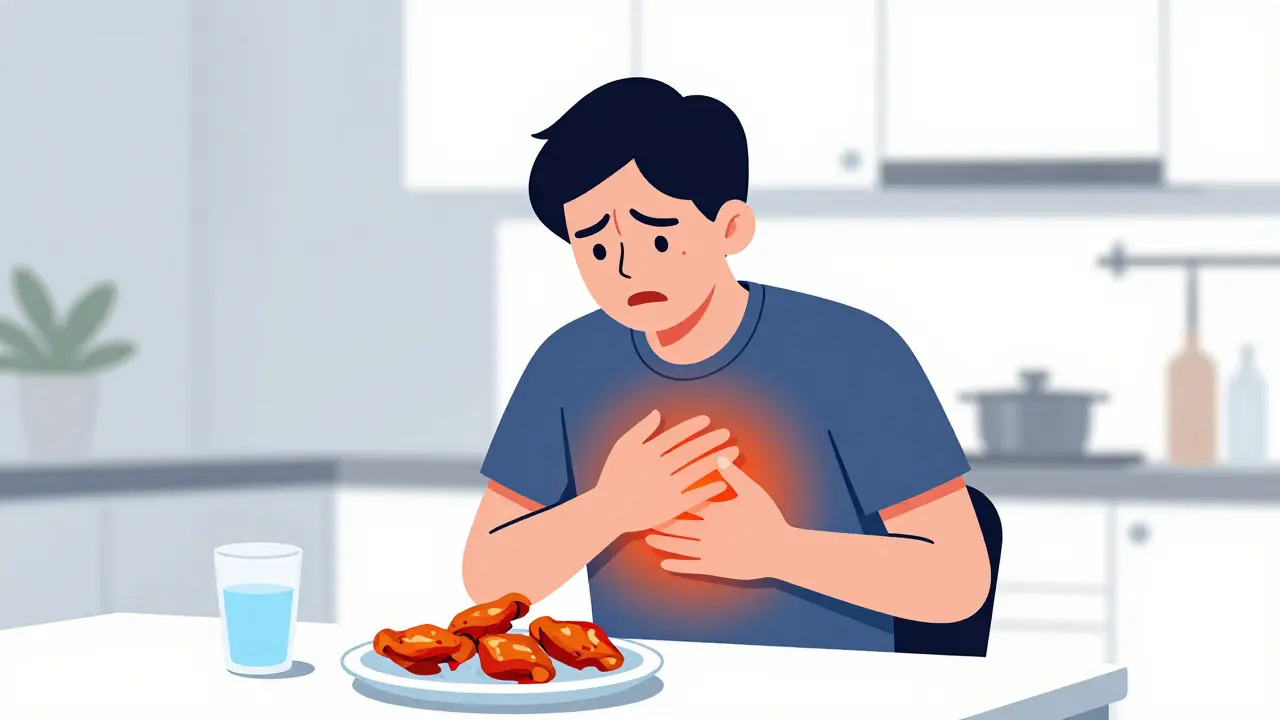
That burning sensation climbing up your chest after a spicy meal or a late-night snack is more than just annoying-it can be debilitating. Whether you're dealing with a random occurrence or a daily struggle, the pharmacy aisle is packed with options. But if you've ever stared at the shelves wondering if you need a quick-fix tablet or a 14-day course of something stronger, you aren't alone. About 60 million people in the U.S. experience this monthly, and picking the wrong tool for the job usually means you're just wasting money and staying in pain.
The trick to stopping the burn is understanding that OTC heartburn medications aren't all doing the same thing. Some neutralize acid that's already there, some tell your stomach to slow down production, and others shut down the acid pumps entirely. To get the most relief, you need to match the medication to the frequency and timing of your symptoms.
Quick Guide: Which One Should You Pick?
Before we get into the weeds, here is the fast version. If you need relief right now, go with an antacid. If you know you're about to eat something that triggers you, or you need sleep without waking up in pain, an H2 blocker is your best bet. If your chest burns almost every day, you're looking at a PPI.
| Feature | Antacids | H2 Blockers | PPIs |
|---|---|---|---|
| Onset of Action | 30-120 seconds | 60-180 minutes | 24-72 hours |
| Duration | 30-60 minutes | 8-12 hours | Up to 24 hours |
| Potency | Low (Neutralizes) | Moderate (Reduces) | High (Blocks) |
| Best Use Case | Occasional/Acute | Predictable/Nightly | Frequent (2+ days/week) |
Antacids: The Immediate Fix
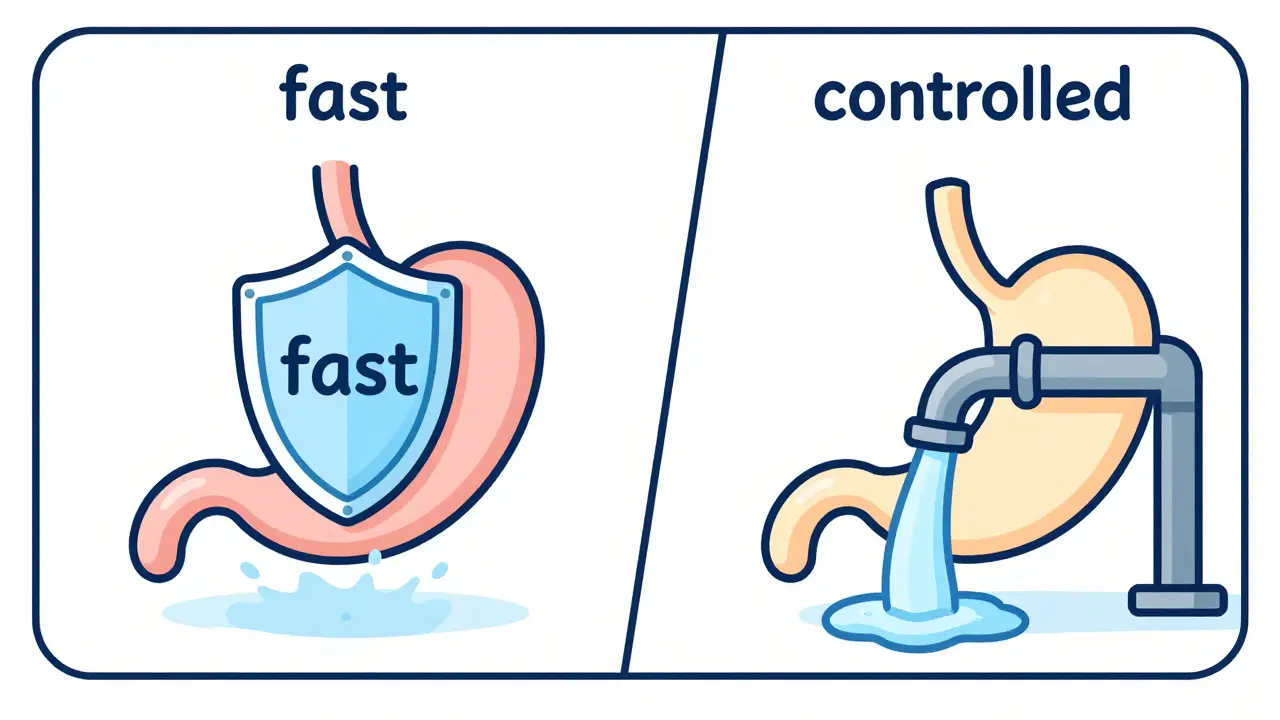
When you're in the middle of a heartburn attack, you don't have two hours to wait for a pill to kick in. This is where Antacids is a class of alkaline substances that chemically neutralize existing gastric acid in the stomach comes in. They don't stop your stomach from making acid; they just change the pH of the acid that's already sitting there, making it less caustic to your esophagus.
You'll see these in tablets, chews, or liquids. Common versions use Calcium Carbonate (like Tums) or Magnesium Hydroxide (like Milk of Magnesia). Because they work within seconds, they're the gold standard for occasional relief. However, they're short-lived. You might feel great for 45 minutes, but the relief fades quickly. Some people even experience "rebound acid hypersecretion," where the stomach overcompensates for the neutralization and pumps out even more acid a few hours later.
Pro Tip: Be careful with timing. Antacids can coat the stomach or change the pH enough to stop other medications from absorbing properly. Give yourself a 2-hour window between taking an antacid and any other prescription meds.
H2 Blockers: The Mid-Range Shield
If you're tired of popping antacids every hour, you need something that actually reduces production. H2 Blockers is a group of medications that inhibit histamine H2 receptors on parietal cells to decrease the amount of acid secreted into the stomach. Instead of just cleaning up the mess, they turn down the faucet.
Drugs like Famotidine (found in Pepcid AC) provide a much longer window of relief-usually 8 to 12 hours. This makes them ideal for people who get heartburn at night or those who know a specific food (like a slice of pizza) will cause trouble. They aren't as instant as antacids, taking up to three hours to reach full effect, but they provide a steady shield of protection.
One catch with H2 blockers is a phenomenon called tolerance. If you use them every single day for several weeks, your body can get used to them, and you might notice they don't work as well as they did on day one. They are best used for predictable episodes occurring 1-2 times a week.
PPIs: The Heavy Hitters for Chronic Burn
For those who feel like their chest is on fire at least twice a week, the previous options are often just Band-Aids. You need Proton Pump Inhibitors (PPIs), which is a potent class of drugs that irreversibly inhibit the H+/K+ ATPase pump in gastric parietal cells, providing maximum acid suppression. These are the most powerful OTC options, capable of shutting down 90-98% of acid production.
Common examples include Omeprazole (Prilosec OTC) and Esomeprazole (Nexium 24HR). Unlike antacids, PPIs are not for immediate relief. In fact, it can take 3 to 5 days of consistent dosing to reach full efficacy. They are designed to heal the esophagus and keep symptoms away for a full 24 hours.
However, PPIs come with strict rules. The FDA mandates that OTC versions be used for no more than 14 consecutive days. Using them long-term without a doctor's supervision can lead to serious issues, including vitamin B12 deficiency, magnesium deficiency, and an increased risk of Clostridium difficile infections. They are the "big guns," and using them for simple, occasional heartburn is generally overkill and potentially risky.
Critical Usage Note: Timing is everything with PPIs. For them to actually work, you must take them 30-60 minutes before breakfast. If you take them after you've already eaten, you've missed the window when the proton pumps are most active, and the drug's effectiveness drops significantly.
Comparing the Trade-offs
Choosing the right medication is a balance of speed versus power. If you're at a restaurant and the spicy wings hit you, a PPI is useless-it won't work for days. An antacid is your only real move. On the flip side, if you have a known history of GERD and you're heading into a stressful week, relying solely on antacids will leave you exhausted and constantly chewing tablets.
Interestingly, many people use a hybrid approach. About 68% of frequent sufferers combine a PPI for long-term maintenance with an antacid for the occasional "breakthrough" burn that happens despite the daily medication. This covers both the baseline acid production and the acute spikes.
Safety Pitfalls and Red Flags
While these are available without a prescription, they aren't without risk. H2 blockers can interact with medications like warfarin, and long-term PPI use has been linked to a 35% increase in hip fracture risk in high-dose scenarios. But the biggest risk is often using these meds to mask a more serious problem.
If you find yourself needing these medications every single day for months, or if you experience "alarm symptoms" like difficulty swallowing, unintentional weight loss, or black, tarry stools, stop the OTC route immediately. These can be signs of something more severe than simple reflux, and a gastroenterologist needs to perform an endoscopy to see what's actually happening.
Can I take an antacid and a PPI at the same time?
Yes, many people do this for "breakthrough" pain. However, do not take them at the exact same moment. Antacids can interfere with the absorption of the PPI. Take your PPI 30-60 minutes before breakfast, and use the antacid only when you feel an acute flare-up later in the day.
Why does my PPI not seem to be working?
The most common reason is improper timing. PPIs must be taken on an empty stomach, usually 30 to 60 minutes before your first meal. Additionally, they don't work instantly; it often takes 3-5 days of consistent daily use to reach the maximum level of acid suppression.
Is it safe to take H2 blockers every night?
For short periods, yes. H2 blockers like famotidine are generally safe for predictable episodic heartburn. However, some users develop a tolerance after 2-3 weeks of continuous use, meaning the drug becomes less effective. If you need nightly relief for more than a few weeks, consult a doctor about a long-term management plan.
Do antacids cause more acid in the long run?
Some do. Antacids containing calcium carbonate can cause a "rebound" effect in about 30% of users. This happens because the body detects the sudden drop in acidity and reacts by pumping out extra acid a few hours later, which can actually make your symptoms feel worse.
Which is the safest option for long-term use?
Antacids generally have the fewest long-term systemic risks, but they are impractical for chronic use because they only last an hour. PPIs are the most effective for chronic issues but carry risks like B12 deficiency and kidney concerns if used for years. Always follow the 14-day limit for OTC PPIs and see a doctor for a permanent solution.
Next Steps for Relief
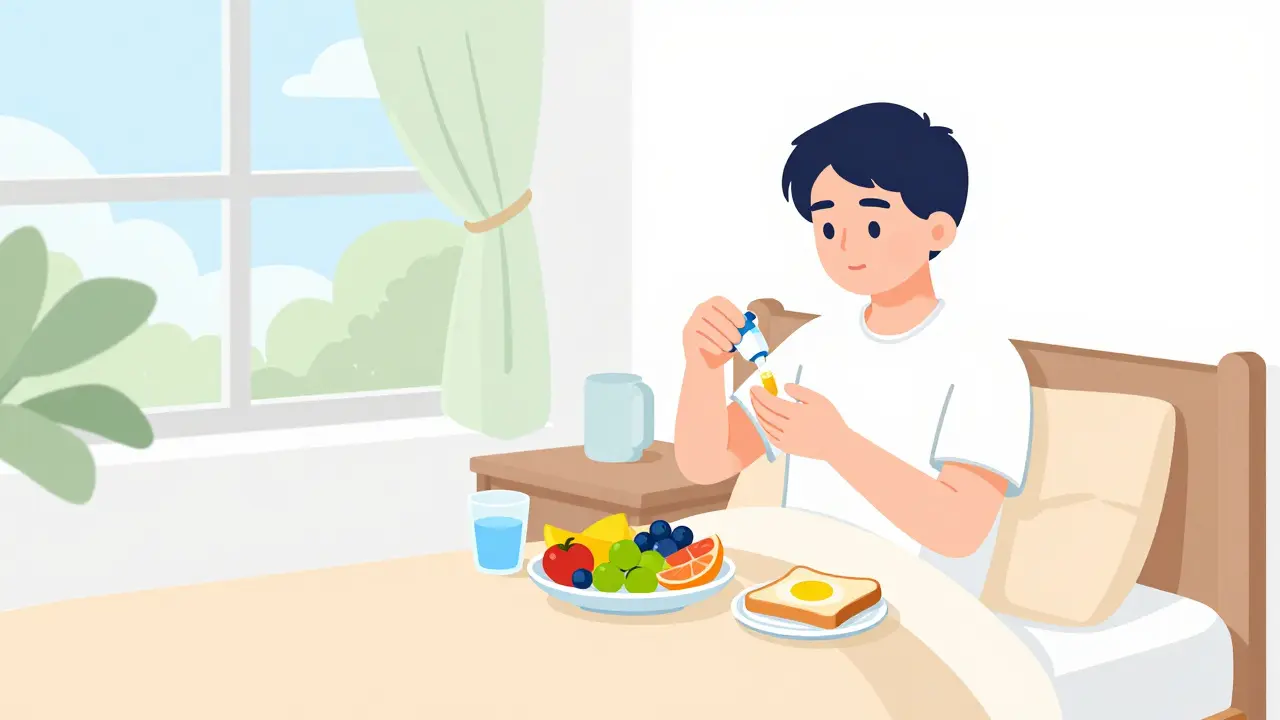
If you're just starting out, try the "step-up" method: start with an antacid for those once-a-month mishaps. If that's not cutting it, move to an H2 blocker taken an hour before your trigger meals. If you're still feeling the burn two or more days a week, start a 14-day course of a PPI, ensuring you take it 30-60 minutes before breakfast.
If symptoms persist after the 14-day PPI course, do not simply buy another bottle. This is the point where you need professional medical advice to rule out complications and potentially move toward prescription-strength options or lifestyle changes to manage your GERD.