OTC Diarrhea Treatments: When to Use and When to See a Doctor
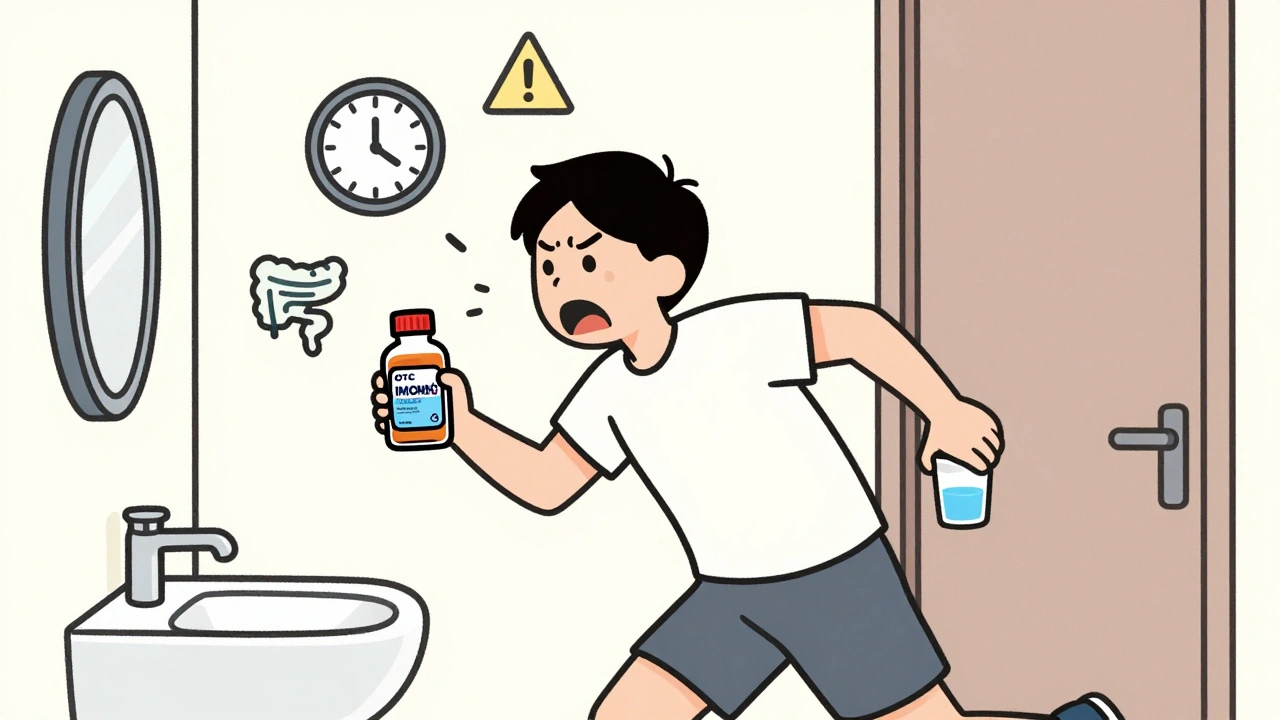
Learn when to use OTC diarrhea treatments like Imodium and Pepto-Bismol - and when to skip them and see a doctor. Get clear guidance on safe dosing, red flags, and hydration.

When your stomach starts churning or you’re stuck with sudden diarrhea, bismuth subsalicylate, a widely used over-the-counter compound that coats the stomach and reduces inflammation in the gut. Also known as the active ingredient in Pepto-Bismol, it’s one of the few remedies that actually works for quick relief without a prescription. You’ve probably seen the pink bottle on the pharmacy shelf—it’s not just a gimmick. Millions reach for it every year when food doesn’t agree, travel throws off their digestion, or a stomach bug hits hard.
Bismuth subsalicylate doesn’t just mask symptoms. It sticks to the lining of your stomach and intestines, forming a protective barrier that calms irritation. It also kills some of the bacteria that cause diarrhea, like E. coli, and reduces fluid leakage into the gut. That’s why it’s often the first choice for travelers’ diarrhea, mild food poisoning, or even heartburn that won’t quit. But it’s not magic. It won’t fix a viral infection, and it won’t help if you’re allergic to aspirin—since bismuth subsalicylate breaks down into salicylate, a cousin of aspirin. People with aspirin allergies, kids under 12, or anyone with flu-like symptoms should avoid it. And if you’re taking blood thinners or methotrexate, talk to your pharmacist first. The interaction isn’t common, but it’s real.
Another thing people don’t always notice: your tongue and stool turn black. It’s harmless, but it can scare you if you didn’t know it was coming. That’s bismuth reacting with sulfur in your saliva and gut. It’s not bleeding, it’s chemistry. And yes, it fades after you stop taking it. But if you’re using it daily for more than two weeks, you’re likely masking something bigger—like chronic acid reflux, IBS, or an ulcer. That’s when you need a doctor, not just the pink bottle.
There are other options for stomach upset: loperamide for quick diarrhea control, probiotics to restore gut balance, or antacids for heartburn. But bismuth subsalicylate is one of the few that tackles multiple problems at once—diarrhea, nausea, indigestion, and even mild abdominal cramps. It’s not the strongest drug out there, but it’s one of the most practical. And because it’s available without a prescription, it’s often the first line of defense when you’re stuck at home, on the road, or just don’t want to deal with a doctor’s office.
What you’ll find in the posts below are real-world stories and medical insights about how this simple compound fits into bigger health pictures—from drug interactions to when it’s safer than antibiotics, and why some people swear by it while others avoid it entirely. You’ll see how it connects to broader issues like antibiotic overuse, traveler’s health, and the fine line between OTC relief and hidden risks. Whether you’ve used it once or every month for years, this collection gives you the facts you didn’t know you needed.
Learn when to use OTC diarrhea treatments like Imodium and Pepto-Bismol - and when to skip them and see a doctor. Get clear guidance on safe dosing, red flags, and hydration.