
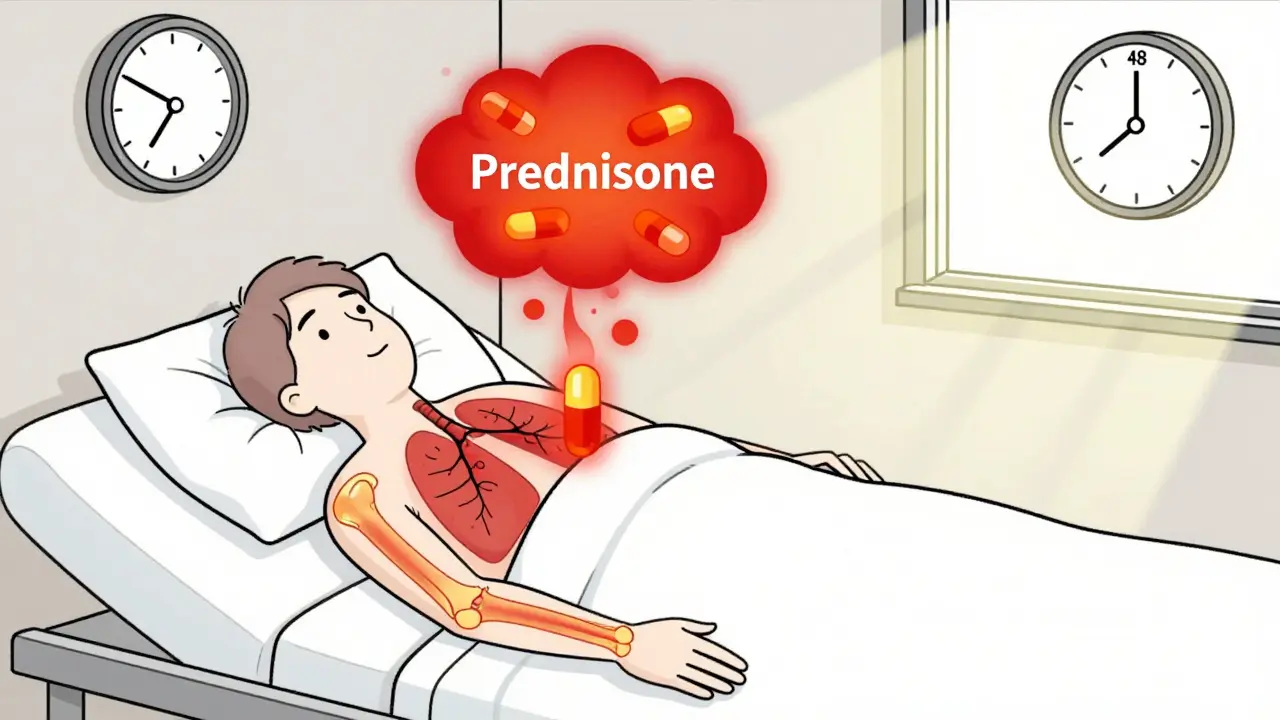
When your joints are swollen, your breathing is tight, or a flare-up has you stuck in bed, corticosteroids can feel like a miracle. Within days, pain fades, swelling drops, and you can breathe again. But what happens after the relief? The truth is, corticosteroids aren’t just a quick fix-they’re a double-edged sword. Used right, they save lives. Used too long, they can change your body in ways that last years-even after you stop taking them.
How Corticosteroids Work (And Why They’re So Fast)
Corticosteroids are synthetic versions of cortisol, the body’s natural stress hormone. When inflammation goes wild-like in rheumatoid arthritis, asthma, or lupus-your immune system overreacts. Corticosteroids shut that down fast. Unlike other drugs that take weeks to work, corticosteroids can calm your immune system in 24 to 48 hours. That’s why doctors reach for them when you’re in crisis.
There are three main types based on how long they last:
- Short-acting (like hydrocortisone): last less than 12 hours
- Intermediate-acting (like prednisone): last 12 to 36 hours-this is the most common oral form
- Long-acting (like dexamethasone): last 36 to 54 hours, used for severe flares or injections
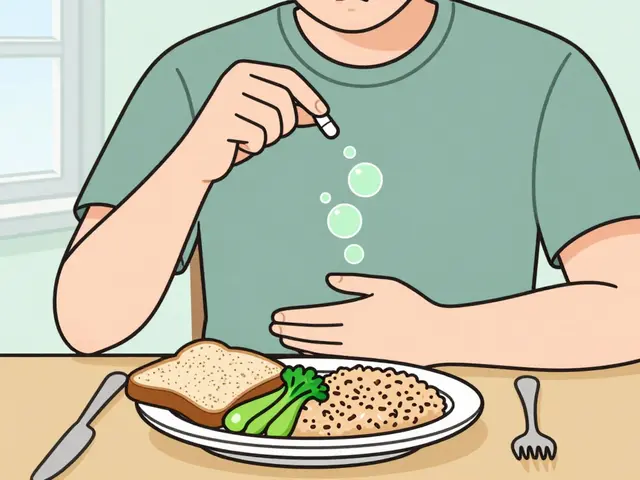
They come as pills, shots, inhalers, creams, or IV drips. Oral pills make up nearly 70% of all prescriptions. Injections-like a cortisone shot in the knee or shoulder-can take up to a week to kick in but often give relief for weeks or months. For acute asthma attacks, inhaled steroids work fast without the full-body side effects.
The Short-Term Payoff: When They Save the Day
Short-term use (under 30 days) is where corticosteroids shine. In a flare-up of lupus or gout, a 5- to 10-day course of prednisone can mean the difference between hospitalization and home. A 2019 New England Journal of Medicine study found patients with severe asthma who got steroids stayed in the hospital 1.8 days less on average.
For conditions like peritonsillar abscess (a severe throat infection), steroids cut the need for surgery by 27%. In emergency rooms, they’re often the first line of defense for allergic reactions, severe eczema, or even some types of nerve pain. The Arthritis & Rheumatology 2021 study showed corticosteroids slashed disease activity scores by 2.1 points in one week-way faster than NSAIDs or placebos.
Patients report life-changing results. One Reddit user wrote: “Prednisone 20mg saved me from hospitalization. In 48 hours, my fever broke and joint swelling dropped 70%.” That’s not an outlier. Nearly 68% of patients on Healthgrades say they got “significant short-term relief.”
The Long-Term Cost: Risks You Can’t Ignore
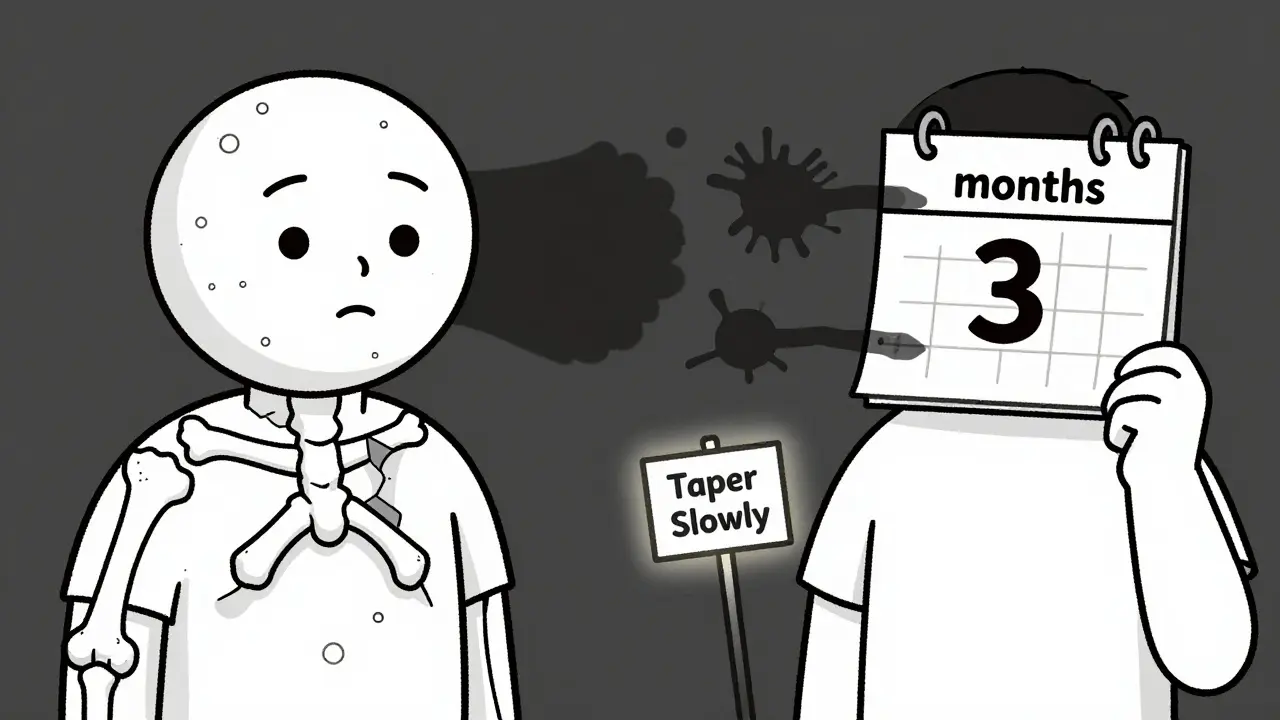
But here’s the catch: the same power that helps you now can hurt you later. Even a 10-day course of oral steroids increases your risk of:
- Sepsis by 430%
- Clots (venous thromboembolism) by 230%
- Bone fractures by 90%
These aren’t rare. A study of 1.5 million patients found these risks spike within just 5 to 30 days of starting steroids. And they don’t vanish when you stop taking them.
Longer use-beyond 3 months-brings more serious damage:
- Weight gain: 87% of users gain an average of 12.4 pounds in just 8 weeks
- Moon face: Round, puffy cheeks from fluid retention-visible in as little as two weeks
- High blood sugar: 41% develop elevated glucose, sometimes triggering full-blown diabetes
- Bone loss: Up to 5% of bone density vanishes each month in the first year
- Cataracts: Risk jumps 30% after 6 months
And it gets worse. A 2023 meta-analysis found that each extra month of steroid use beyond 3 months increases your 10-year mortality risk by 4.7%. That’s not a small number. It means if you’re on steroids for a year instead of three months, your chance of dying within a decade goes up significantly.
Who’s Getting Prescribed-and Why It’s Often Wrong
Here’s the uncomfortable truth: too many people get corticosteroids for problems they don’t help. According to U.S. data, 21% of adults got at least one prescription for systemic steroids between 2012 and 2015. But nearly half of those prescriptions were for conditions like:
- Uncomplicated bronchitis (no benefit)
- Nonspecific back pain (no benefit)
- Common colds (no benefit)
That’s not just wasteful-it’s dangerous. These conditions don’t respond to steroids, yet patients still get the side effects. A 2021 study estimated this misuse costs the U.S. healthcare system $1.2 billion a year in preventable hospitalizations, fractures, and diabetes treatments.
Older adults are hit hardest. People over 65 get corticosteroid prescriptions 2.3 times more often than those under 45. Rural patients get inappropriate prescriptions 1.7 times more often than urban ones. This isn’t about access to specialists-it’s about habits. Too many doctors still default to steroids because they’re fast, cheap, and easy.
How to Use Them Safely: The Rules Experts Follow
If you need corticosteroids, here’s how to minimize harm:
- Use the lowest dose possible. For most conditions, 5-10mg of prednisone daily is enough. Higher doses? Only for emergencies.
- Keep it short. The American College of Rheumatology says no more than 12 weeks for systemic use. For acute issues, aim for 7-14 days.
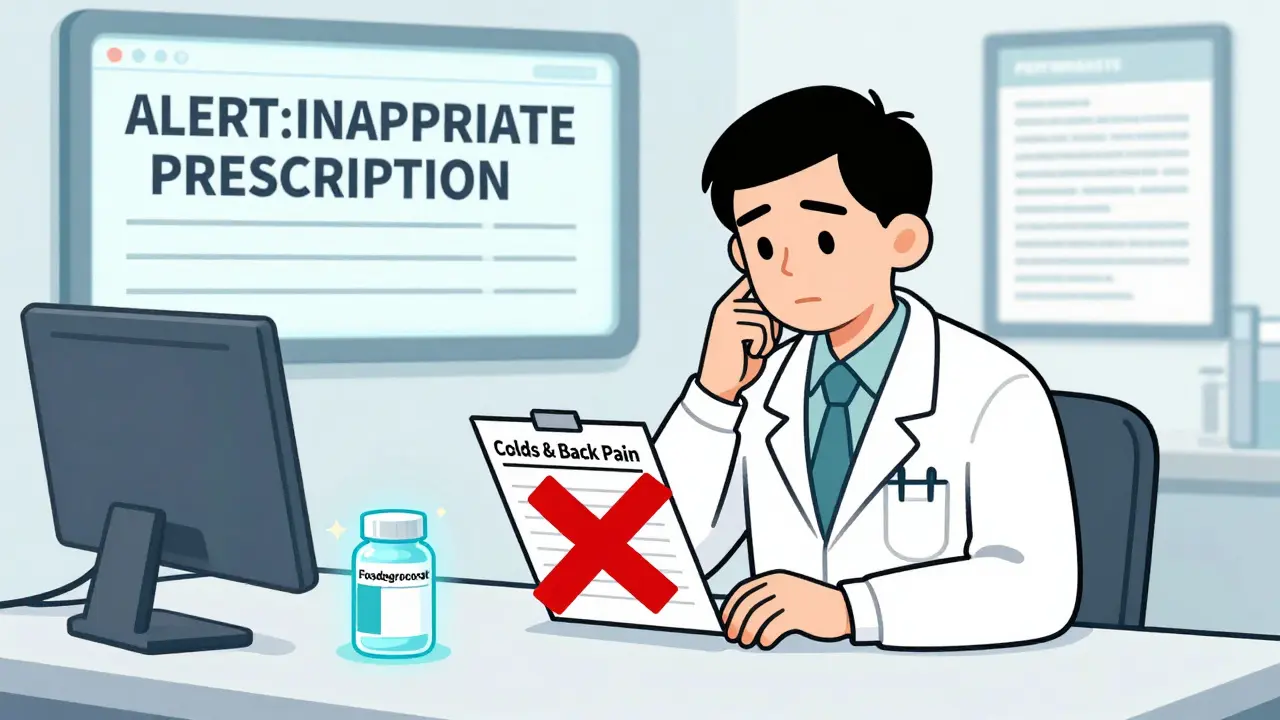
- Never stop cold turkey. Your body stops making natural cortisol when you’re on steroids. Stopping suddenly can cause adrenal crisis-low blood pressure, vomiting, even death. Taper slowly over at least 7 days.
- Monitor your bones. If you’re on more than 7.5mg daily for over 3 months, get a DEXA scan. Add calcium (1200mg/day) and vitamin D (800IU/day). For doses over 20mg, annual zoledronic acid shots can prevent fractures.
- Check your blood sugar. Monthly glucose tests are essential. Many people develop steroid-induced diabetes that disappears after stopping-but not always.
- Get eye exams. Cataracts develop silently. Annual checkups catch them early.
There’s also a new tool: fosdagrocorat, the first selective glucocorticoid receptor modulator (SGRM), approved by the FDA in December 2023. In trials, it gave the same anti-inflammatory effect as prednisone but with 63% less hyperglycemia. It’s not a magic bullet-but it’s a sign that better options are coming.
What Comes Next? The Push for Smarter Use
Doctors are waking up. In January 2024, the American College of Physicians launched “Steroids Smart,” a program that blocks long steroid prescriptions in Medicare Advantage plans unless approved by a specialist. Electronic health records now auto-flag inappropriate prescriptions in 87% of U.S. hospitals. In places that used these alerts, inappropriate prescribing dropped by 31%.
Experts agree: corticosteroids are like a fire extinguisher. You need them when the flames are raging. But if you leave them running, you’ll burn down the house. Dr. Susan Baker of USC put it bluntly: “They’re indispensable in emergencies-but dangerous if left running continuously.”
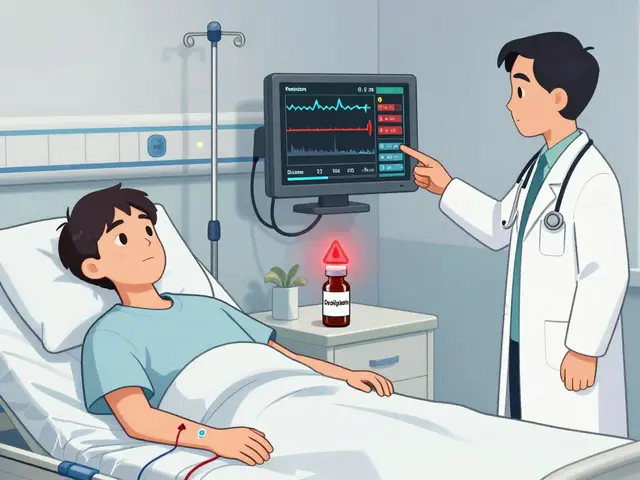
The message is clear: don’t fear corticosteroids. Respect them. Use them only when necessary, for the shortest time possible, and with full monitoring. Because the relief they give today might cost you your health tomorrow.
Are corticosteroids safe for short-term use?
Yes, when used correctly and for a short time (under 30 days), corticosteroids are generally safe and effective. But even short courses carry risks: increased chance of infection, blood clots, and bone fractures. The key is using the lowest effective dose and avoiding use for conditions that don’t respond to steroids, like common colds or simple bronchitis.
How long does it take for corticosteroid side effects to appear?
Some side effects show up fast. Weight gain and mood swings can begin within days. Moon face and fluid retention often appear within 1-2 weeks. Blood sugar spikes can happen in the first week, especially in people with prediabetes. Bone loss starts as early as 3-5% per month after just 6 weeks of use. The longer you’re on them, the more damage accumulates.
Can you recover from long-term steroid damage?
Some damage is reversible. Weight gain, high blood sugar, and mood changes often improve after stopping. But not all. Bone density loss, cataracts, and steroid-induced diabetes can be permanent. Osteoporosis from long-term use increases fracture risk for life. That’s why prevention-through limited use and monitoring-is far better than trying to fix the damage later.
Why do doctors still prescribe corticosteroids for colds and back pain?
Because they’re easy. For many doctors, prescribing a short course feels like doing something-especially when patients expect a pill. But studies show steroids offer no benefit for viral infections like colds or uncomplicated back pain. This is a known overuse problem. In fact, 47% of all corticosteroid prescriptions in the U.S. are for conditions without proven benefit. New guidelines and electronic alerts are slowly changing this habit.
Is there a safer alternative to corticosteroids?
For long-term management, yes. Disease-modifying drugs (DMARDs) like methotrexate or biologics like Humira work slower but don’t cause the same systemic damage. For acute flares, newer options like fosdagrocorat (approved in late 2023) offer similar anti-inflammatory effects with far fewer side effects. But for immediate relief during a life-threatening flare, nothing beats corticosteroids. The goal isn’t to eliminate them-it’s to use them wisely and switch to safer options as soon as possible.


March 12, 2026 AT 16:09
i took prednisone for a flare last year and honestly? it felt like a miracle. then i gained 15 lbs, couldn't sleep, and my face looked like a balloon. never again unless i'm dying. also why is everyone still getting this for bronchitis??? 🤦♀️