Chronic Pain Management: Effective Strategies, Medications, and Real Relief
When chronic pain management, the ongoing approach to reducing persistent pain that lasts beyond normal healing time. Also known as long-term pain control, it's not just about taking pills—it's about fixing the broken signals in your nerves, brain, and muscles that keep hurting long after an injury heals. Too many people get stuck on opioids because they’re easy to prescribe, but they often make things worse over time—slowing digestion, fogging your mind, and even heightening pain sensitivity. That’s why modern chronic pain management focuses on stacking smart, safe tools together, not relying on one drug to do everything.
Think of it like a toolbox. You’ve got multimodal pain control, using multiple non-opioid methods at once to target pain from different angles—physical therapy to move stiff joints, nerve blocks to quiet overactive signals, and even cognitive behavioral techniques to retrain how your brain interprets pain. Then there’s non-stimulant alternatives, medications that help with pain without the crash, jitter, or addiction risk of stimulants like certain antidepressants or anticonvulsants, which actually change how nerves send pain messages. And let’s not forget lifestyle: sleep, movement, and stress control aren’t optional extras—they’re core parts of the treatment plan. Studies show people who combine these approaches cut their opioid use by half or more, and feel better doing it.
What you won’t find in most clinics is a one-size-fits-all fix. Your pain is unique—maybe it started after surgery, maybe it’s tied to arthritis, or maybe it’s nerve damage from diabetes. That’s why the best chronic pain management plans are personal. Some people need to manage opioid side effects, the unwanted consequences like constipation, drowsiness, or bowel dysfunction that come with long-term opioid use while others need to avoid drugs that clash with their heart meds or kidney function. The posts below show real cases: how someone with post-surgery pain avoided ileus by switching their pain plan, how a person with arthritis tracks progress with simple scores, and how statin users learned to keep moving even with muscle pain. You’ll see what actually works for real people—not theory, not ads, not hype. This isn’t about quick fixes. It’s about building a sustainable plan that lets you live, not just endure.
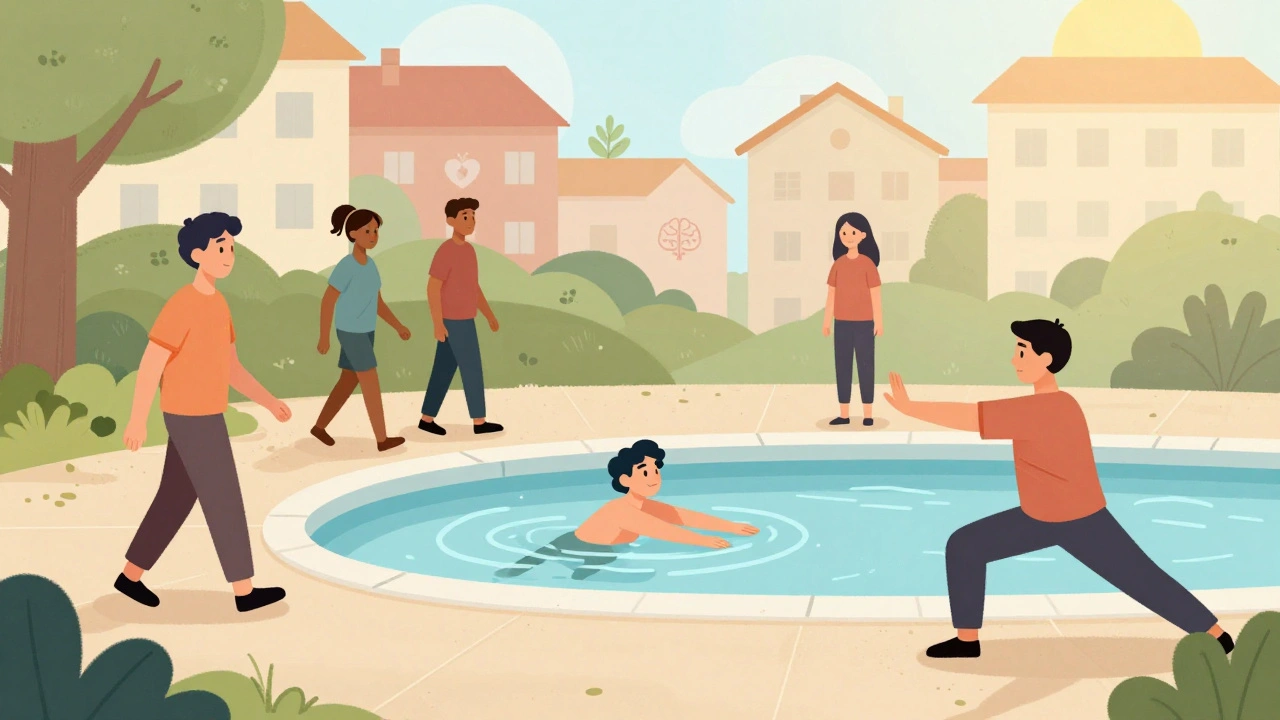
Chronic pain lasts beyond healing and affects millions. Learn science-backed, non-opioid strategies like exercise, CBT, and multidisciplinary rehab to manage pain and reclaim daily life.