CYP450 Interactions: How Drug Metabolism Affects Your Medications
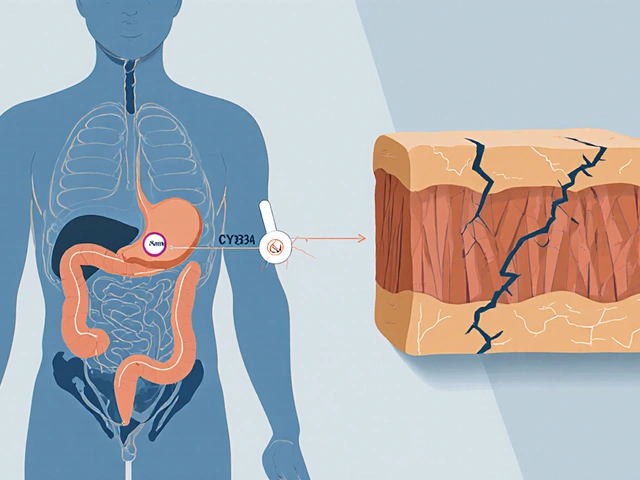
When you take a pill, your body doesn’t just absorb it—it CYP450, a family of liver enzymes responsible for breaking down most medications. Also known as cytochrome P450, it’s the main system your body uses to process drugs. If this system gets overloaded, slowed down, or blocked by another substance, your medication can become too strong, too weak, or even toxic. That’s what we call a CYP450 interaction, and it’s one of the most common reasons people experience unexpected side effects or treatment failures.
Think of CYP450 enzymes like a team of factory workers on an assembly line. Some drugs speed them up, others slow them down, and some get in the way entirely. For example, grapefruit juice can shut down CYP3A4—a major enzyme in this family—making drugs like statins or calcium channel blockers build up to dangerous levels. On the flip side, smoking can crank up enzyme activity, causing meds like certain antidepressants to clear out too fast. These aren’t rare quirks—they show up in everyday prescriptions. The same enzymes that handle your blood pressure pill also process opioids, antifungals, and even some herbal supplements. That’s why a drug interaction isn’t just about two pills clashing—it’s about your whole metabolic system being pulled in different directions.
It’s not just about what you take—it’s about who you are. Genetics play a big role. Some people naturally have faster or slower CYP450 activity, which is why two people on the same dose can have totally different reactions. And it’s not just pills. Things like alcohol, St. John’s wort, or even a high-fat meal can change how your body handles meds. That’s why knowing your CYP450 profile isn’t just for doctors—it’s critical for you too. If you’re on more than one medication, or if you’ve ever had an odd reaction to a drug, you’re already in the middle of a CYP450 story.
Below, you’ll find real-world guides that show exactly how these interactions play out. From how opioids affect bowel function after surgery to why your statin might be causing muscle pain, each post breaks down how CYP450 enzymes are involved—and what you can do about it. You’ll learn how to spot hidden risks, avoid dangerous combos, and talk to your pharmacist about what’s really going on inside your body. This isn’t theory. It’s what happens when your meds meet your metabolism—and how to make sure you come out on top.
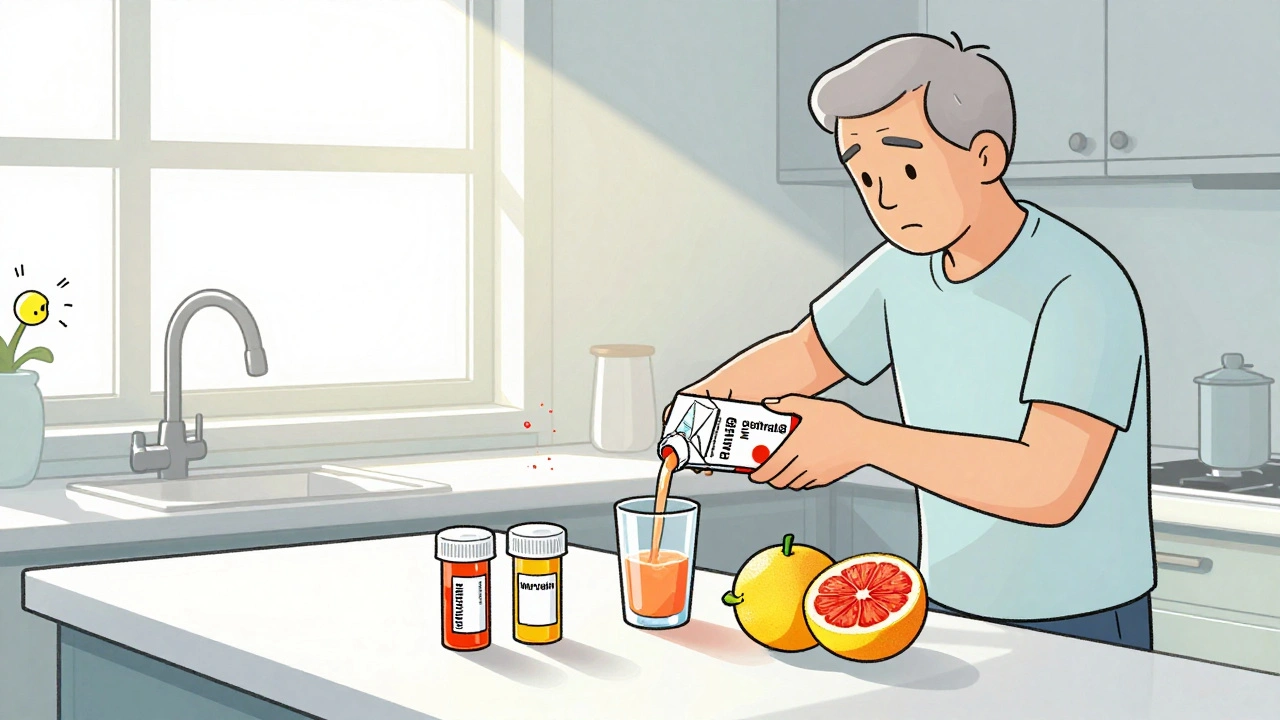
Grapefruit can dangerously increase levels of warfarin and certain SSRIs by blocking CYP450 enzymes. Learn which medications are at risk, why timing doesn't help, and what to do instead.