Diabetes Medications: Types, Choices, and What Really Works
When you have diabetes medications, drugs used to lower blood sugar in people with diabetes. Also known as antihyperglycemics, these aren’t just pills you take—they’re tools that help your body manage a condition that affects how it turns food into energy. Whether you’re newly diagnosed or have been managing diabetes for years, knowing what’s available and how each one works makes a real difference in your daily life.
Not all diabetes medications work the same way. metformin, for example, is often the first choice because it helps your liver make less sugar and makes your body use insulin better. It’s cheap, well-studied, and doesn’t usually cause weight gain or low blood sugar. Then there’s insulin, which is essential for people with type 1 diabetes and sometimes needed in type 2 when other drugs stop working. Insulin isn’t a failure—it’s a necessary part of keeping your blood sugar in range. Newer options like GLP-1 agonists (like semaglutide) help your body release insulin only when needed, slow digestion, and even help with weight loss. These aren’t magic bullets, but they’ve changed how many people manage their condition.
What you’re taking depends on your type of diabetes, your weight, your other health issues, and even your budget. Some drugs cause stomach upset. Others might raise your risk of infections or low blood sugar. A few can help you lose weight, which in turn makes your body respond better to insulin. The goal isn’t to take the most drugs—it’s to find the right mix that keeps your numbers steady without making your life harder. You’ll see posts here that explain how to handle side effects, when to switch meds, why some people need insulin while others don’t, and how newer drugs compare to older ones. There’s no one-size-fits-all answer, but the right information can help you make smarter choices with your doctor—and feel more in control of your health.
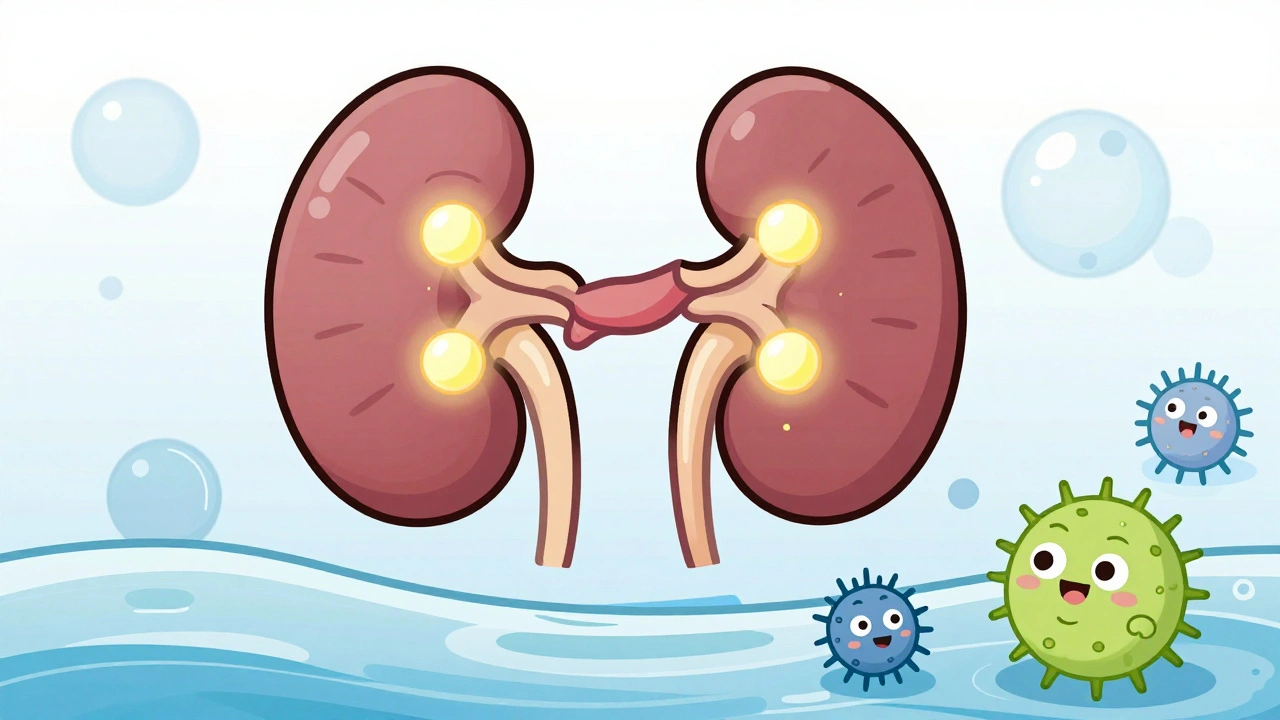
SGLT2 inhibitors help lower blood sugar in type 2 diabetes but increase the risk of yeast and urinary tract infections. Learn who’s most at risk, what symptoms to watch for, and how to stay safe while using these powerful medications.