Dialysis: What It Is, How It Works, and What You Need to Know
When your kidneys can’t filter waste anymore, dialysis, a medical procedure that removes waste and extra fluid from the blood when kidneys fail. Also known as renal replacement therapy, it’s not a cure—but it’s life-saving. Without it, toxins build up fast. Fluid swells your body. Electrolytes go haywire. You don’t have to wait for that to happen—dialysis steps in before things turn critical.
Dialysis comes in two main forms: hemodialysis, a process where blood is filtered through a machine outside the body, and peritoneal dialysis, a method that uses the lining of your abdomen as a natural filter. Hemodialysis usually happens three times a week at a clinic, each session lasting three to five hours. Peritoneal dialysis can be done at home, often while you sleep, using a fluid that flows in and out of your belly through a catheter. Neither is perfect. Both require strict routines. But millions live full lives on either one.
People need dialysis when chronic kidney disease hits stage 5—when kidneys work at 10-15% or less. Diabetes and high blood pressure are the top causes. But it’s not just for the elderly. Young adults, even teens, can need it after accidents, autoimmune diseases, or genetic conditions. Some wait for a transplant. Others stay on dialysis for years. The key is consistency. Missing a session can land you in the ER. Skipping fluids or meds can cause heart trouble. It’s not just about the machine—it’s about what you eat, drink, and do every day.
You’ll hear about complications: low blood pressure during sessions, infections at access sites, itchy skin, muscle cramps. These are real. But they’re manageable. Newer machines track blood flow better. Better dialysis fluids reduce inflammation. Doctors now tailor treatments to your weight, heart health, and lifestyle. And while transplant is the goal for many, dialysis gives you time to get there—or live well without one.
What you’ll find below are clear, no-fluff guides on how dialysis fits into real life. From how to avoid infections at your dialysis site, to what happens if you miss a treatment, to how diet changes when you’re on the machine. We cover what works, what doesn’t, and what most guides leave out. These aren’t theory pieces—they’re written by people who’ve lived it, or helped them live it.
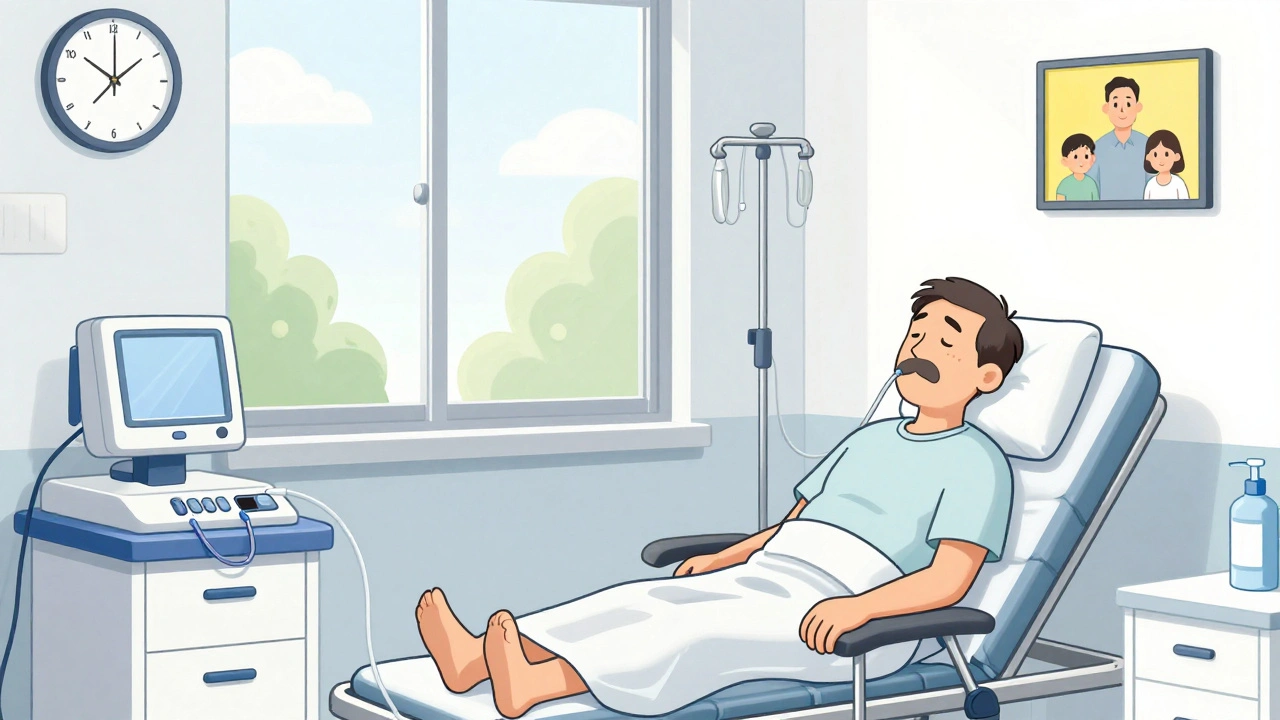
End-stage renal disease requires life-sustaining treatment. Dialysis keeps you alive; a kidney transplant helps you live. Learn how quality of life, survival rates, and access differ between treatments-and what you can do to improve your outcomes.