Drug Effects: Understanding How Medications Impact Your Body and What to Watch For
When you take a drug, a chemical substance used to treat, cure, prevent, or diagnose a disease. Also known as medication, it doesn’t just disappear after you swallow it—it interacts with your body in complex ways that can save your life or cause serious harm if misunderstood. Every pill, injection, or patch you use has a drug effect: it changes how your cells, organs, or nervous system work. Some effects are intentional—like lowering blood pressure or killing bacteria—but others are side effects, and those can be just as important to know.
Not all drug effects are obvious. Some show up right away, like drowsiness from an antihistamine or stomach upset from an antibiotic. Others build up slowly, like liver stress from long-term painkillers or changes in cholesterol from statins. That’s why knowing the pharmacokinetics, how your body absorbs, distributes, metabolizes, and gets rid of a drug matters. It explains why one person gets sick from a dose that works fine for someone else. Genetics, age, other meds, even what you ate that day—all of it changes how a drug behaves in your system. And when you mix drugs, the results aren’t always predictable. A common pain reliever might make your blood thinner, or an allergy pill could make your heart race if you’re also on an ADHD medication.
Then there’s the risk of ignoring the signs. Muscle pain after starting a statin? Don’t just quit—talk to your doctor. A cough that won’t go away after a cold? Antibiotics won’t help, and using them anyway can do more damage. Lost your meds while traveling? There’s a safe way to replace them without risking counterfeit pills. These aren’t edge cases—they’re everyday situations covered in the posts below. You’ll find clear, no-nonsense guides on how to spot dangerous drug interactions, when two or more medications combine in harmful ways, how to manage medication side effects, unintended physical or mental reactions to a drug, and what to do when things don’t go as planned. Whether you’re managing a chronic condition, dealing with a sudden illness, or just trying to sleep better, understanding drug effects isn’t just helpful—it’s essential for staying in control of your health.
What follows isn’t a list of random articles. It’s a curated collection of real-world advice from people who’ve been there—whether it’s choosing between antidepressants, avoiding heart risks from stimulants, or safely replacing prescriptions overseas. You’ll learn what works, what doesn’t, and what to watch out for. No fluff. No guesswork. Just the facts you need to make smarter choices with your meds.
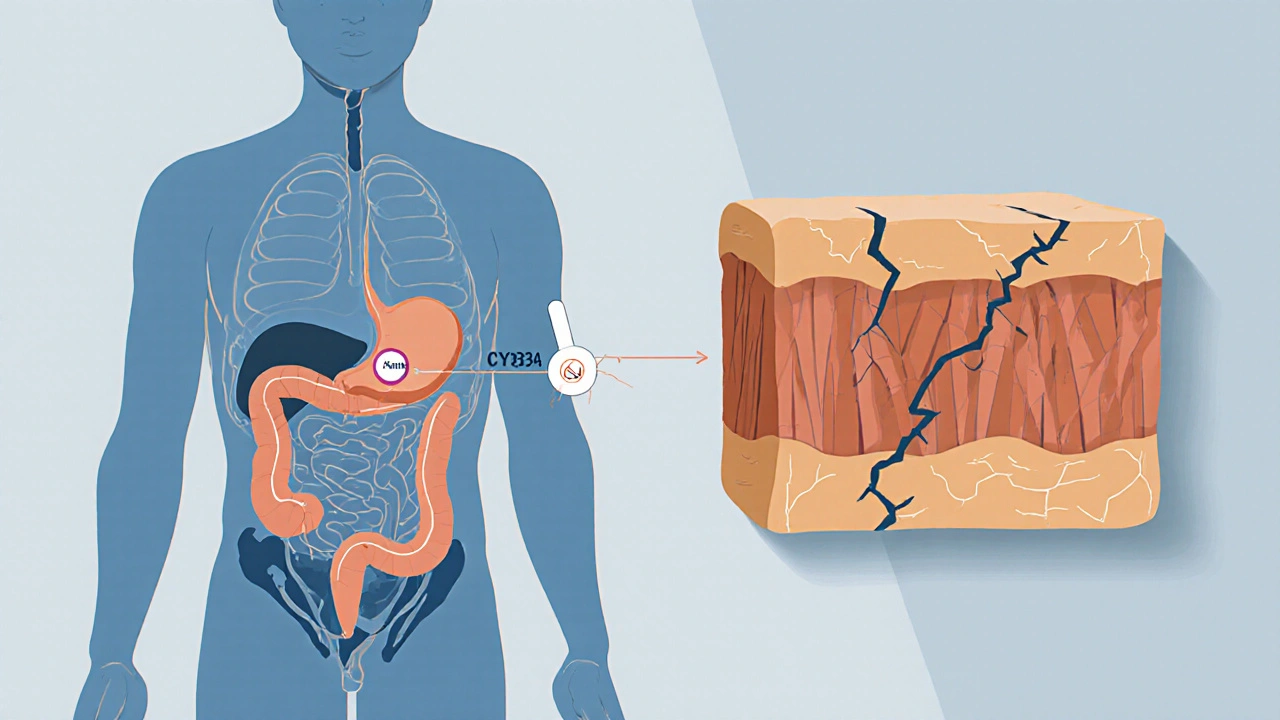
Learn the difference between pharmacokinetic and pharmacodynamic drug interactions-how they work, why they matter, and how to avoid dangerous combinations. Real-world examples and expert insights.