ESRD Treatment: Dialysis, Transplants, and What Actually Works
When your kidneys stop working, you’re facing end-stage renal disease, the final stage of chronic kidney disease where the kidneys can no longer filter waste or regulate fluids. Also known as kidney failure, it doesn’t mean your life is over—but it does mean you need a clear plan to stay alive and feel better. ESRD treatment isn’t just about machines or surgery. It’s about choosing the right path for your body, your lifestyle, and your goals.
Most people start with dialysis, a process that filters waste and extra fluid from the blood when kidneys can’t. There are two types: hemodialysis, done at a clinic three times a week, and peritoneal dialysis, done at home daily. Neither fixes the problem, but both keep you alive. The real question isn’t which one works better—it’s which one fits your life. Some people hate the clinic schedule. Others don’t want to manage their own treatment. And some can’t do either due to other health issues.
kidney transplant, the most effective long-term solution for ESRD, changes everything. A working kidney from a donor—living or deceased—can restore near-normal function. People who get transplants live longer, feel better, and don’t need dialysis. But it’s not simple. You need to be healthy enough for surgery, find a match, take lifelong anti-rejection drugs, and watch for infections. Not everyone qualifies. Not everyone wants to try. But for those who do, it’s often the best shot at a normal life.
What most guides miss is that ESRD treatment starts long before dialysis or transplant. It’s about managing chronic kidney disease, the slow decline that leads to kidney failure before it’s too late. Controlling blood pressure, avoiding NSAIDs, watching protein and salt intake, and quitting smoking can delay ESRD by years. Even if you’re already in ESRD, these steps help you stay stronger for treatment.
And it’s not just drugs and procedures. Nutrition, fluid limits, and daily routines matter just as much. People who stick to their diet and fluid goals on dialysis live longer. Those who move regularly, sleep well, and manage stress handle treatment better. ESRD treatment isn’t just what your doctor prescribes—it’s what you do every day.
Below, you’ll find real, practical guides on what works, what doesn’t, and how to avoid common mistakes. From how to handle dialysis side effects to what to expect after a transplant, these posts give you the details most doctors don’t have time to explain. No fluff. Just what you need to make smarter choices.
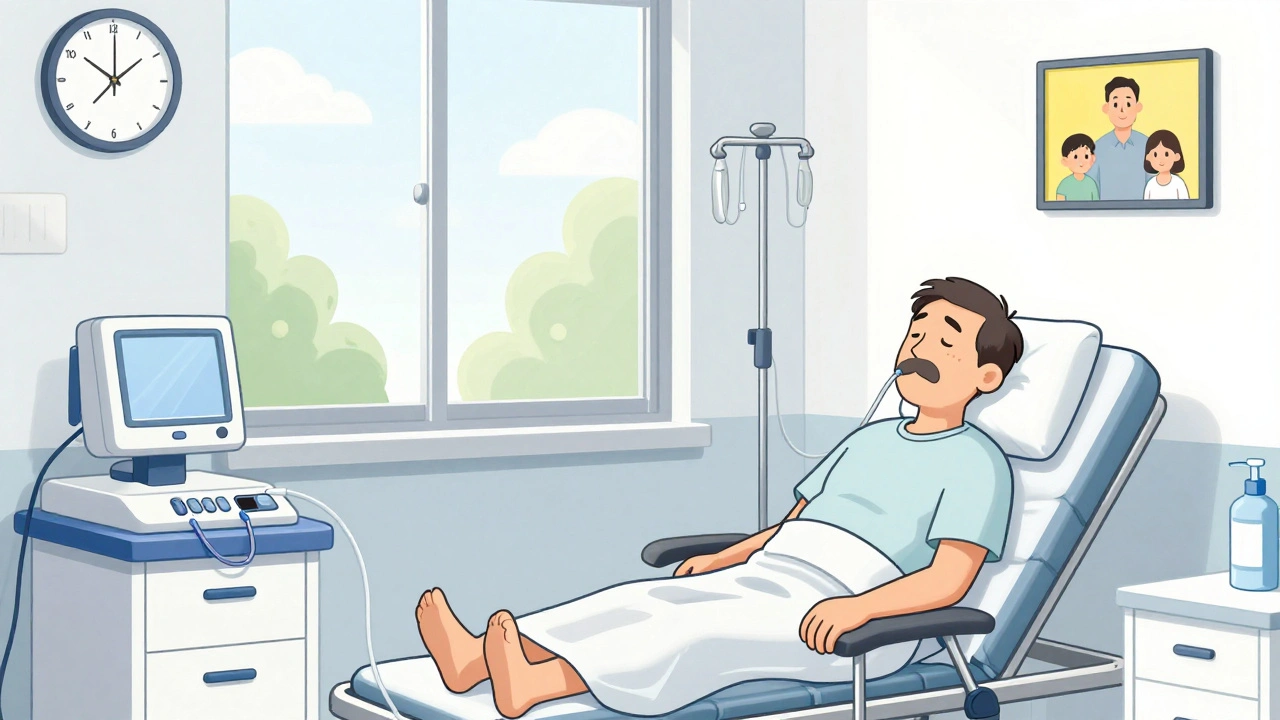
End-stage renal disease requires life-sustaining treatment. Dialysis keeps you alive; a kidney transplant helps you live. Learn how quality of life, survival rates, and access differ between treatments-and what you can do to improve your outcomes.