FDA Safety Communications: What You Need to Know About Drug Warnings
When the FDA safety communications, official alerts issued by the U.S. Food and Drug Administration to warn the public about serious risks tied to medications or medical products. Also known as Drug Safety Communications, these notices aren’t routine updates—they’re red flags. They appear when something dangerous shows up after a drug hits the market. Think of them as the FDA’s way of saying, ‘We didn’t see this coming during trials, but now we know it’s real.’
These alerts often tie directly to CYP450 interactions, how certain drugs interfere with liver enzymes that break down other medications, like grapefruit making warfarin or SSRIs dangerously strong. They also cover medication guides, printed handouts required by the FDA for high-risk drugs to help patients understand dangers—things you’re supposed to read before taking pills like moxifloxacin or cabergoline. And they don’t just target new drugs. Even old standbys like statins or calcium channel blockers get flagged when new data shows hidden risks, especially when combined with other meds or foods.
FDA safety communications are how you find out why a drug got pulled, why your pharmacist asked if you eat grapefruit, or why your doctor switched your ADHD med after a heart rhythm scare. They’re behind the scenes of every warning label, every refill restriction, and every time your pharmacy calls to confirm you’re not mixing two risky pills. These aren’t theoretical—they’re tied to real cases: people hospitalized from opioid-induced bowel delays, others with muscle damage from statins, or sudden heart issues from stimulants. The posts below dig into exactly these scenarios—how to spot the signs, what to ask your doctor, and how to avoid getting caught in a hidden risk.
What you’ll find here isn’t just a list of alerts. It’s a practical guide to understanding what those alerts mean for your daily life. Whether you’re managing chronic pain, taking blood pressure meds, or just trying to sleep better, the real-world advice below helps you stay safe without playing guesswork with your health.
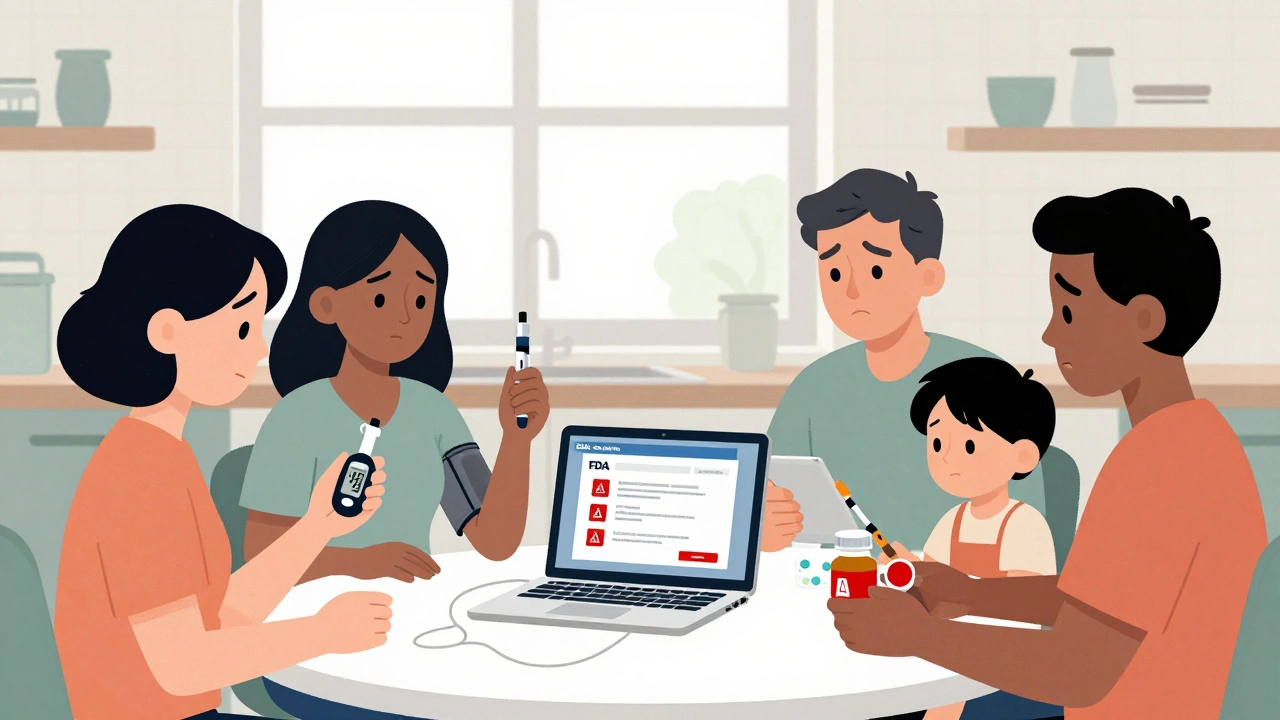
Subscribe to FDA Safety Communications to receive real-time alerts about recalls, drug risks, and medical device dangers. Learn how keyword-based notifications can protect your health and prevent harm.