FDA Subscription: Stay Updated on Drug Safety, Labels, and Alerts
When you sign up for an FDA subscription, a free service from the U.S. Food and Drug Administration that delivers official updates on drug approvals, safety alerts, and labeling changes. Also known as FDA email alerts, it’s the most direct way to get trustworthy information about your medications before it hits the news or your pharmacy shelf. This isn’t just for doctors or pharmacists—anyone taking prescription drugs, supplements, or even over-the-counter meds should know what’s in their medicine cabinet and why.
The Medication Guide, a handout required by the FDA for high-risk drugs that explains serious side effects and how to use them safely, is one of the main reasons people need this subscription. When the FDA updates a Medication Guide—like adding a new warning about heart rhythm risks with stimulants or liver damage from certain antibiotics—you’ll get it第一时间. The same goes for changes in drug labeling, the official text that tells doctors and patients how a drug should be used, who shouldn’t take it, and what to avoid. For example, if grapefruit suddenly gets a new black box warning with your blood thinner, you’ll know before you eat your morning smoothie.
FDA subscription also connects you to pharmacovigilance, the science of tracking drug safety after they’re on the market. Most people think drugs are safe once approved, but real-world use often reveals problems not seen in clinical trials. That’s why the FDA tracks reports of muscle pain from statins, liver damage from herbal supplements, or sudden dizziness from new antidepressants. When these patterns show up, they issue alerts—and subscribers get them first. You’ll see how these alerts tie directly to posts about CYP450 interactions, statin side effects, and prescription transfers, because those are the real-world outcomes the FDA is watching.
There’s no cost, no signup fees, and no spam. You choose what you want: alerts for new drug approvals, recalls of specific brands, updates to black box warnings, or even changes to how generics are approved. If you’ve ever wondered why your pharmacist suddenly asked about your grapefruit intake, or why your prescription label changed overnight, it’s because the FDA sent a notice—and now you can get it too. The posts below cover everything from how to replace lost meds abroad to why certain drugs interact with your liver enzymes. Each one was written with the latest FDA guidance in mind. With this subscription, you’re not just reading about safety—you’re staying ahead of it.
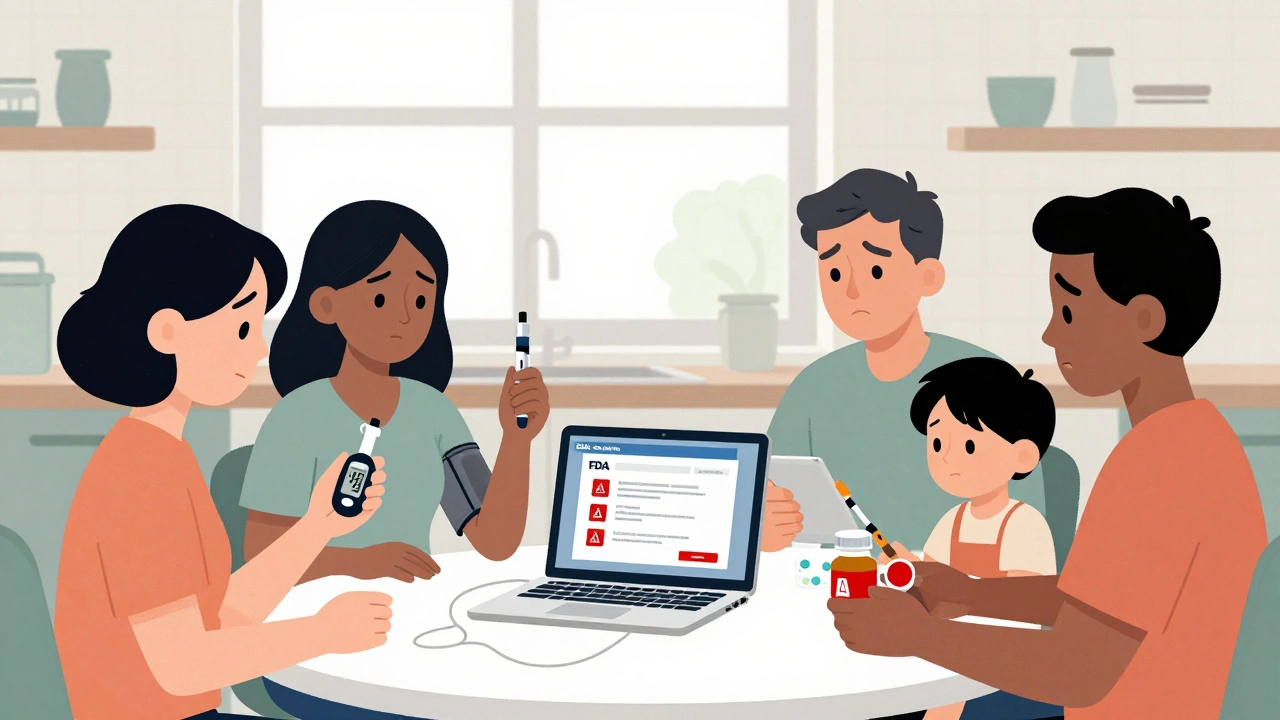
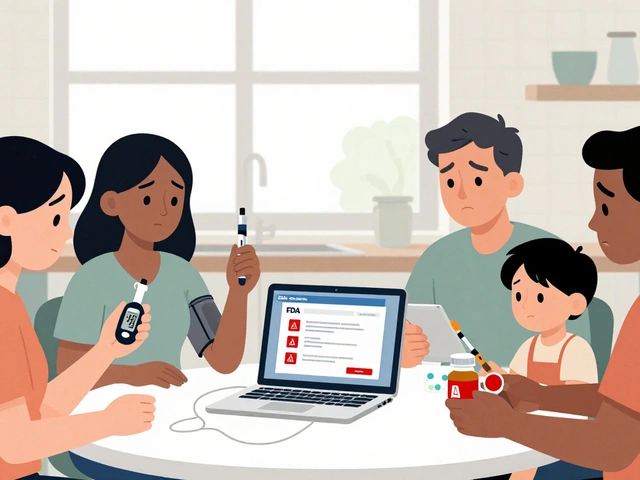
Subscribe to FDA Safety Communications to receive real-time alerts about recalls, drug risks, and medical device dangers. Learn how keyword-based notifications can protect your health and prevent harm.