HSV-2: What It Is, How It Spreads, and What You Can Do
When people talk about HSV-2, a type of virus that causes genital herpes and spreads through skin-to-skin contact during sexual activity. Also known as genital herpes, it’s one of the most common sexually transmitted infections worldwide—yet it’s still misunderstood. Unlike HSV-1, which usually causes cold sores around the mouth, HSV-2 targets the genitals and surrounding areas. It doesn’t go away once you have it, but that doesn’t mean you can’t live a normal, healthy life with it.
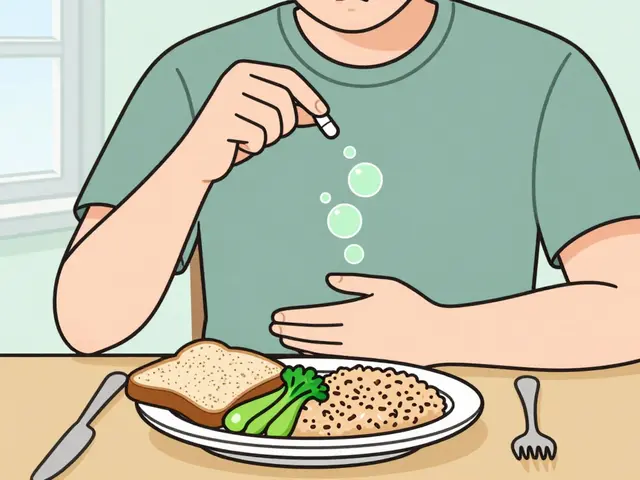
Many people with HSV-2 never have symptoms, or they mistake them for something else—like a pimple, yeast infection, or razor burn. When outbreaks do happen, they often start with tingling, itching, or burning, followed by small blisters that break open and form painful sores. These usually heal in one to two weeks, but the virus stays in your nerves and can reactivate. Stress, illness, or even just a bad night’s sleep can trigger another episode. The good news? Antiviral treatment, medications like acyclovir, valacyclovir, or famciclovir that reduce outbreak frequency and severity works well for most people. Taking it daily can cut transmission risk by up to 50%, and taking it at the first sign of an outbreak can shorten it by days.
It’s not just about pills. Sexually transmitted infection, a category of infections spread through sexual contact, including HSV-2, chlamydia, gonorrhea, and HIV prevention isn’t just about condoms—it’s about communication. Talking openly with partners, getting tested regularly, and knowing your status helps break the cycle. You don’t need to feel ashamed. Millions live with HSV-2 and still have fulfilling relationships. What matters is how you manage it, not whether you have it.
There’s no cure yet, but science is moving forward. Research into vaccines and new antiviral drugs is ongoing, and some studies show promise for long-term suppression with fewer side effects. Meanwhile, the tools you have now—medication, lifestyle tweaks, and honest conversations—are enough to keep things under control. You’re not alone. The posts below cover real experiences, treatment tips, how to talk to doctors, what to avoid, and how to reduce the risk of passing it on—without fear or fluff.
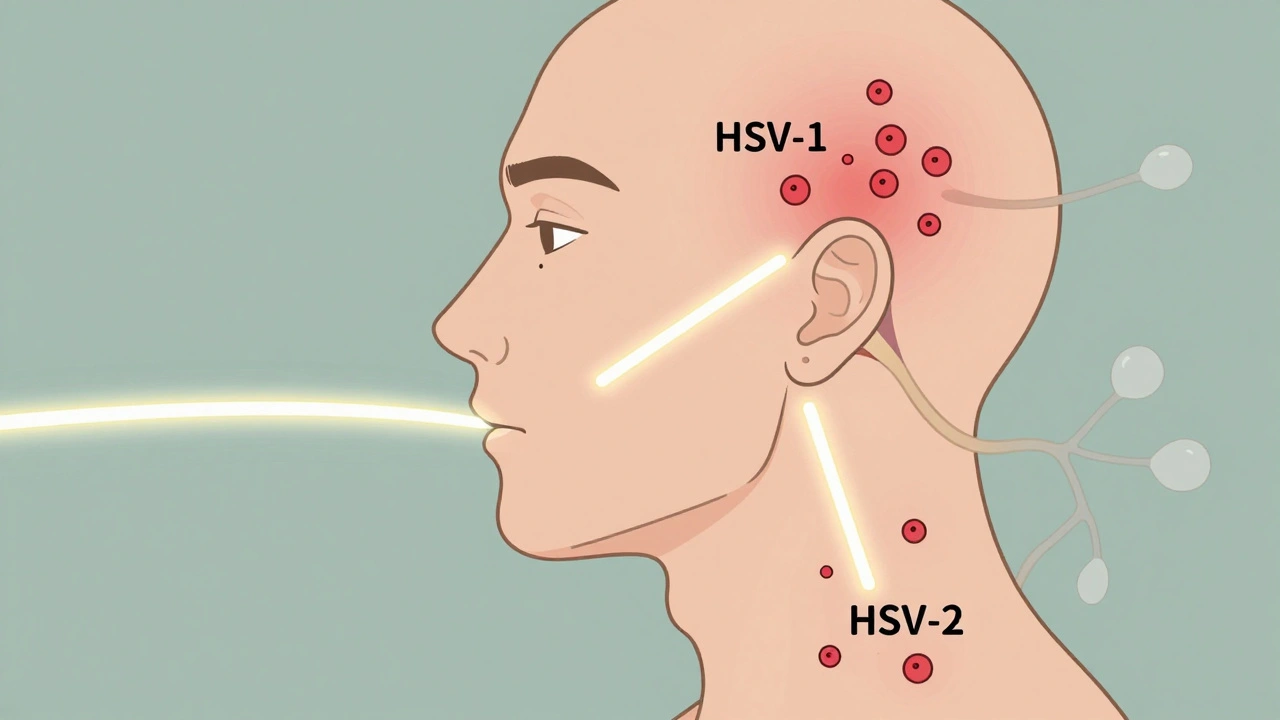
Herpes simplex virus affects billions worldwide. Learn the differences between HSV-1 and HSV-2, what outbreaks look like, how antiviral therapy works, and how to reduce transmission and manage symptoms effectively.