OTC Sleep Aids: What Works, What Doesn’t, and How to Use Them Safely
When you can’t sleep, OTC sleep aids, over-the-counter medications used to help with short-term insomnia. Also known as non-prescription sleep medications, they’re often the first thing people reach for after a bad night. But not all of them are created equal. Some work for a few nights. Others leave you groggy all day. And a few? They might do more harm than good if used the wrong way.
Most OTC sleep aids fall into two main groups: melatonin, a natural hormone your body makes to regulate sleep-wake cycles, and antihistamines, drugs like diphenhydramine and doxylamine that cause drowsiness as a side effect. Melatonin is gentle—it helps reset your internal clock, especially if you’re jet-lagged or work night shifts. But it won’t knock you out if you’re wide awake. Antihistamines? They’re stronger. You’ll feel sleepy fast. But they also mess with your brain chemistry, and over time, your body gets used to them. That’s why you end up needing more just to feel the same effect.
Here’s the thing: these aren’t long-term fixes. If you’re relying on OTC sleep aids every night for weeks, something else is going on. Stress, anxiety, poor sleep habits, or even an untreated medical condition like sleep apnea could be the real culprit. And using antihistamines regularly? That’s linked to higher risks of memory problems later in life, especially for people over 65. Melatonin is safer for longer use, but even then, taking too much can throw off your natural rhythm. The key isn’t just finding the right pill—it’s understanding why you need it in the first place.
Some people swear by herbal options like valerian root or chamomile. They’re mild, and for some, they help. But they’re not regulated like drugs, so what’s in the bottle might not match the label. And don’t assume natural means safe—some herbs interact with heart meds, blood thinners, or antidepressants. Always check with a pharmacist before mixing them with anything else.
What you’ll find in the posts below are real, practical breakdowns of what’s actually in these products, how they compare, and who they help—or hurt. You’ll see how diphenhydramine stacks up against doxylamine, why melatonin doses vary wildly between brands, and what hidden ingredients to watch out for. There’s no fluff. Just clear, no-nonsense info from people who’ve been there and checked the science. Whether you’re trying to get through a rough week or just want to avoid waking up feeling like a zombie, this collection gives you the facts you need to make smarter choices—without a prescription.
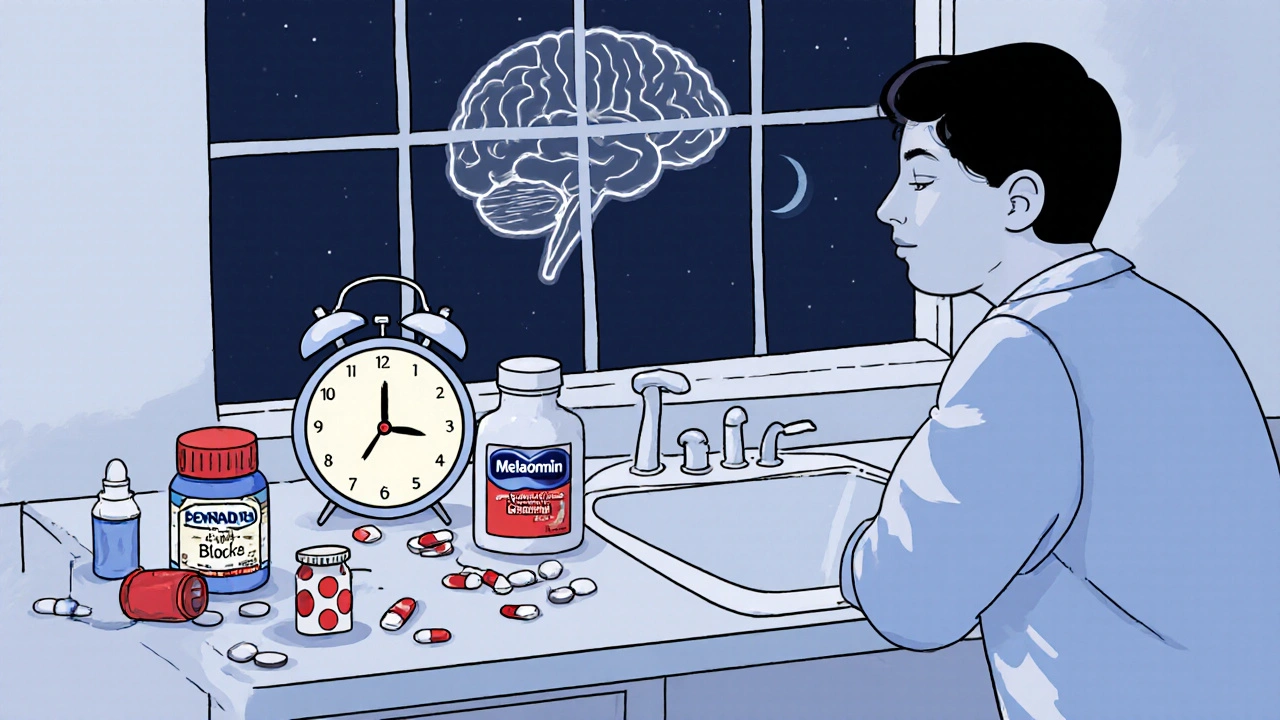
OTC sleep aids like diphenhydramine and melatonin offer short-term relief but carry serious risks with long-term use. Learn what they really do, their side effects, and safer alternatives backed by science.