Pharmacodynamic Interactions: How Drugs Affect Each Other in Your Body
When you take more than one medication, your body doesn’t treat them like separate events. Pharmacodynamic interactions, the way drugs change each other’s effects at the site of action in your body. Also known as drug-drug interactions at the receptor level, they happen when one drug makes another stronger, weaker, or even dangerous—even if neither changes how the other is absorbed or broken down. This isn’t about liver enzymes or kidney clearance. It’s about what happens when two drugs meet at the same target in your cells—like two people trying to turn the same light switch on at once, but one of them jams it.
For example, mixing a stimulant, a class of drugs like ADHD medications that boost alertness with certain antidepressants, such as SSRIs or SNRIs that affect serotonin levels can raise your risk of serotonin syndrome—a rare but life-threatening spike in brain activity. Or, taking a statin, a cholesterol-lowering drug that works on muscle cells with certain antibiotics can increase muscle damage because both stress the same pathways. These aren’t theoretical risks. Real patients end up in the ER because someone didn’t connect the dots between their prescriptions.
It’s not just about pills. Even over-the-counter sleep aids like diphenhydramine or allergy meds like cetirizine can shift how your body responds to other drugs. That’s why a medication guide isn’t just fine print—it’s your safety net. Pharmacodynamic interactions don’t care if you’re young, healthy, or taking ‘natural’ supplements. They respond to chemistry. And they don’t warn you. You have to ask.
What you’ll find below isn’t a textbook list of drug pairs. It’s real-world guidance from people who’ve been there: how to spot hidden risks in your own meds, what alternatives actually work when one drug clashes with another, and how to talk to your doctor without sounding like you’re second-guessing them. From statin side effects to ADHD meds and heart risks, from antihistamines in pregnancy to how creatine affects kidney labs—every post here answers the question: What happens when this drug meets that one? You don’t need to memorize every interaction. You just need to know what to look for—and what to ask next.
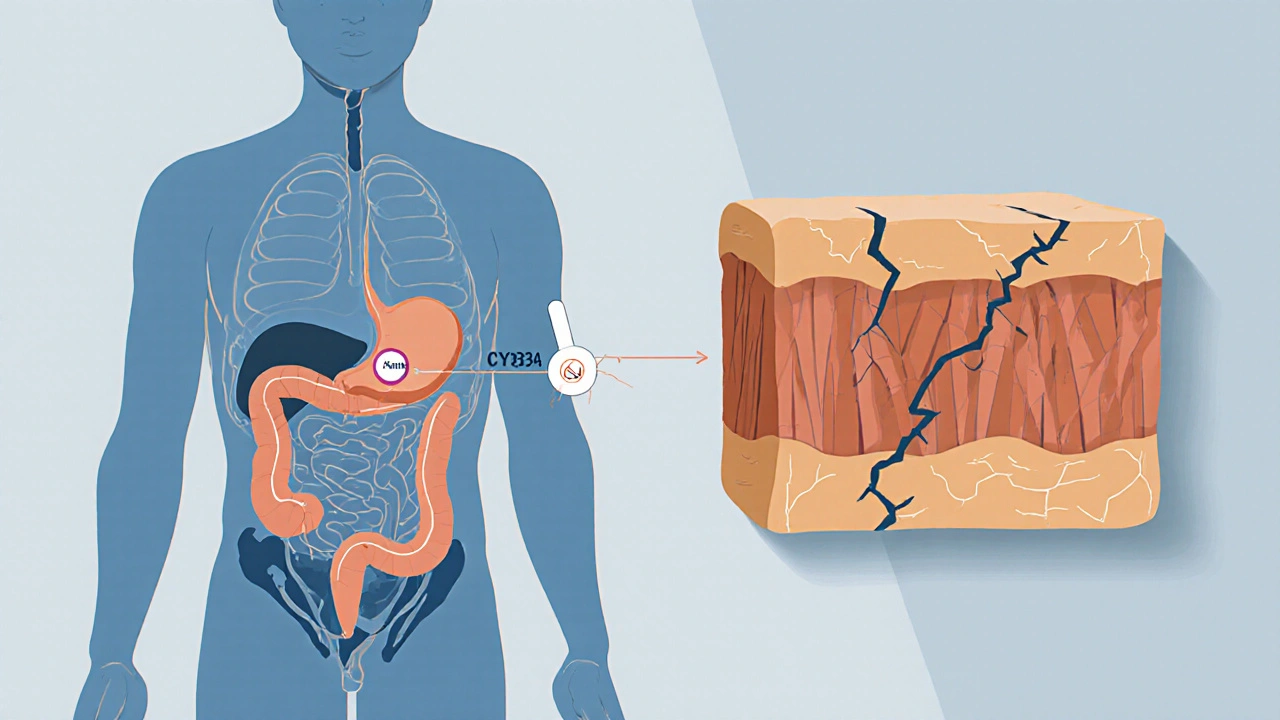
Learn the difference between pharmacokinetic and pharmacodynamic drug interactions-how they work, why they matter, and how to avoid dangerous combinations. Real-world examples and expert insights.