Prescription Transfer: How to Move Your Medications Between Pharmacies
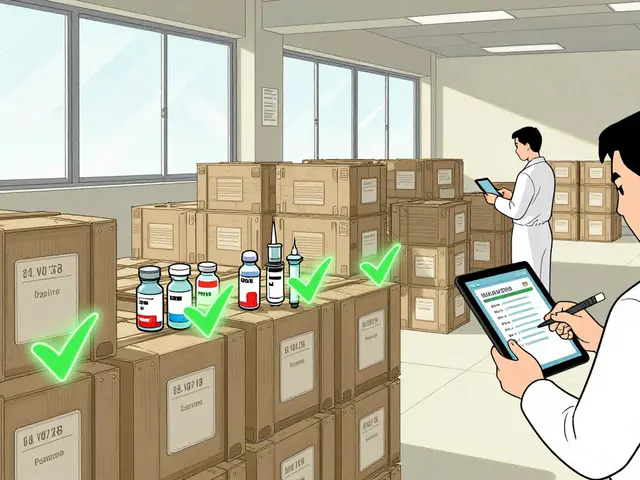
When you switch pharmacies, a prescription transfer, the process of moving an active prescription from one pharmacy to another. Also known as prescription portability, it’s a simple step that keeps your treatment going without interruption. Whether you moved cities, changed insurance, or just found a better-priced pharmacy, transferring your meds shouldn’t be a hassle—if you know how.
Most prescriptions can be transferred, but not all. Controlled substances like opioids or stimulants often have extra rules. Your new pharmacy will call your old one, verify the prescription is still valid, and request the refill history. This isn’t a refill—it’s a full transfer of your medication record. You don’t need to go back to your doctor unless the prescription is expired or has no refills left. Some states even let you initiate the transfer yourself by giving your new pharmacy your old one’s info and prescription number. Just make sure you have the name of the medication, the prescribing doctor, and the pharmacy’s contact details ready.
Common mistakes? Waiting until your last pill is gone. That’s when you end up without meds for days. Don’t wait. Start the transfer at least 3-5 days before you run out. Also, don’t assume your insurance will automatically update. Sometimes, even after the prescription moves, your copay changes because the new pharmacy isn’t in-network. Call your insurer to confirm coverage before you pick up. And if you’re switching because of cost, ask the new pharmacy if they offer discount programs. Many have generic drug savings plans that cut prices by 50% or more.
What about refills? Once the transfer is complete, your refills come with it—unless your doctor set a limit. If you had three refills left, you’ll still have three. But if your doctor wrote "no refills," you’ll need a new prescription. That’s when you call your doctor’s office. Most will send it electronically to your new pharmacy within hours. Some even let you request refills through patient portals. Don’t wait for your pharmacy to remind you. Stay ahead.
Traveling? You can transfer prescriptions across state lines, but rules vary. Some states require a new prescription if you’re moving permanently. Others allow transfers with just a phone call. If you’re stuck overseas without meds, that’s a different situation—but for most people moving within the U.S., the system works smoothly. Just keep your doctor’s name, phone number, and the original prescription label handy. That’s all you need to get started.
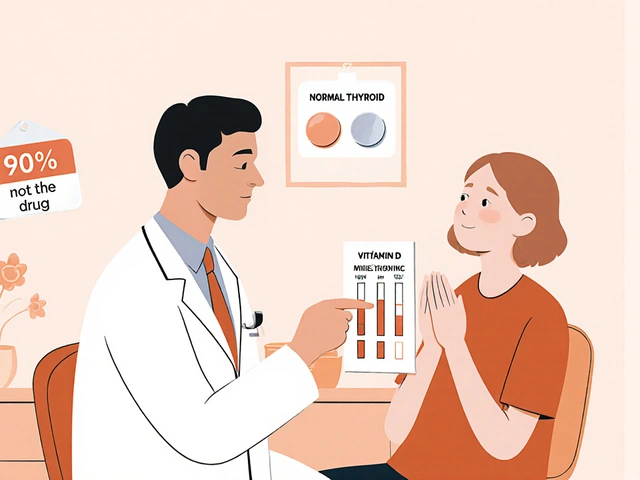
And if you’re managing multiple meds? Each one transfers separately. You can’t transfer all your pills with one request. That means more calls, more paperwork, more chances for something to slip through. Write them down. Make a list. Check each one off as it’s confirmed. It’s easy to forget a blood pressure pill or a thyroid med when you’re focused on your main drug. Don’t risk it.
Pharmacies don’t always communicate well. Sometimes, the old pharmacy forgets to release the record. The new one doesn’t follow up. You get caught in the middle. That’s why you should call your new pharmacy two days after you request the transfer. Ask: "Is it done?" If not, they’ll chase it down. Most transfers take 24 to 48 hours. If it’s been three days and nothing’s happened, call your doctor. They can reissue the prescription directly to the new pharmacy.
There’s no reason to go without your meds because of a pharmacy change. Prescription transfer is your right—and your pharmacy’s job to help you with it. Just be clear, be timely, and stay involved. The system works when you do.
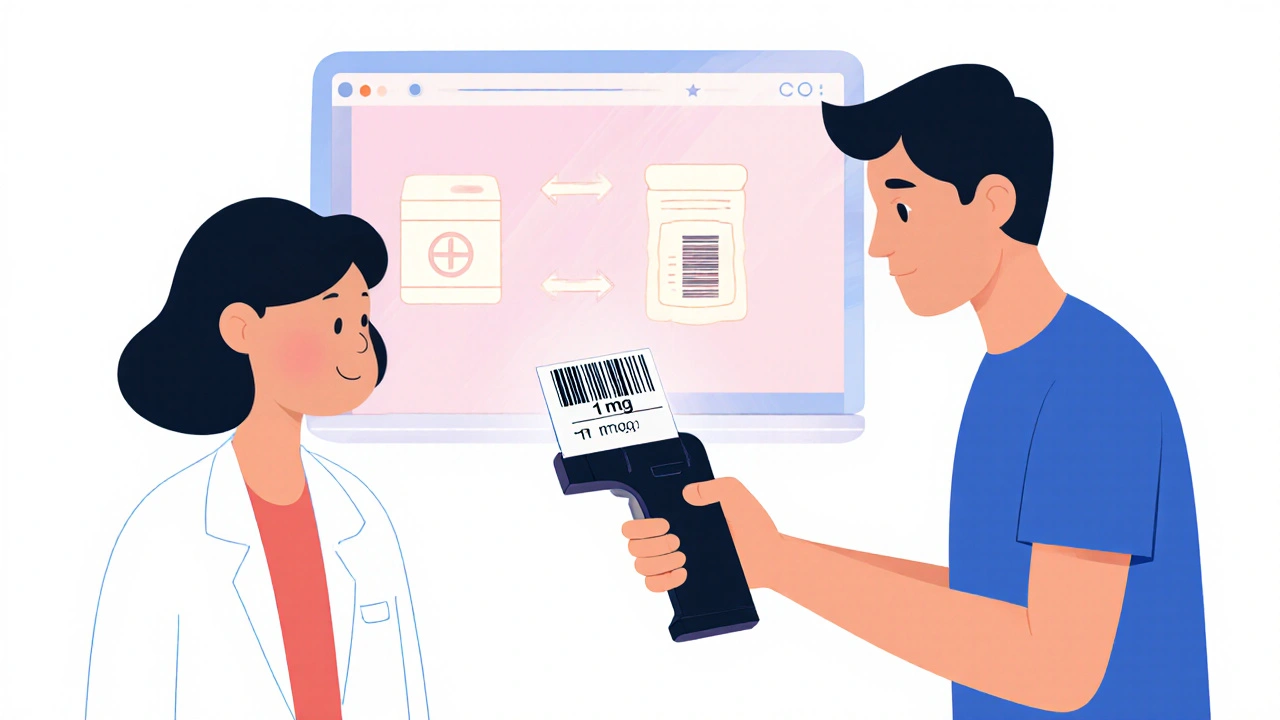
Learn how to safely transfer prescriptions while ensuring label accuracy to prevent deadly medication errors. Understand DEA rules, labeling standards, and best practices for pharmacists and patients in 2025.