Quality of Life: How Medications and Health Conditions Impact Your Daily Well-Being
When we talk about quality of life, the overall sense of well-being shaped by physical health, mental state, and daily functioning. Also known as health-related quality of life, it’s what matters most when you’re managing a long-term condition—not just whether you’re alive, but whether you can sleep, move, eat, or enjoy time with people without constant discomfort. It’s not a vague feeling. It’s measurable. It’s affected by whether your pain is controlled, if your gut feels stable, if you can get out of bed without dizziness, or if you’re too tired from meds to play with your kids.
Chronic pain, persistent discomfort that lasts beyond normal healing time doesn’t just hurt—it steals sleep, focus, and motivation. That’s why non-opioid strategies like movement, CBT, and rehab aren’t optional extras—they’re core to keeping your life intact. Same with opioid side effects, the hidden toll of painkillers on digestion, energy, and mental clarity. Postoperative ileus isn’t just a medical term—it’s the reason you can’t eat after surgery, even when you’re starving. And gut-brain axis, the bidirectional link between your digestive system and your nervous system explains why stress makes your IBS flare up, and why calming your mind can ease bloating and cramps. These aren’t separate issues. They’re threads in the same fabric of daily living.
Doctors track disease activity scores, numerical measures of how active a condition like rheumatoid arthritis is because numbers like DAS28 and CDAI tell them if treatment is working—not just on lab results, but on whether you can open a jar, walk to the mailbox, or hold your grandchild. When a statin causes muscle pain, or an antihistamine makes you groggy, or a sleep aid leaves you foggy the next day, those aren’t just side effects—they’re quality-of-life breaks. And when you lose your meds abroad or can’t get a refill because of DEA rules, that’s not just inconvenience—it’s a threat to your stability.
What you’ll find here aren’t abstract theories. These are real stories of people who learned to manage pain without opioids, restored gut function by understanding their brain-gut link, switched statins to stay active, or found allergy relief without drowsiness. Every post here answers one simple question: How does this affect your day-to-day life? Because in the end, medicine isn’t about pills and tests. It’s about letting you live—really live—without being held back by your condition or its treatment.
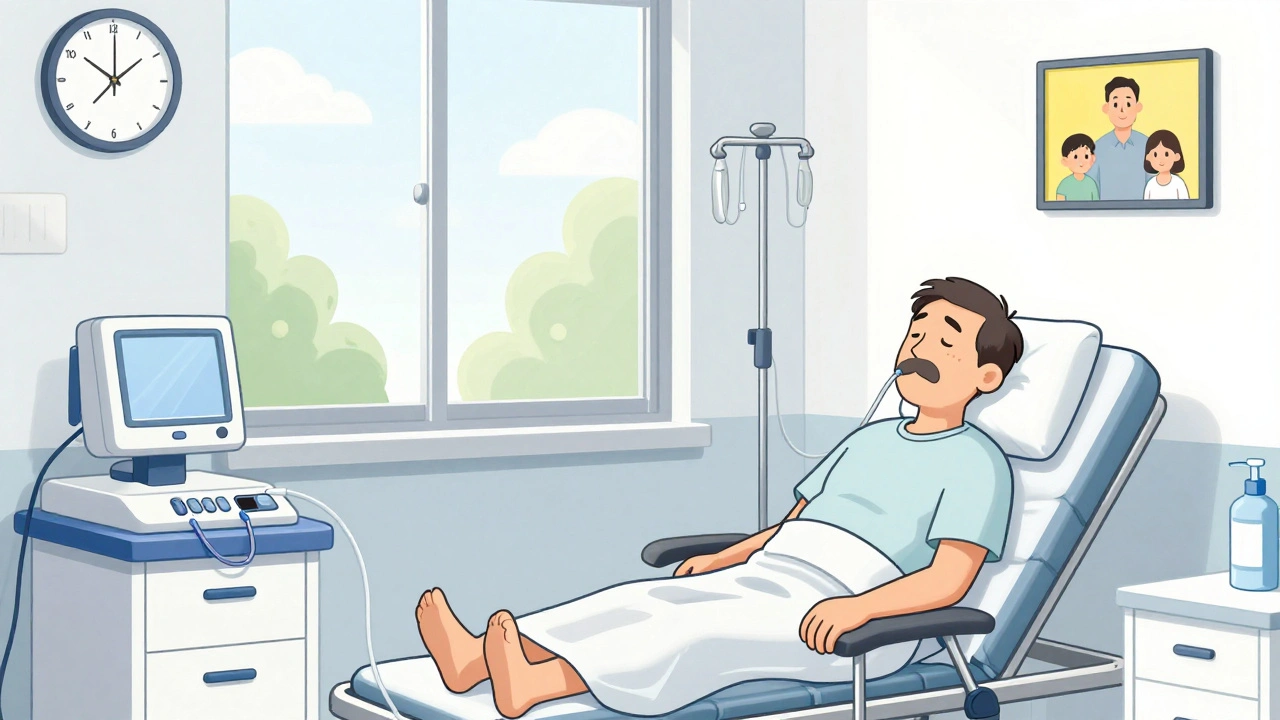
End-stage renal disease requires life-sustaining treatment. Dialysis keeps you alive; a kidney transplant helps you live. Learn how quality of life, survival rates, and access differ between treatments-and what you can do to improve your outcomes.