Side Effect Management: How to Handle Drug Reactions and Stay Safe
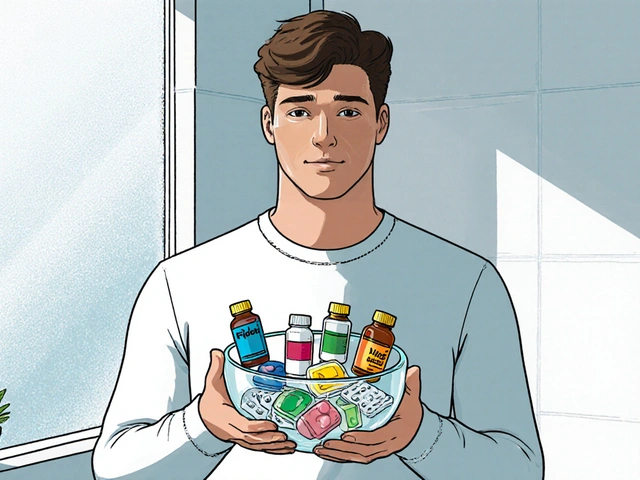
When you take a medication, you’re not just getting the benefit—you’re also accepting the risk of side effect management, the process of recognizing, reducing, and responding to unwanted reactions from drugs. It’s not about avoiding medicine—it’s about using it smarter so you don’t end up trading one problem for another. Many people quit their prescriptions because of side effects, but often, the solution isn’t stopping the drug—it’s adjusting how you take it, switching to a different one, or adding a simple protective step.
statin side effects, like muscle pain or fatigue are the most common reason people stop taking cholesterol-lowering drugs. But studies show most of them can tolerate statins with a lower dose or by switching to a different type, like amlodipine instead of simvastatin. SGLT2 inhibitors, used for type 2 diabetes can cause yeast infections because they make sugar spill into urine. That doesn’t mean you stop the drug—it means you learn to dry off better, wear cotton underwear, and watch for itching or burning. Even opioid side effects, like delayed bowel movement after surgery can be cut in half with early walking, non-opioid pain control, and hydration—no magic pill needed.
Side effect management isn’t just about pills. It’s about knowing your body’s signals. A dry mouth from antihistamines? Sip water. Nausea from antibiotics? Take them with food. A weird heartbeat after stimulants? Get your heart checked before continuing. The side effect management tools you need are often already in your reach: timing, diet, hydration, movement, and communication with your pharmacist. You don’t need to suffer through every reaction. Many side effects are predictable, preventable, and fixable.
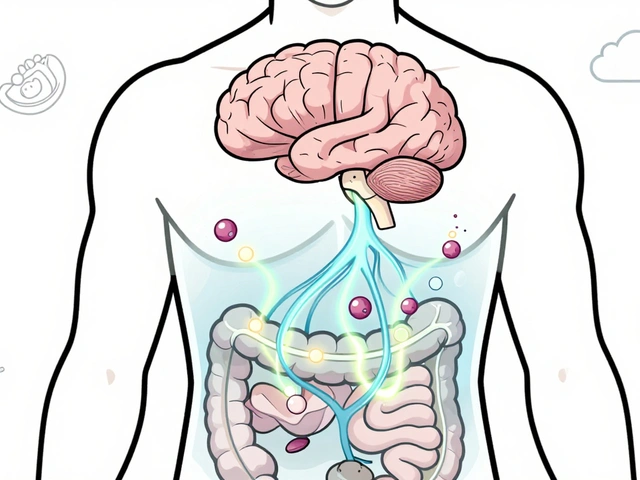
What you’ll find below isn’t a list of scary warnings—it’s a practical toolkit. Real stories from people who dealt with yeast infections from diabetes meds, muscle pain from statins, brain fog from sleep aids, and bowel issues after surgery. Each post gives you clear, no-fluff steps to stay on your treatment without getting sidelined by side effects. Whether you’re managing chronic pain, switching antidepressants, or traveling with meds, you’ll find what actually works—not just what’s written in the brochure.
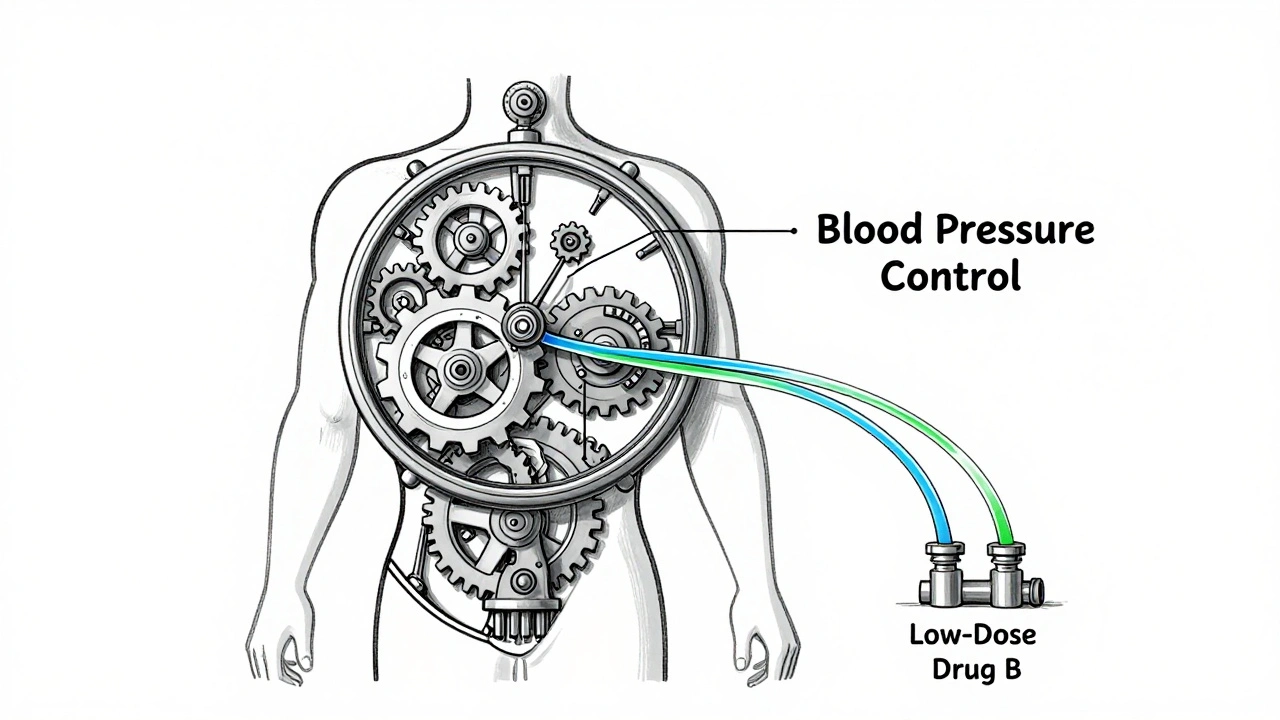
Combination therapy uses lower doses of multiple medications to improve effectiveness and reduce side effects. Proven in hypertension, diabetes, and cancer, it offers better control with fewer adverse reactions and improved patient adherence.