Sleep Aid Side Effects: What You Need to Know Before Taking Them
When you reach for a sleep aid, a medication or supplement used to help you fall or stay asleep. Also known as insomnia medication, it can be a lifeline for people struggling with poor sleep. But too many people skip the fine print—and end up paying for it the next day with grogginess, dizziness, or worse. The truth is, even "natural" sleep aids aren’t harmless. They affect your brain chemistry, your balance, your memory, and sometimes your heart. If you’re using them regularly, you’re not just treating sleeplessness—you’re changing how your body works.
There are two main types: over-the-counter sleep aids, usually antihistamines like diphenhydramine or doxylamine. Also known as non-prescription sleep meds, they’re found in brands like Benadryl or Unisom, and prescription sleep aids, including zolpidem, eszopiclone, and benzodiazepines. Also known as sedative-hypnotics, these are stronger and carry more risks. Over-the-counter ones often leave you feeling hungover the next morning. Prescription ones can cause dependency, memory lapses, or even sleepwalking. Melatonin, often thought of as safe, can throw off your natural rhythm if taken at the wrong time or in too high a dose. And don’t assume that just because it’s sold in a store, it’s harmless—many people don’t realize these drugs interact with blood pressure meds, antidepressants, and even alcohol.
Side effects aren’t just about feeling tired. Some people report confusion, blurred vision, dry mouth, or urinary retention. Older adults are especially at risk for falls because these drugs mess with balance and reaction time. Long-term use can actually make insomnia worse by training your brain to rely on chemicals to sleep. And if you suddenly stop, withdrawal can bring rebound insomnia, anxiety, or even seizures in rare cases. The FDA has warned about complex sleep behaviors—like cooking, driving, or making phone calls while not fully awake—linked to certain prescription sleep aids. These aren’t rare glitches. They’re documented risks.
What you’ll find in the posts below aren’t just lists of side effects. They’re real comparisons between popular sleep medications, what the data actually says about their safety, and how some of these drugs—like antihistamines used for allergies—are secretly being repurposed as sleep aids. You’ll see how one person’s solution becomes another’s problem, and why the best sleep aid might not be a pill at all. No fluff. No marketing. Just what you need to know before you take the next one.
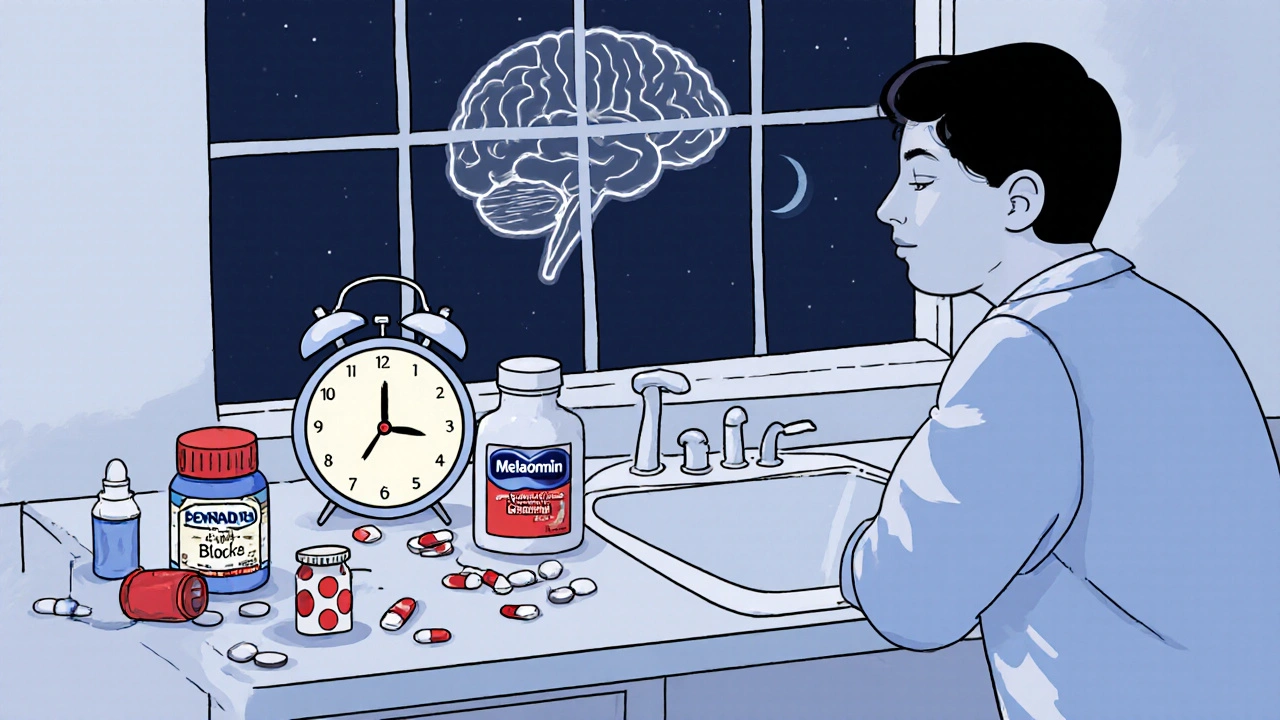
OTC sleep aids like diphenhydramine and melatonin offer short-term relief but carry serious risks with long-term use. Learn what they really do, their side effects, and safer alternatives backed by science.