Statin Muscle Pain: What It Is, Why It Happens, and What to Do
When you take a statin, a class of drugs used to lower LDL cholesterol and reduce heart attack risk. Also known as HMG-CoA reductase inhibitors, these medications save lives—but for some people, they cause muscle pain, aching, weakness, or cramping in the legs, arms, or back that can make daily movement hard. It’s not just "getting older"—this pain is real, measurable, and often misdiagnosed.
Not everyone on statins gets muscle pain, but up to 1 in 10 do. The most common culprits are simvastatin and atorvastatin, especially at higher doses. The pain usually shows up within weeks or months of starting the drug, and it’s often worse after exercise or in the morning. If you feel this, don’t assume it’s just aging or overtraining. It could be statin-induced myopathy, a drug-related muscle injury that can progress to a dangerous condition called rhabdomyolysis. Blood tests for creatine kinase (CK) can help confirm it, but even normal CK levels don’t rule out discomfort.
What makes this worse is that many doctors dismiss the pain as "psychosomatic" or tell patients to "just push through." But if your muscles hurt, you’re not weak—you’re reacting to a chemical change. Statins block not just cholesterol production, but also coenzyme Q10, which your muscles need for energy. That’s why some people feel better taking CoQ10 supplements, though studies show mixed results. What works better is switching to a different statin, lowering the dose, or trying non-statin options like ezetimibe or PCSK9 inhibitors.
You’re not alone if you’ve stopped your statin because of this pain. But stopping without a plan can put you at higher risk for heart disease. The goal isn’t to avoid statins forever—it’s to find a version or combo that works for your body. Some people tolerate rosuvastatin better. Others do fine on lower doses paired with lifestyle changes. And for those who truly can’t take any statin, newer options like bempedoic acid offer cholesterol-lowering without the muscle side effects.
This collection of posts gives you real, practical advice from people who’ve been there. You’ll find guides on how to talk to your doctor about muscle pain, what blood tests actually mean, which supplements might help (and which are just hype), and what alternatives exist when statins don’t work for you. No fluff. No sales pitches. Just clear, science-backed ways to protect your heart without sacrificing your mobility.
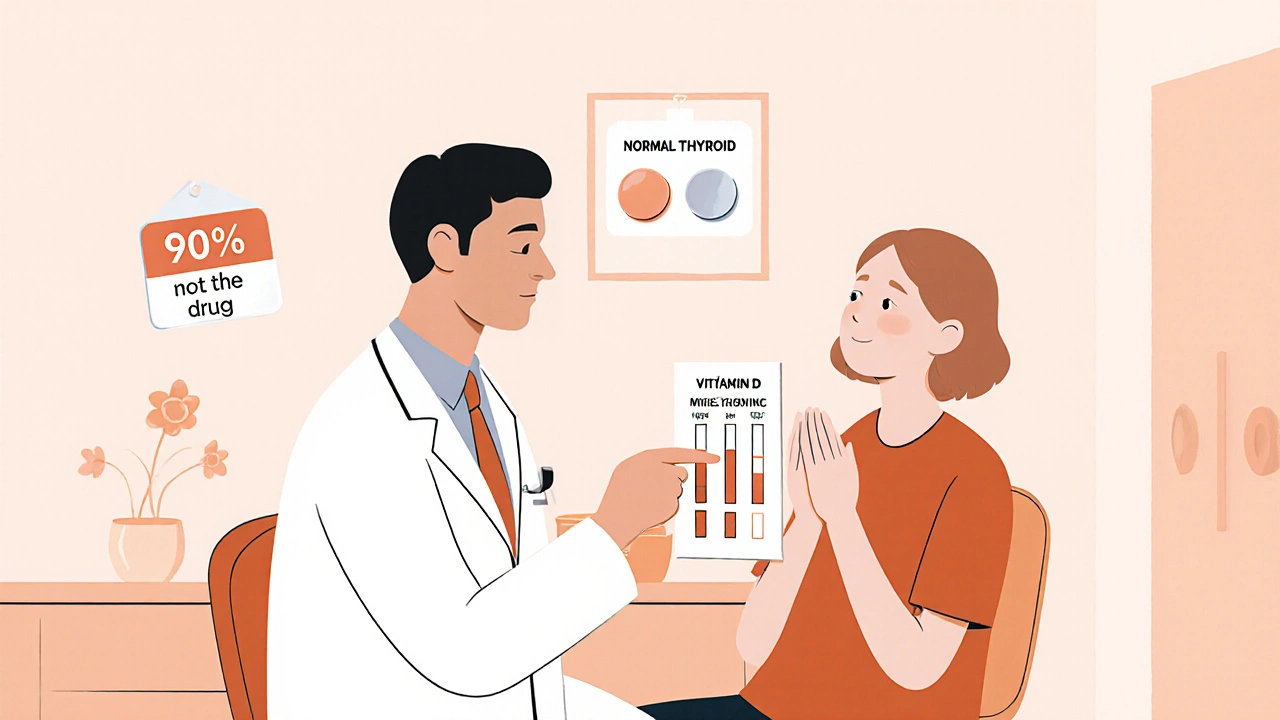
Most people who quit statins due to muscle pain can actually tolerate them with dose adjustments or switching to a different statin. Learn proven strategies to manage side effects and stay on life-saving treatment.