Controlled Substance Transfer: Rules, Risks, and Real-World Guidance
When you hear controlled substance transfer, the legal movement of drugs like opioids, stimulants, or sedatives between authorized parties under strict federal oversight. Also known as scheduled drug transfer, it’s not just paperwork—it’s a safety net designed to stop pills from ending up on the street. Every time a pharmacy ships oxycodone to a clinic, a hospital sends fentanyl patches to a patient’s home, or a doctor mails a prescription for Adderall to a remote pharmacy, they’re part of a chain monitored by the DEA. This isn’t about convenience—it’s about control. One misstep, one untracked box, one unsigned form, and you’re not just breaking rules—you’re risking lives.
That’s why DEA regulations, the federal rules that govern how controlled drugs are handled, stored, and moved. Also known as Schedule II-V compliance, they’re the backbone of every legal transfer matter. These rules don’t just apply to pharmacies. Doctors, nurses, long-term care facilities, and even mail-order services must follow them. You can’t just email a prescription for hydrocodone and call it done. You need a DEA Form 222 for Schedule II drugs, electronic records for everything else, and proof that the recipient is licensed to receive it. And if someone loses a bottle of tramadol? That’s not just a bad day—it’s a reportable incident. drug diversion, the illegal distribution or use of prescription drugs. Also known as pharmaceutical theft, it’s behind most opioid crises and it thrives where transfers are sloppy.
Most people think controlled substance transfer is just about shipping pills. But it’s really about trust. It’s about knowing your patient isn’t reselling their pain meds. It’s about making sure the pharmacy you’re sending to doesn’t have a history of overprescribing. It’s about double-checking signatures, tracking lot numbers, and keeping logs that could save you from a federal audit. The posts below show real cases: how a single mislabeled shipment led to a clinic shutdown, how a nurse got caught reusing a prescription label, how a patient abroad replaced stolen meds without breaking the law. These aren’t hypotheticals—they’re lessons from the field. You’ll find practical advice on securing prescriptions, spotting red flags in transfer requests, and what to do if something goes wrong. No fluff. No theory. Just what works when the stakes are high.
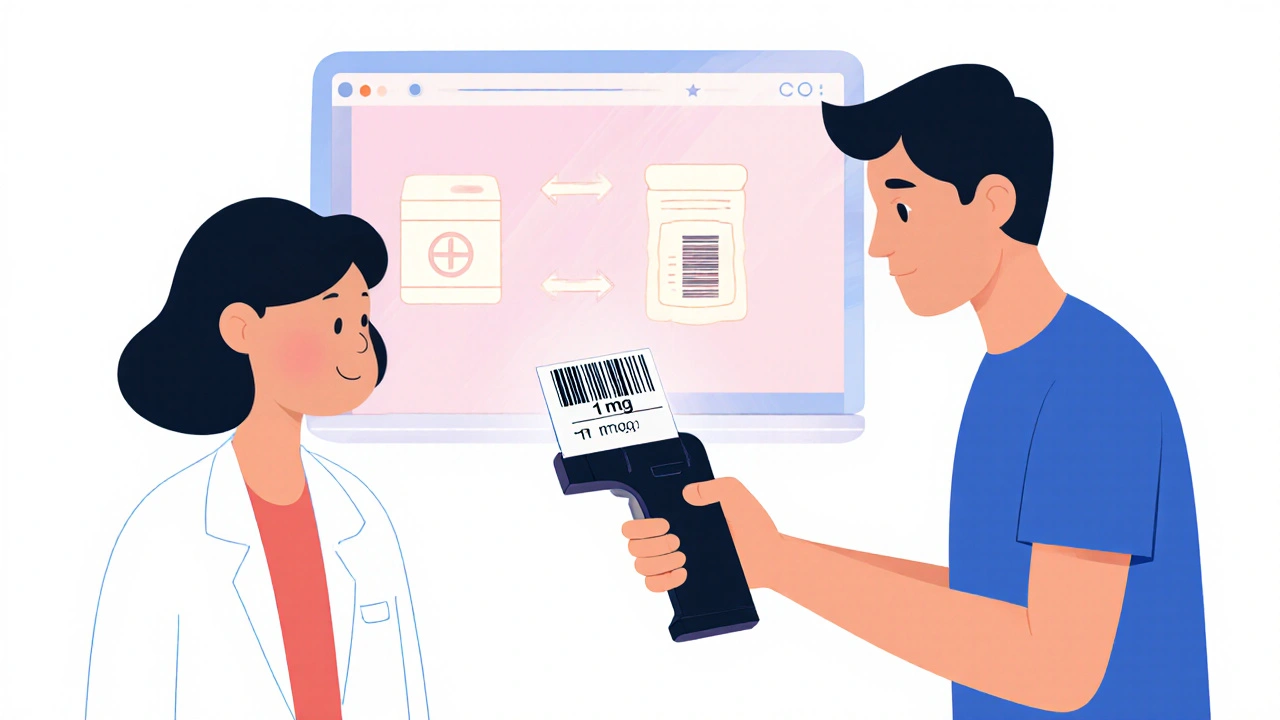
Learn how to safely transfer prescriptions while ensuring label accuracy to prevent deadly medication errors. Understand DEA rules, labeling standards, and best practices for pharmacists and patients in 2025.