Drug Shortages: What Causes Them and How They Impact Your Medications
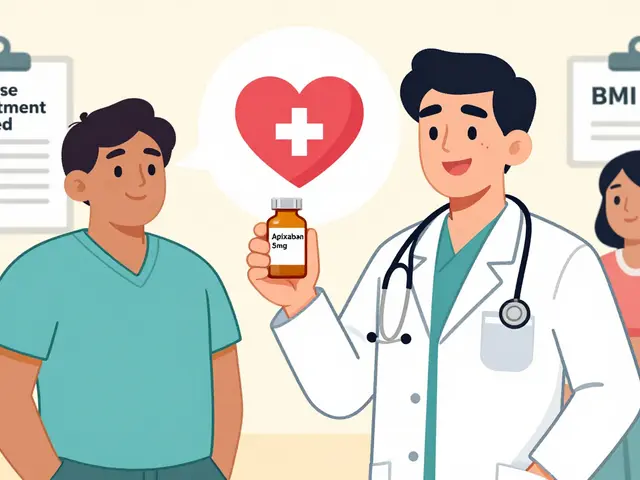
When your pharmacy says drug shortages, a situation where the supply of a medication doesn’t meet patient demand, often due to manufacturing, regulatory, or economic issues. Also known as medication shortages, it can mean waiting weeks for a refill or being switched to a less familiar drug. This isn’t rare—it’s happening more often. In 2023, over 300 drugs were listed as in short supply by the FDA, including essentials like antibiotics, heart meds, and even common pain relievers. If you’re on a chronic medication, you’ve probably felt the ripple effect: a last-minute call from your pharmacist, a switch to a different brand, or worse—no option at all.
These shortages don’t happen by accident. They’re tied to the pharmaceutical supply chain, the global network of manufacturers, raw material suppliers, and distributors that make and deliver medicines. Most generic drugs are made overseas, often in just one or two factories. If one plant shuts down for an FDA inspection, or if a key ingredient gets delayed, the whole line stops. Even small issues like a broken machine or a power outage can cause months of delays. And when companies make less profit on generics, they cut back production—leaving patients in the lurch. Meanwhile, the generic drug shortages, a subset of drug shortages affecting low-cost, high-volume medications that millions rely on daily hit hardest because there’s no backup brand to fall back on.
It’s not just about getting your pills. Drug shortages force doctors to prescribe alternatives that might cause new side effects or interact with other meds you’re taking. Think about someone on a statin for cholesterol who gets switched to a different one—maybe one that’s harder on the liver. Or a diabetic who’s suddenly given a new insulin type with a different dosing schedule. These changes aren’t trivial. They increase the risk of errors, hospital visits, and worse. Even something as simple as a missing IV antibiotic can delay cancer treatment or push a patient into a longer hospital stay.
You’re not powerless. Knowing what’s happening helps you stay ahead. Keep a list of your meds and their generic names. Talk to your pharmacist before your refill runs out. Ask if there’s a substitute approved by your doctor. And if you’re worried, check the FDA’s drug shortage list—it’s public, free, and updated weekly. The posts below cover real cases: how to handle a lost prescription overseas, how to switch statins safely, how to monitor kidney function when meds change, and how to use FDA alerts to stay informed. These aren’t theory—they’re survival tips from people who’ve been through it.
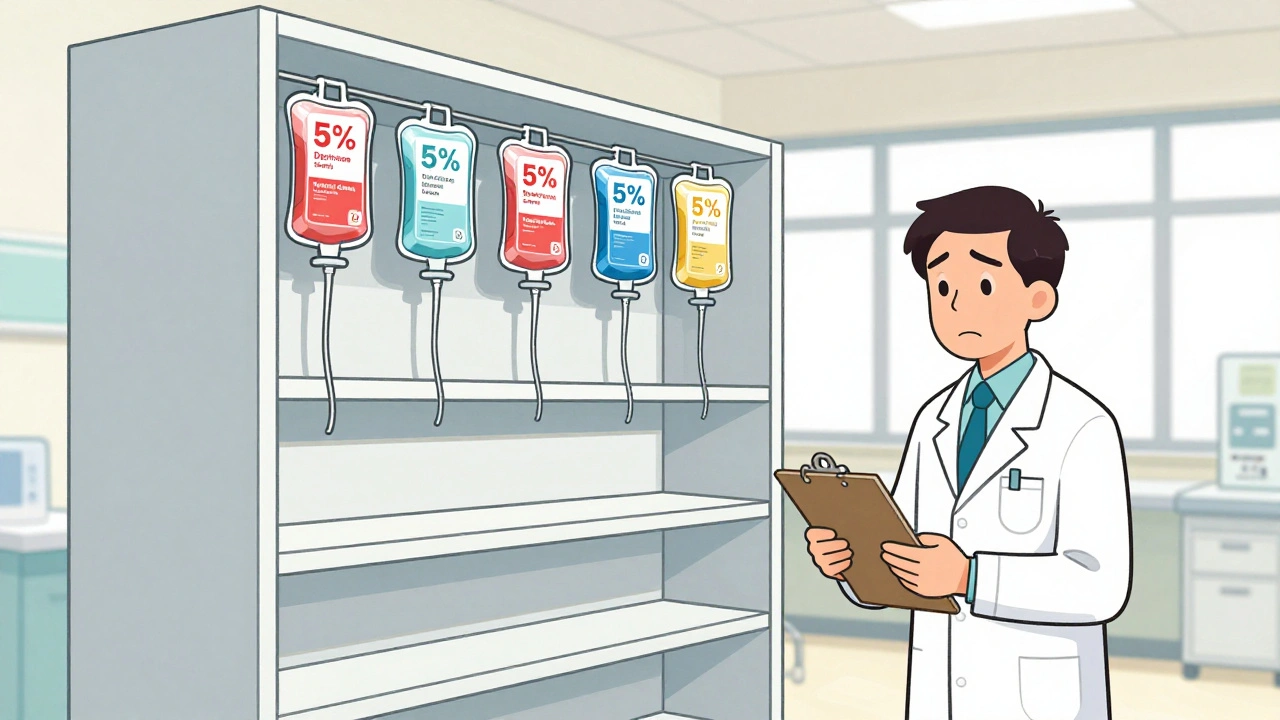
As of 2025, over 270 medications remain in short supply in the U.S., including critical chemotherapy drugs, IV fluids, and antibiotics. Learn which drugs are hardest to find, why shortages persist, and how patients and providers are coping.