Evergreening in Pharmaceuticals: How Drug Companies Extend Patents and What It Means for You
When a drug company gets a patent, it gets exclusive rights to sell that medicine for about 20 years. But evergreening, a strategy where companies make minor changes to an existing drug to extend patent protection. Also known as patent evergreening, it’s not about inventing something new—it’s about keeping generics off the market longer. This isn’t illegal, but it’s controversial because it often delays cheaper versions from reaching patients who need them.
Evergreening works by tweaking a drug in small ways: changing the dosage form, adding a new salt, combining it with another drug, or switching from a pill to a slow-release version. These changes rarely improve how well the drug works, but they’re enough to qualify for a new patent. For example, a drug like amlodipine, a calcium channel blocker used for high blood pressure might get a new patent just because it’s now sold as a once-daily tablet instead of twice-daily. That keeps the brand-name version on the market while blocking cheaper generics. The same tactic shows up with statins, cholesterol-lowering drugs like atorvastatin and simvastatin, where companies tweak formulations to delay generic competition—even though the core molecule hasn’t changed.
These practices directly impact your wallet and your health. When a drug stays patent-protected, prices stay high. Patients with chronic conditions—like high blood pressure, diabetes, or depression—end up paying more for years longer than they should. Meanwhile, pharmacists and clinics struggle to help people switch to affordable generics, especially when prescribers aren’t aware the brand-name version is just a tweaked version of an older drug. The generic drugs, lower-cost versions of brand-name medications that become available after patents expire are just as safe and effective, but evergreening makes them harder to access.
It’s not just about money. Evergreening slows down innovation. Instead of developing truly new treatments, companies focus on squeezing more profit out of old ones. This is why regulators like the FDA and health systems around the world are starting to push back—looking closer at patent applications that make trivial changes. Some countries now require proof of real clinical benefit before granting new patents on modified drugs. In the U.S., courts are also becoming more skeptical, especially when the changes offer no real advantage to patients.
What you’ll find in the posts below are real-world examples of how evergreening plays out in practice—from how calcium channel blockers and statins are re-packaged to keep patents alive, to how pharmacists and patients navigate the confusion it creates. You’ll see how drug interactions, dosage changes, and even labeling rules are sometimes used as tools to extend exclusivity. These aren’t abstract legal debates—they’re daily realities for people trying to afford their meds. This collection gives you the facts you need to understand why your prescription costs what it does, and what’s really behind the choices on the pharmacy shelf.
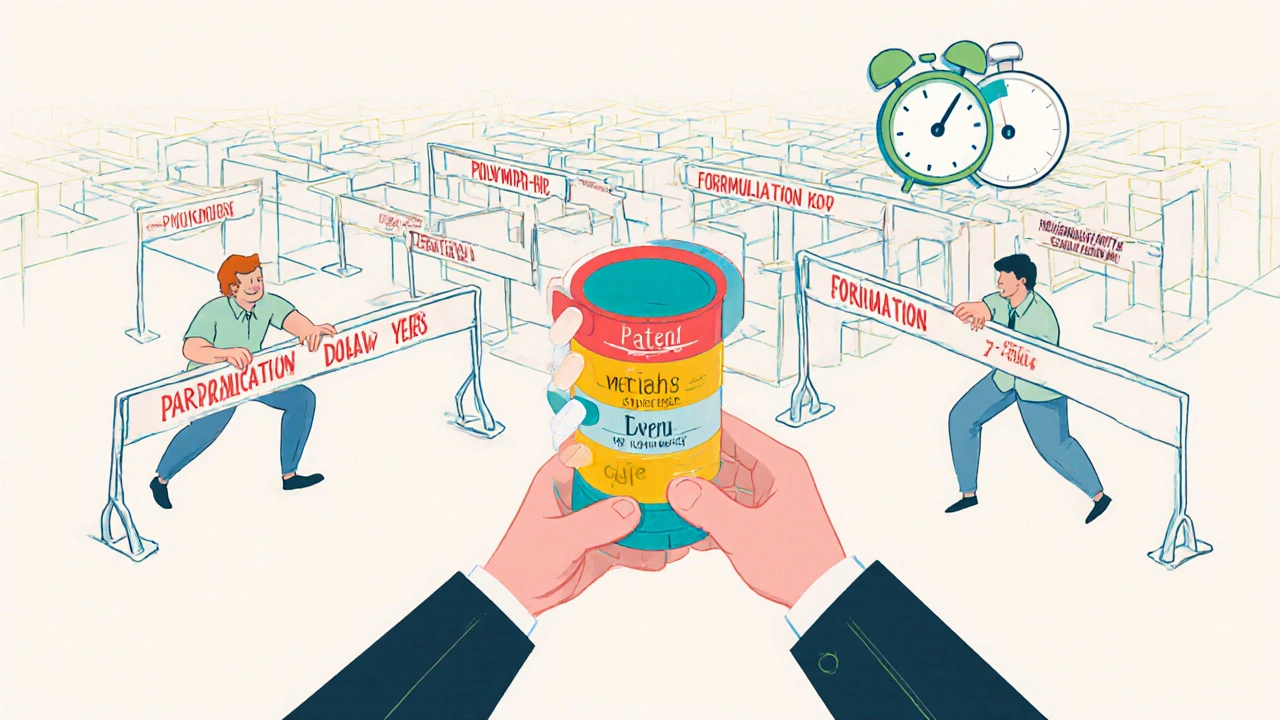
Secondary patents let pharmaceutical companies extend market exclusivity by patenting minor changes to existing drugs, delaying generic competition and keeping prices high. Learn how these patents work, who benefits, and why they’re under growing scrutiny.