FDA Alerts: What You Need to Know About Drug Safety Warnings
When the FDA alerts, official safety warnings issued by the U.S. Food and Drug Administration to warn healthcare providers and patients about serious risks tied to medications. Also known as drug safety communications, these alerts are the frontline defense against hidden dangers in everyday prescriptions. They’re not just bureaucratic notices—they’re life-saving signals. If you take blood thinners, antidepressants, or even common painkillers, an FDA alert might be talking directly to you.
FDA alerts often highlight pharmacokinetic interactions, how one drug changes how your body absorbs, breaks down, or clears another drug, like grapefruit making warfarin too strong or calcium channel blockers building up to dangerous levels. They also track medication risks, unexpected side effects that emerge after a drug is widely used—like stimulants triggering heart rhythm problems, or statins causing muscle pain that leads people to quit life-saving treatment. And they don’t ignore patient safety, the system of practices designed to prevent harm from medication errors, mislabeling, or unsafe substitutions. That’s why you see alerts about prescription transfers, lost meds abroad, or how to replace stolen drugs overseas without risking your health.
These aren’t theoretical concerns. Every alert you see in the posts below comes from real cases: someone got sick because they didn’t know grapefruit interfered with their meds. Someone’s kidney numbers spiked after starting creatine while on blood pressure drugs. Someone’s pain got worse because they stopped their statin thinking the muscle ache was normal. The FDA doesn’t wait for thousands of cases to act—they issue alerts when the pattern starts. And if you’re reading this, you’re already ahead of the curve. Below, you’ll find clear, practical breakdowns of exactly what those alerts mean for your daily health choices. No jargon. No fluff. Just what you need to know to stay safe.
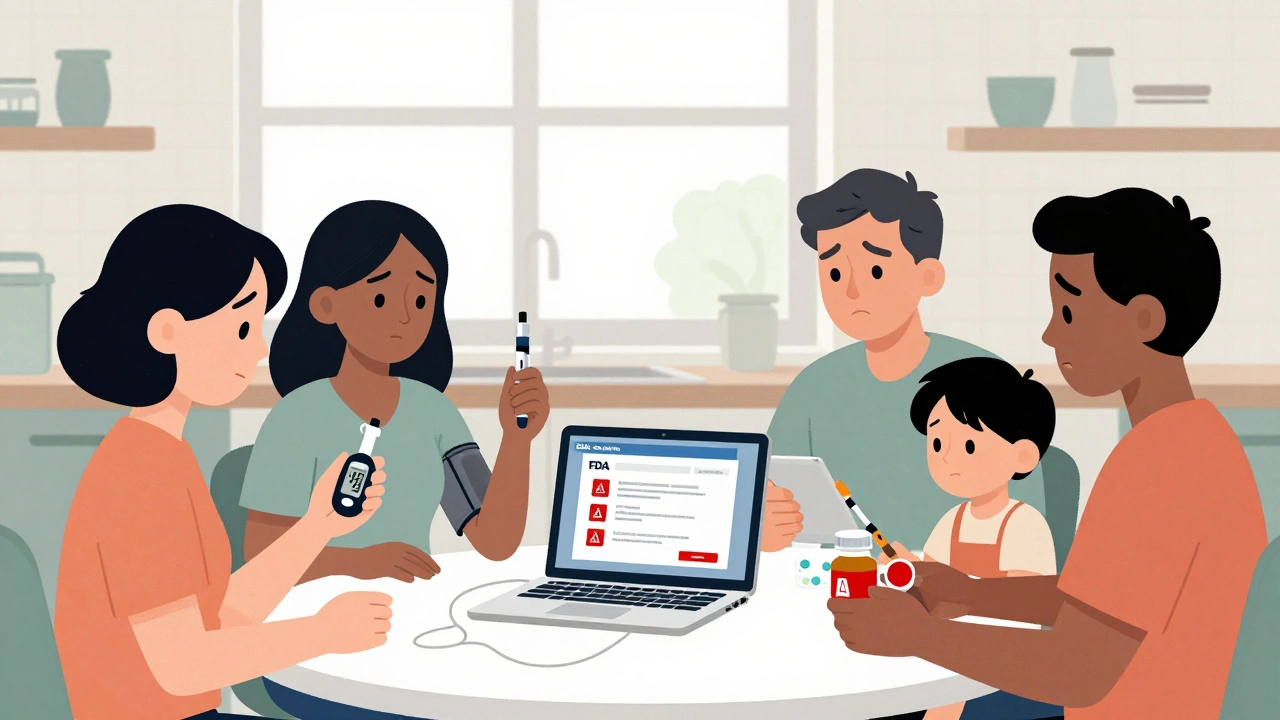
Subscribe to FDA Safety Communications to receive real-time alerts about recalls, drug risks, and medical device dangers. Learn how keyword-based notifications can protect your health and prevent harm.