Genetic Cholesterol: What It Is, How It Affects You, and What You Can Do
When your body makes too much genetic cholesterol, a condition where inherited mutations cause dangerously high levels of LDL cholesterol from birth. Also known as familial hypercholesterolemia, it’s not about eating too much butter—it’s about your genes forcing your liver to overproduce cholesterol no matter what you eat. This isn’t rare. About 1 in 250 people carry this mutation, and most don’t know it until they have a heart attack in their 30s or 40s.
People with genetic cholesterol often have LDL cholesterol, the "bad" cholesterol that builds up in artery walls. Also known as low-density lipoprotein, it’s the main driver of plaque that leads to heart attacks and strokes. Unlike regular high cholesterol, which can drop with diet and exercise, genetic cholesterol barely budges without strong medication. Statins help, but many need even stronger drugs like PCSK9 inhibitors. And if you have it, your kids have a 50% chance of inheriting it too.
It’s not just about numbers on a lab report. People with this condition often have visible signs—yellowish bumps around the eyes or tendons, or a white ring around the cornea. These aren’t cosmetic—they’re warning signs your arteries are under siege. Doctors miss this all the time because they assume high cholesterol equals poor lifestyle. But if your cholesterol has been high since childhood, or if close family members had early heart disease, genetic cholesterol is likely the culprit.
Testing for it is simple: a blood test plus a family history review. If you’re diagnosed, treatment isn’t optional—it’s life-saving. You’ll need lifelong meds, regular monitoring, and maybe even a referral to a lipid specialist. But here’s the good news: with the right care, people with genetic cholesterol can live just as long as anyone else. The key is catching it early.
The posts below cover real-world stories and science-backed strategies for managing this condition. You’ll find comparisons of the strongest cholesterol-lowering drugs, tips on monitoring your levels without constant doctor visits, and how to talk to your family about getting tested. Some posts even explain how new gene therapies are changing the game. This isn’t theoretical—it’s what people are using right now to stay healthy despite their genes.
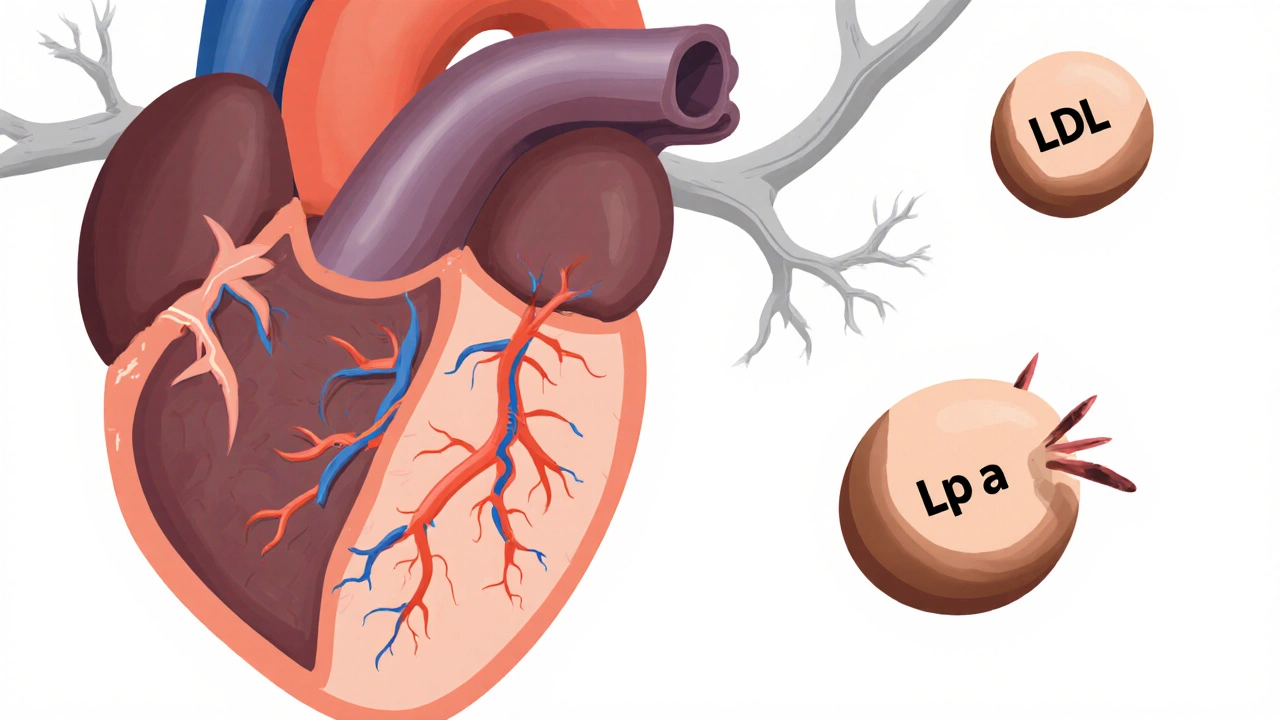
Lipoprotein(a) is a genetic cholesterol risk that doubles your chance of heart attack or stroke - even if your other numbers are normal. Learn who should be tested and what you can do now.