Grapefruit Medication Risks: What You Need to Know Before You Eat
When you eat grapefruit, a citrus fruit known for its tart flavor and high vitamin C content. Also known as pomelo hybrid, it can interfere with how your body processes many common medications—sometimes with life-threatening results. This isn’t just a warning on a label. It’s a real, measurable risk that affects millions who take pills for high blood pressure, cholesterol, anxiety, or heart rhythm problems.
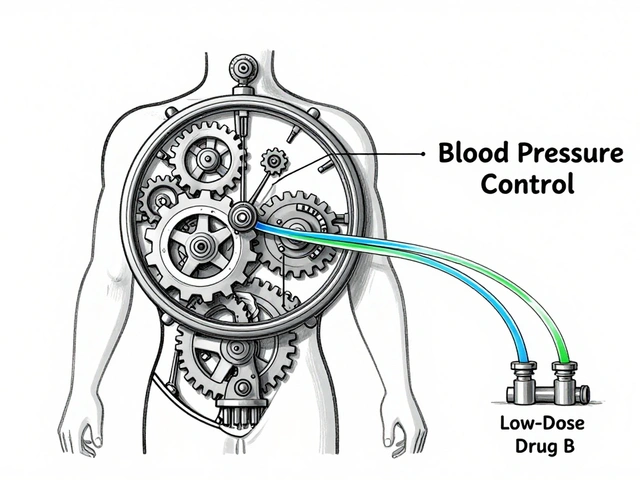
The problem starts with an enzyme called CYP3A4, a liver and gut enzyme responsible for breaking down over half of all prescription drugs. Grapefruit blocks this enzyme, so instead of being broken down and flushed out, your meds build up in your bloodstream. That’s why a single glass of grapefruit juice can turn a normal dose of calcium channel blockers, medications used to treat high blood pressure and angina into an overdose. The same thing happens with statins, cholesterol-lowering drugs like simvastatin and atorvastatin. Too much in your system means muscle damage, kidney failure, or even sudden heart problems.
It’s not just grapefruit juice. The whole fruit, even peeled or in smoothies, carries the same risk. And it doesn’t matter if you take your pill hours after eating it—this interaction sticks around for days. Some meds are safe, like pravastatin or rosuvastatin, but you won’t know unless you check. Your pharmacist isn’t just filling prescriptions—they’re your first line of defense against these hidden dangers.
What you’ll find in the posts below are real, practical guides on how grapefruit messes with your meds, which drugs are most at risk, and what to do if you’re already taking one. From calcium channel blockers to statins, from how your body metabolizes drugs to what alternatives actually work—this isn’t theory. It’s what people are dealing with every day. And you don’t have to guess your way through it.
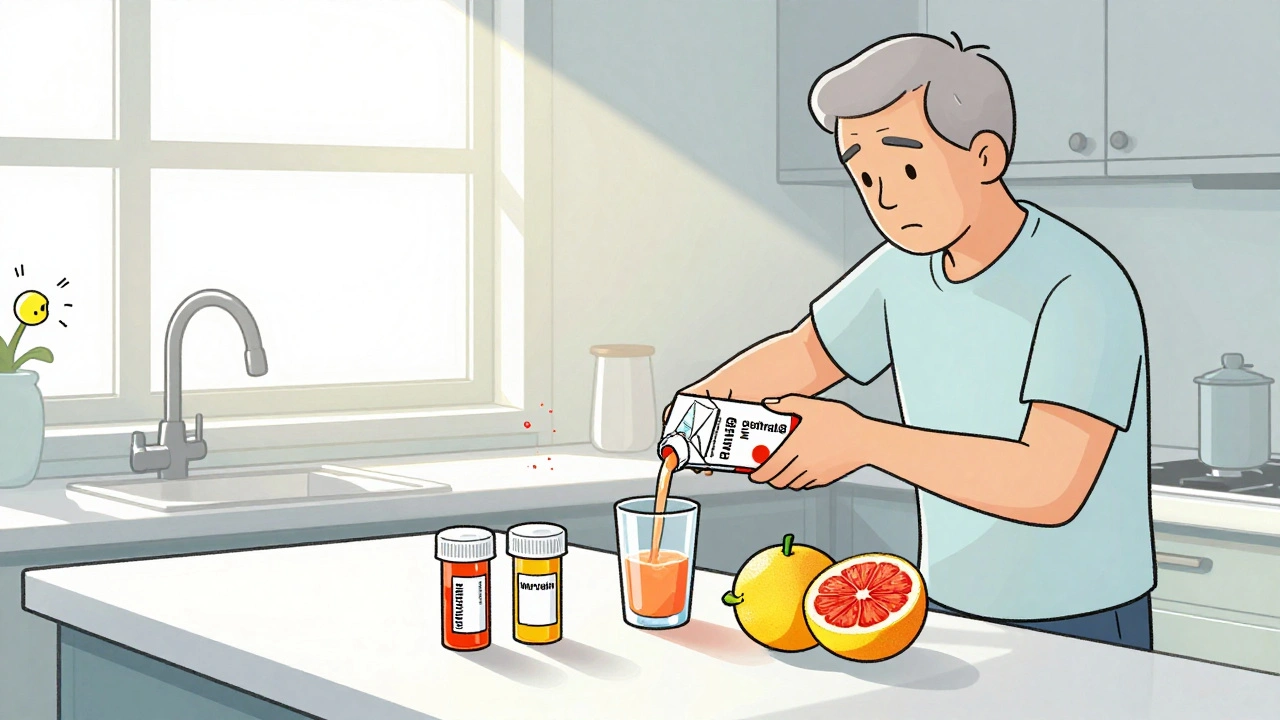
Grapefruit can dangerously increase levels of warfarin and certain SSRIs by blocking CYP450 enzymes. Learn which medications are at risk, why timing doesn't help, and what to do instead.