Label Accuracy in Pharmaceuticals: Why Precise Drug Information Saves Lives
When you pick up a prescription, the label isn’t just a sticker—it’s a label accuracy, the precise and correct representation of drug name, dosage, instructions, and warnings on medication packaging. Also known as medication labeling, it’s the final checkpoint before a drug reaches your hands. A single mistake—wrong dose, confusing directions, missing allergy alerts—can lead to hospitalization or worse. This isn’t theoretical. The FDA reports that over 1.3 million people are injured each year in the U.S. due to medication errors, and many of those stem from unclear or incorrect labels.
pharmacist verification, the process where licensed pharmacists review prescriptions and labels for correctness before dispensing. Also known as drug dispensing checks, it’s the human safety net that catches what automated systems miss. Pharmacists don’t just count pills—they read the fine print, compare it to the prescription, check for interactions, and confirm the patient’s history. In posts like Medication Guides Explained and Pharmacist Role with Biosimilars, you’ll see how this step is critical, especially with complex drugs like biosimilars or high-risk medications like stimulants or anticoagulants. Without this layer of verification, even a perfectly printed label can still be dangerous. And it’s not just the pharmacist. FDA labeling, the official set of rules and standards set by the U.S. Food and Drug Administration for how drugs must be labeled. Also known as prescription drug labeling, it’s the foundation every pharmacy and manufacturer must follow. These rules cover everything from font size and warning icons to black box alerts and patient information leaflets. When a drug like moxifloxacin or cabergoline gets approved, its label is locked in—changes require new FDA review. That’s why you see the same warnings on every bottle, no matter the brand.
Label accuracy isn’t just about text. It’s about clarity, consistency, and context. A patient with diabetes needs to know if their metformin is immediate or extended release. Someone on statins must understand the muscle pain warning. A pregnant woman needs to spot which antihistamines are safe. When labels fail, people get confused, skip doses, or take the wrong drug entirely. That’s why posts on statin side effects, stimulant heart risks, and OTC sleep aids all tie back to one thing: clear, accurate, and easy-to-read labeling. It’s not about making labels pretty—it’s about making them understood.
What you’ll find in this collection are real-world examples of how label accuracy plays out—from the pharmacy counter to the FDA’s review boards. You’ll see how pharmacists catch errors, how manufacturers design labels to avoid confusion, and why even small changes in wording can have big consequences. Whether you’re a patient, caregiver, or healthcare worker, understanding label accuracy means you’re not just reading a prescription—you’re protecting yourself.
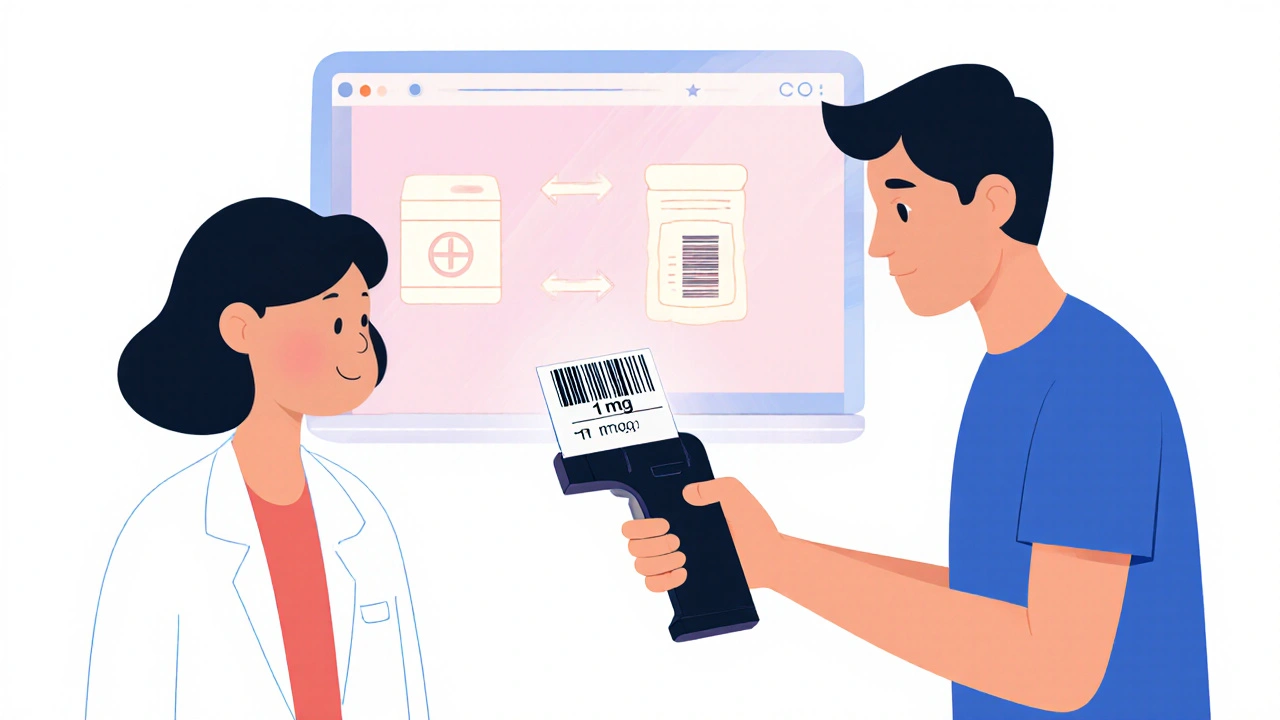
Learn how to safely transfer prescriptions while ensuring label accuracy to prevent deadly medication errors. Understand DEA rules, labeling standards, and best practices for pharmacists and patients in 2025.