Medical Device Safety: What You Need to Know About Risks, Regulations, and Real-World Protection
When you hear medical device safety, the system of standards, testing, and oversight designed to prevent harm from devices used in healthcare. Also known as healthcare device safety, it’s the quiet guardrail between a life-saving tool and a life-threatening failure. This isn’t theoretical. Every year, thousands of patients are hurt—not by drugs, but by devices meant to help them. A faulty pacemaker lead. A defective hip implant that breaks after two years. A ventilator that shuts off unexpectedly. These aren’t rare accidents. They’re systemic risks hidden in plain sight.
FDA regulations, the U.S. agency’s framework for approving, monitoring, and recalling medical devices are supposed to catch these problems before they reach you. But the system has gaps. Many devices get cleared through a fast-track path called 510(k), which doesn’t require new clinical trials if the device is "substantially equivalent" to something already on the market. That means a new insulin pump might be approved based on a 15-year-old model—even if the older one had known issues. Device recalls, official actions to remove or fix dangerous medical devices from use happen often, but they’re often too late. The FDA issued over 500 recalls in 2023 alone, and many patients only find out after they’ve been injured.
And it’s not just about government oversight. Patient harm, injury or death caused directly by a medical device’s failure or misuse often goes unreported. Hospitals don’t always track it. Doctors assume the device is safe. Patients blame themselves. That’s why knowing the signs matters. Unusual pain after an implant. Swelling or redness around a catheter site. A monitor that beeps erratically. These aren’t normal. They’re red flags. And if you’ve had a device implanted or use one daily—like a glucose monitor or a CPAP machine—you need to know how to check for recalls, how to report problems, and what questions to ask your provider before any new device is used on you.
The posts below don’t just list problems. They show you what’s actually happening behind the scenes. From how a simple labeling error led to deadly medication mix-ups in hospitals, to how a single manufacturing flaw in a ventilator caused dozens of deaths during the pandemic. You’ll find real stories, clear explanations of how safety standards work (and where they fall short), and what steps you can take right now to protect yourself or a loved one. This isn’t about fear. It’s about awareness. Because when it comes to medical devices, your safety doesn’t depend on a regulation—it depends on you knowing what to look for.
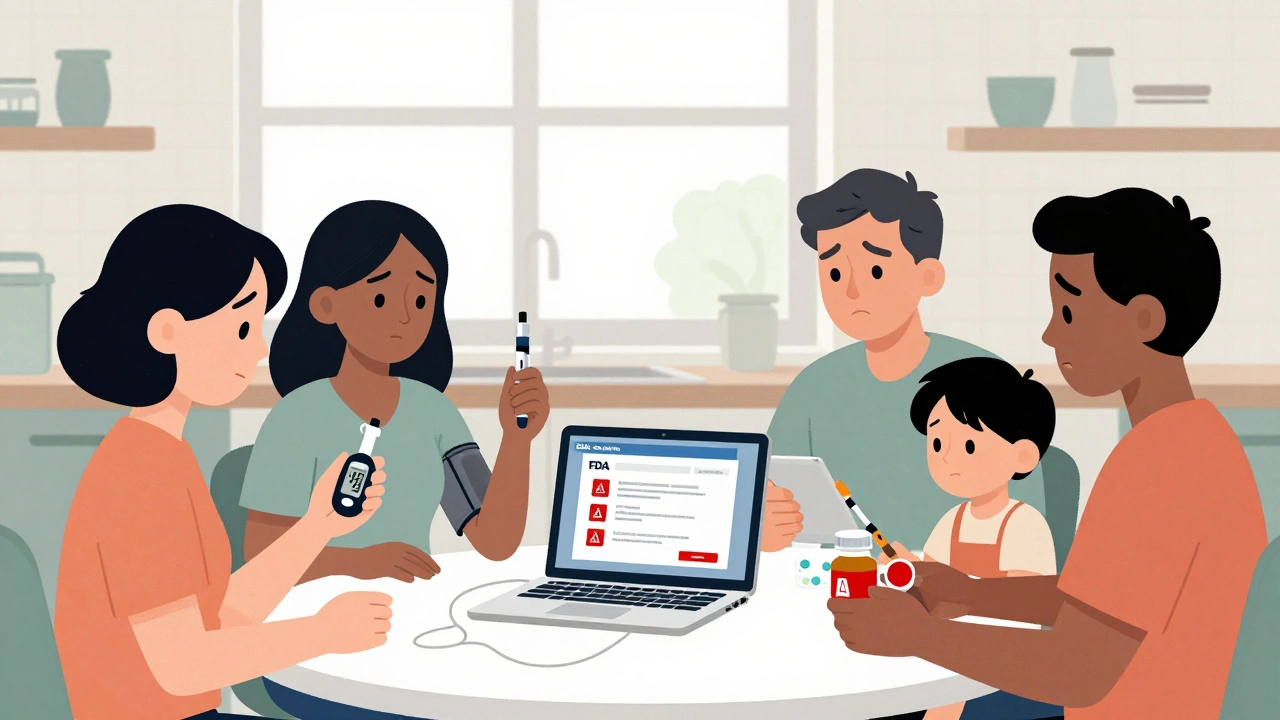
Subscribe to FDA Safety Communications to receive real-time alerts about recalls, drug risks, and medical device dangers. Learn how keyword-based notifications can protect your health and prevent harm.