Otitis Externa: Causes, Treatments, and What Really Works
When your ear hurts, swells, or feels like it’s full of water—even when you haven’t been swimming—you might be dealing with otitis externa, an inflammation or infection of the outer ear canal. Also known as swimmer’s ear, it’s not just for people who spend hours in the pool. It can happen after a shower, a cotton swab, or even just humidity clinging to the skin inside your ear. This isn’t a middle ear infection—that’s otitis media. Otitis externa is all about the canal that runs from your outer ear to the eardrum. When that narrow passage gets irritated, moist, or scratched, bacteria or fungi move in fast.
What makes it worse? Water trapped after swimming or bathing is the usual suspect, but so are things you might not think of: earbuds, hearing aids, or even scratching your ear with a fingernail. People with eczema or psoriasis are more likely to get it, because their skin is already sensitive. And if you’ve used ear drops before and they didn’t help, you might be using the wrong kind. Not all ear drops are made equal—some are for fungal infections, others for bacteria, and some are just soothing balms that do nothing to kill germs.
What actually treats otitis externa?
The good news? Most cases clear up in a week with the right treatment. Doctors usually start with ear drop treatments, antibiotic or antifungal drops combined with steroids to reduce swelling. You don’t always need oral antibiotics. In fact, putting medicine directly into the ear works better and avoids side effects like stomach upset or yeast infections. The key is using them correctly: lie on your side, pull the earlobe up and back to open the canal, and let the drops sit for a few minutes before draining. No cotton swabs. No hair dryers on high heat. No home remedies like vinegar or oil unless your doctor says so.
Some people try to power through it, thinking it’ll go away on its own. But if it’s not treated, otitis externa can turn into a deeper, more serious infection—especially in diabetics or older adults. That’s when pain becomes constant, swelling spreads to the face, or you can’t open your jaw. That’s not just an earache anymore. That’s a medical emergency.
What you’ll find in the posts below isn’t just a list of treatments. It’s real advice from people who’ve been there: what worked, what didn’t, and what surprised them. You’ll see how moxifloxacin, a broad-spectrum antibiotic sometimes used for stubborn ear infections shows up in patient guides, how second-generation antihistamines, used for allergies that can trigger ear canal swelling play a role in prevention, and why some people swear by simple drying techniques after swimming. There’s no magic bullet, but there are clear, proven steps—and avoiding the wrong ones is just as important as doing the right ones.
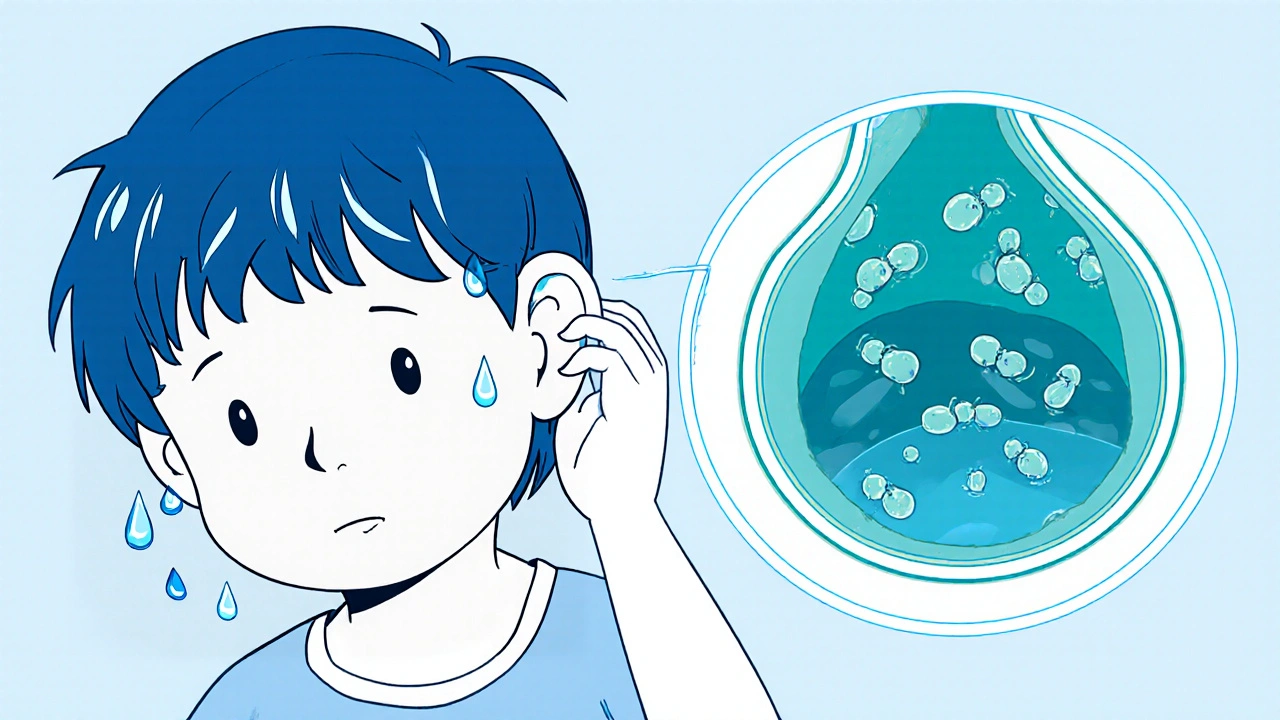
Swimmer’s ear, or otitis externa, is a painful ear infection caused by trapped water and bacterial growth. Learn how to prevent it with simple drying habits and what treatments actually work-backed by clinical data and real patient outcomes.